Oahu Itinerary: The Best Way to Plan 3, 5, or 7 Days
19 min readYndira W. Tonin
Here is the short version of a perfect Oahu itinerary, base yourself in one place, spend day one easing into Waikiki and Diamond Head, give a day each to Pearl Harbor, the windward beaches, and the North Shore, and save one day for the ocean, snorkeling, a sandbar, or dolphins. Five days is the sweet spot. Three works in a pinch. Seven lets you breathe.
Everything here was checked and is current as of 2026.
That is the skeleton. The rest of this guide is the meat, where to stay, how to get around, exactly what to do each day, and how to stretch the plan to a week or trim it to a long weekend.
We run beach picnics on Oahu, so we spend a lot of time driving this island and watching how trips succeed or fall apart. The single biggest mistake is trying to do everything every day. Oahu rewards a calmer plan, and this itinerary is built around one.
Table of contents
- How many days do you need on Oahu?
- Where to base yourself
- Getting around Oahu
- Day 1, Waikiki and Diamond Head
- Day 2, Pearl Harbor and Honolulu
- Day 3, Kailua, Lanikai, and the windward side
- Day 4, The North Shore loop
- Day 5, An ocean day
- Days 6 and 7, how to use two more days
- Only have 3 days? The short version
- What to skip without guilt
- FAQ
01
How many days do you need on Oahu?
Five days. If you want one number, that is the number.
Five days lets you see every coast of the island, spend real time at a beach instead of speed running it for a photo, get one good hike in, have an ocean day, and still wake up one morning with nowhere to be. It is enough to feel the island without the trip becoming a checklist sprint.
How many days do you need on Oahu?
3 days
- Best for
- A layover, a cruise stop, or a quick taste — Waikiki, Diamond Head, Pearl Harbor, one North Shore day
- The catch
- You will leave with a list of things you did not get to; that is the trade
5 daysOur pick
- Best for
- The sweet spot for a first Oahu trip — every coast, a beach day, a hike, snorkeling, and time to breathe
- The catch
- Almost nothing; this is the length most people should aim for
7 days
- Best for
- Slowing right down — repeat your favorite beach, add a shark dive or a second island day, nap guilt-free
- The catch
- By day six you will feel like a local and resent the airport
10+ days
- Best for
- Living it — split a base between Waikiki and the North Shore, or pair Oahu with a neighbor island
- The catch
- Overkill for Oahu alone; better to add Kauai or Maui than to stretch the island thin
Three days is the floor, doable, and far better than nothing, but you will be choosing between the North Shore and the windward side rather than doing both. Seven days is the luxury version, where you repeat your favorite beach, add an adventure like a shark dive, and stop checking the clock. More than about a week on Oahu alone starts to feel like a lot of island for the acreage. At that point, add a neighbor island instead of stretching Oahu thin.
Whatever length you pick, the framework below stays the same, it is built as a five day core you can expand or compress. The days are modular, so swap them around to suit the weather and your energy.
One planning note that matters more than the day count, watch the surf and the sun, not just the calendar. In winter, the North Shore gets big, dangerous waves, so that becomes a watch the surfers day rather than a swim day, and you push your snorkeling to the calmer south and east shores. In summer the North Shore flattens into a swimming pool. Keep the days flexible enough to flip the order when the forecast tells you to, and you will never waste a morning fighting conditions the island already decided for you.

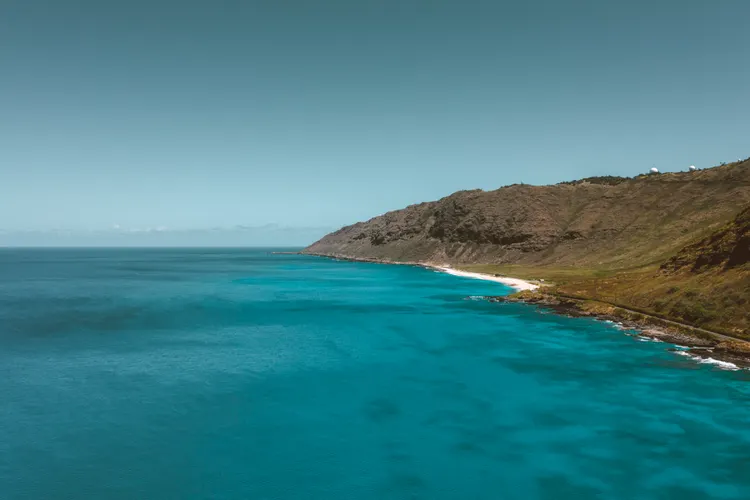
Photo by Josh Smith on Unsplash
02
Where to base yourself
Here is the one strong opinion in this guide, and it will save you a day of your vacation, pick one base and stay there. Do not hotel hop.
Oahu is small. Waikiki to the North Shore is about an hour's drive. Almost nothing on the island is more than 90 minutes away. That means you can day trip to every corner from a single hotel, and every night you spend packing, checking out, and checking in somewhere new is a night you traded a sunset for a suitcase. Unpack once.
For most first timers, Waikiki is the obvious base, walkable, packed with food and beaches, central to everything, and stocked with every price tier. It is touristy, and it is the right call anyway. Our full guide to where to stay on Oahu breaks down the neighborhoods, and you can compare Waikiki hotels on Expedia (also on Booking.com) to find a base in your budget.
If you want quiet over convenience, Ko Olina on the west side offers calm lagoons and resorts, and the North Shore trades nightlife for surf town soul. Both are lovely and both add drive time to everything else. For a five day first trip, base in or near Waikiki and save the split stay for a return visit.
The one exception worth considering is a deliberate two base split on a seven day plus trip, three or four nights in Waikiki for the south and east shore days, then two or three nights up on the North Shore (where you can compare North Shore stays on Expedia (also on Booking.com)) to wake up among the surf towns. That gives you a genuinely different second half of the trip and cuts the longest drives in half. But it is an optimization for repeat visitors or long stays, on a first five day trip, the simplicity of one unpacking is worth more than the saved drive time, every time.
03
Getting around Oahu
Be honest about the car question early, because it shapes the whole trip.
For this island spanning itinerary, rent a car. The North Shore, the windward beaches, and the southeast coast are not practical on transit, and a car turns a 90-minute bus odyssey into a 35-minute drive. Budget for hotel parking, which runs steep in Waikiki, and for the occasional traffic crawl on the H-1.
That said, you do not need the car every day. On the days you stay in town, Waikiki, Diamond Head, Pearl Harbor, TheBus and rideshare handle it cheaply, and parking in Waikiki is annoying enough that leaving the car parked is a relief. A useful hybrid, skip the car on your Waikiki and Honolulu days, and rent it only for the North Shore and windward days.
If you would rather not drive at all, a circle island day tour covers the North Shore loop without a steering wheel, and Waikiki based tours reach Pearl Harbor and the rest. It is a real option for car free trips, just a less flexible one. For the full breakdown, see our guide to the best things to do on Oahu.
Two specific traps to plan around. First, traffic, the H-1 through Honolulu jams hard at rush hour, so aim your long drives for midmorning or you will spend the savings sitting still. Second, parking, many of the best beaches and trailheads have tiny lots that fill by 8 or 9am, and break ins at remote lots are a real thing, leave nothing visible in the car. The single best habit on Oahu is simply going early. It beats the heat, the crowds, and the parking all at once, and it gives you the whole hot afternoon to be lazy on a beach.
04
Day 1: Waikiki and Diamond Head
Start gentle. You probably landed jet lagged, and Oahu's first day is best spent close to home.
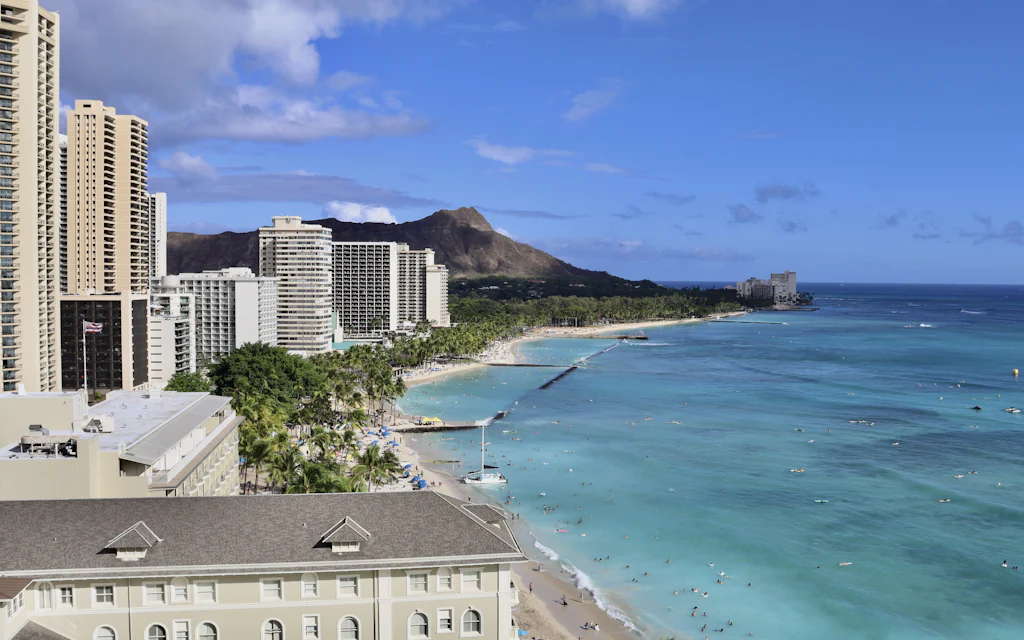
Begin with a sunrise or early morning hike up Diamond Head from Waikiki before the heat and the crowds, it is a short, paved, iconic climb with a postcard view of the coast, and it is the perfect "we are really here" opener. It is a protected Diamond Head State Monument now, so nonresidents reserve entry and parking online in advance. Beat the crowds with the early Diamond Head crater tour if you would rather have transport and a guide handle the logistics.
Spend the rest of the morning on Waikiki Beach itself, swim, rent a board, take the obligatory first dip. The water here is calm and forgiving, ideal for shaking off the flight.
In the afternoon, wander Waikiki on foot, find your first plate lunch, and case out the dinner options from our list of the best restaurants in Waikiki. If the jet lag hits, this is the right day to do nothing heroic, a nap and a beach chair are a perfectly good Day 1.
For a first evening ritual that never misses, walk down to the sand for the sunset, or get out on the water for it on a Waikiki sunset sail. Then grab an early dinner and an early night, you will want to be up at sunrise tomorrow. Keep day one easy and close to home. The island is just getting started, and the big days are coming. Use this one to find your feet, your favorite coffee spot, and the rhythm of island time.
05
Day 2: Pearl Harbor and Honolulu
Day two goes early and goes heavy, in the best way.
Get to Pearl Harbor as close to opening as you can manage. The USS Arizona Memorial timed tickets (free, through the National Park Service) go fast, the site is sobering and essential, and the crowds and heat both build through the day. A half day Pearl Harbor tour from Waikiki handles the transport and the timing, which removes the single most stressful logistic of any Oahu trip.
In the afternoon, swing back into Honolulu proper. There is a whole city beyond the beach, Iolani Palace, Chinatown, the markets and museums, laid out in our guide to things to do in Honolulu. It is a side of Oahu most visitors drive straight past, and it is worth a half day.
A practical heads up on Pearl Harbor, it is a working military base, so the security is real, no bags are allowed in, there is a storage area for a fee, and you will want a valid ID. Build in more time than you expect. Between the timed Arizona ticket, the museums, and the optional Battleship Missouri and submarine, a thorough visit can eat most of a morning and then some.
If the history of the morning leaves you wanting something lighter, this is a good afternoon to slow down with a shave ice and an early dinner. The emotional whiplash from Pearl Harbor to a beach sunset is real, and it is okay to want a gentle evening after a heavy morning. Day two earns an easy night.
06
Day 3: Kailua, Lanikai, and the windward side
Today you cross the mountains to the windward side, which a lot of people quietly decide is the prettiest part of the island.
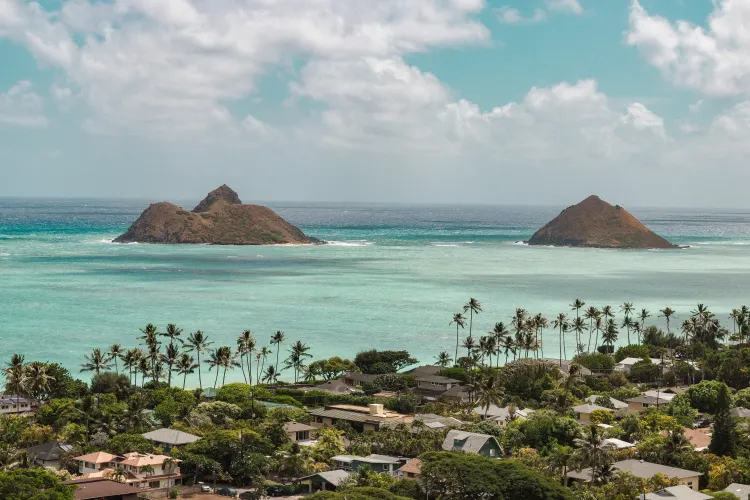
Drive over the Pali to Kailua and Lanikai, home to some of the best beaches on Oahu, powdery sand, bright blue water, and the postcard Mokulua islands offshore. Our Kailua and Lanikai guide covers parking (the tricky part) and the Lanikai Pillbox hike if you want a view to go with the beach.
For something genuinely unusual, time a trip to the Kaneohe Sandbar, a stretch of sand that rises out of the middle of Kaneohe Bay at low tide, reachable only by boat or kayak. It is one of the most surreal half days on the island and a perfect windward day centerpiece.
On the way back, the serene Byodo-In Temple sits ten minutes off the highway and makes a peaceful, photogenic stop. Keep the windward day loose. The joy of it is the slower pace and the scenery between the stops.
A logistics note for Kailua and Lanikai, there is no parking lot at Lanikai, just residential streets with strict rules and zero shade, so arrive early and walk in, or park at Kailua Beach Park and stroll over. Pack everything you need, Lanikai has no facilities, no lifeguard, and no shops on the beach. And resist the urge to over schedule the windward day. The temptation is to chain Kailua, Lanikai, the sandbar, the temple, and a pillbox hike into one frantic march. Pick two or three and let them breathe. This coast is at its best when you are not racing it.

Photo by Meg von Haartman on Unsplash
07
Day 4: The North Shore loop
Day four is the big road trip day, and it is a lot of people's favorite.
Point the car north and make the loop up to the North Shore, the wild, rural, surf soaked other side of Oahu. In winter the waves at Pipeline and Waimea Bay are monstrous and the surf contests are on. In summer the same beaches turn into calm snorkeling pools. Our North Shore guide maps the whole stretch, the beaches, the food trucks, and the timing.
The town of Haleiwa is the heart of it, garlic shrimp from a truck, the famous shave ice at Matsumoto's and Aoki's, and easy beach access on either side. Build the day slowly around it.
If you would rather not drive the loop and hunt for parking, the circle island day tour does the whole thing for you and even folds in Waimea Valley.
★4.8(4,263)
Oahu Circle Island Tour with Waimea Valley Waterfall
8 hours
Free cancellation
from
$154
Cap the North Shore day with an early dinner up there, or time it to a luau on the North Shore for a full Hawaiian evening before the drive back to town.
Two tips that make the North Shore day better. Start early, the drive is an hour, Haleiwa parking fills fast, and the afternoon trade winds can chop up the water you wanted to swim in. And do not try to drive the entire perimeter loop and stop everywhere. The road hugs the coast for miles and every pullout is tempting, so pick three or four anchors (a beach, a food truck, the shave ice, a turtle stop at Laniakea) and let the rest be scenery through the windshield. The North Shore is a place to soak in, not to speed run, and the drive back over the center of the island at sunset is its own quiet reward.
08
Day 5: An ocean day
You have seen the island. Day five is for getting in the water properly.
This is the day to pick your ocean adventure based on what excites you. Snorkelers should aim for the best snorkeling spots on Oahu, Hanauma Bay (reserve ahead) or a calm summer reef on the North Shore. The reliably sea turtle filled Turtle Canyon reef off Waikiki is an easy, near guaranteed win.
For something bigger, this is your chance to swim with dolphins on Oahu on a West Coast boat tour, or, if you are brave and a strong swimmer, go shark diving off the North Shore. Both are bucket list mornings and both run out of harbors you can reach from Waikiki.
If you would rather keep day five gentle, that is completely valid too, a slow snorkel at a calm reef, a long lunch, and an afternoon doing nothing is a wonderful way to use your last full day. The point is to end the trip in the water somehow, because the ocean is the thing you will miss most the second you are back in airport security.
Whatever you choose, an ocean day is the right note to end on. After a salty morning, the platonic last evening of an Oahu trip is a sunset on a quiet beach, and since we run picnics here, a styled beach picnic from $349 for two is one very good way to do it. And if a birthday lands during the trip, we do beach birthday parties too. That is the only pitch in this guide. The rest is just the island.
09
Days 6 and 7: how to use two more days
If you have a full week, do not cram two more sightseeing days in. Use the extra time to slow down, that is the whole point of seven days over five.
Spend a sixth day returning to whatever you loved most. The beach that stole the trip, the North Shore town you rushed, the snorkel spot you want to do again now that you know the ropes. A repeat day at a favorite spot is almost always better than a new spot you are too tired to enjoy.
Use the seventh day for the big ticket adventure you talked yourself out of, a shark dive, a whale watching trip if you are visiting in winter, a guided hike to a waterfall, or a serious day on the best hikes on Oahu. With the pressure of "seeing it all" already off, day seven is where the trip's best single memory often hides.
A seventh day is also the ideal time for the thing that needs a whole day and a clear head, a deeper hike, a trip out to a quieter corner of the island, or simply a second crack at whatever the weather ruined earlier in the week. Because you are not racing a checklist anymore, you can finally chase a forecast instead of fighting one, see a perfect conditions day coming and build around it.
And leave at least one morning completely empty. No alarm, no plan, just a slow coffee and the beach. On a seven day trip you have earned it, and an unscheduled morning on Oahu has a way of becoming the day you remember most.
10
Only have 3 days? The short version
Three days on Oahu is tight but very doable if you accept that you are choosing a greatest hits set, not the full album.
Here is the honest three day cut,
- Day 1: Diamond Head at sunrise, Waikiki Beach, and a sunset in town, the easy, iconic opener.
- Day 2: Pearl Harbor early, then Honolulu or a windward beach afternoon at Kailua and Lanikai.
- Day 3: The North Shore loop, with Haleiwa, a beach, and shave ice.
That is a genuinely great three days, and it hits the island's biggest notes. What you are giving up is the slow ocean day and the windward versus North Shore luxury of doing both unhurried. If your three days are actually a cruise stop or a layover, lean even harder on a circle island tour to maximize the ground you cover without losing time to logistics.
If your three days fall in winter, flip the priorities, the North Shore becomes a watch the giant waves spectacle rather than a swim day, and you push any snorkeling to the calmer south or east shore. In summer, the North Shore swimming is so good it is worth protecting a chunk of Day 3 for it. Let the season pick the emphasis.
The one thing not to do with three days is the thing everyone tries, cramming all of the above into each day. Pick the headline per day, do it well, and let the rest go. A rushed Oahu is a worse Oahu, and three unhurried days will leave you happier, and far more likely to come back, than three frantic ones that blur into a single exhausted memory.
11
What to skip without guilt
Part of a good itinerary is knowing what to leave out, so here is the honest list of things you can skip without missing the island.
You do not have to do every famous beach. Oahu has dozens of stunning ones, and trying to tick them all turns the trip into a parking lot tour. Pick a few and actually enjoy them. The same goes for hikes, one or two great ones beats five rushed ones.
You can skip the packed midday lines at the marquee spots by simply going early or late. Half the stress of an Oahu trip is self inflicted by arriving at Hanauma Bay or Diamond Head at 11am with everyone else.
And you can skip the pressure to "see another island" on a short trip. Oahu has more than enough to fill a week, and a rushed day trip to a neighbor island usually costs more in travel hassle than it returns. Save the island hop for a longer trip and give Oahu the time it deserves, the island rewards the unhurried far more than the ambitious.
FAQ
How many days do you need in Oahu?
Five days is the sweet spot for a first trip, enough to see every coast, hit the beaches and a hike, have an ocean day, and not feel rushed. Three days works as a greatest hits version, and seven lets you slow down and add adventures like a shark dive or a return to your favorite beach.
What is a good 5-day Oahu itinerary?
A reliable five day plan, Day 1 Waikiki and Diamond Head, Day 2 Pearl Harbor and Honolulu, Day 3 the windward side (Kailua, Lanikai, the Kaneohe Sandbar), Day 4 the North Shore loop and Haleiwa, and Day 5 an ocean day of snorkeling, dolphins, or a sandbar trip. Base in one place and day trip from there.
Do you need a car on Oahu?
For an island spanning itinerary, yes, the North Shore, windward beaches, and southeast coast are impractical on transit. But you can skip the car on Waikiki, Diamond Head, and Pearl Harbor days, using TheBus, rideshare, or tours, and rent only for the North Shore and windward days.
Where should you stay on Oahu for a first trip?
Waikiki is the best base for most first timers, central, walkable, full of food and beaches, and close to everything via short drives. Ko Olina (west side) and the North Shore are quieter but add drive time. The key rule is to pick one base and not hotel hop, since Oahu is small enough to day trip everywhere.
Is 3 days enough for Oahu?
Three days is enough for a greatest hits trip, Diamond Head and Waikiki, Pearl Harbor, and a North Shore day. You will have to choose between the windward side and a slow ocean day rather than doing both, but it still hits the island's biggest highlights. Just resist cramming everything into each day.
What is the best time of year for an Oahu trip?
Oahu is a year round destination. Summer brings calm, swimmable water on the North Shore and the warmest seas. Winter brings big surf up north (great for watching, not swimming) and whale watching season. Spring and fall are the quiet sweet spots with great weather and smaller crowds.
How do you plan an Oahu itinerary without overdoing it?
Pick one headline activity per day and do it well rather than racing between sights. Base in one place to avoid losing time to packing and checking in, go early to beat crowds and heat, and leave at least one morning unscheduled. Oahu rewards a calm plan far more than an ambitious one.
Disclosure: Some links on this page are affiliate links. If you book or buy through them we may earn a small commission, at no extra cost to you. As an Amazon Associate, we earn from qualifying purchases.