Visiting Pearl Harbor: 8 Things to Know Before You Go + Tips
25 min readYndira W. Tonin
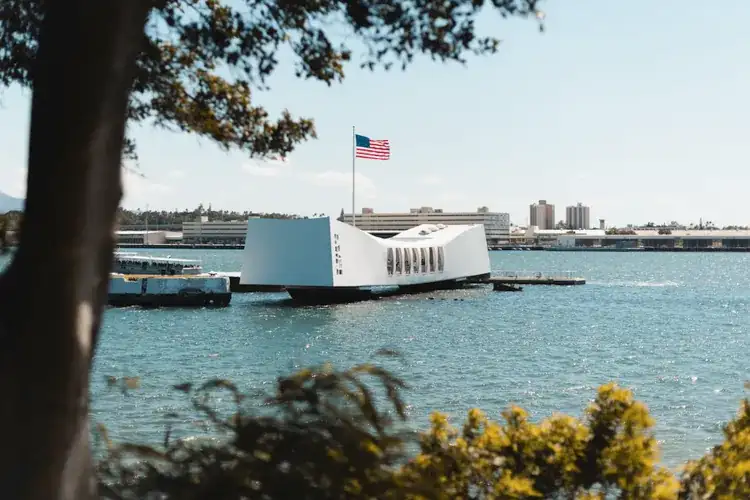
Visiting Pearl Harbor starts at the Pearl Harbor Visitor Center, the free, National Park Service run gateway to the USS Arizona Memorial, and getting in smoothly comes down to one thing, reserving your timed tickets before they are gone.
This guide is current as of 2026.
Pearl Harbor is the most visited site in Hawaii, and unlike a beach or a hike, it rewards a little planning. The memorial program is free, the tickets are limited, and the most common way to ruin the day is to show up without one.
Here is the short version. The visitor center itself is free and open to walk-ins, with museums and the waterfront grounds.
The boat trip out to the USS Arizona Memorial, the white structure built over the sunken battleship, needs a free timed ticket that books up fast. Reserve ahead.
This guide covers everything, what is actually there, how to get the tickets, how to get there from Waikiki, the history that brought you, and how to do it all respectfully. This is a memorial first and a tourist attraction second, and it is worth treating that way.
Getting to Pearl Harbor
Tap to open Google Maps with turn-by-turn directions.
Table of Contents
- What is at Pearl Harbor
- The USS Arizona Memorial
- How to visit Pearl Harbor, tickets first
- Why did Japan attack Pearl Harbor
- The Battleship Missouri, USS Bowfin, and the Aviation Museum
- Getting there from Waikiki
- Tips for a respectful visit
- Making a day of it
- FAQ, visiting Pearl Harbor
01
What is at Pearl Harbor
People say "Pearl Harbor" as if it is one thing. The Pearl Harbor National Memorial is actually the free heart of a campus of sites, three paid museums and two further memorials on Ford Island around it, and knowing the difference saves you confusion at the gate.
The Pearl Harbor Visitor Center is the free hub of the national memorial, run by the National Park Service at 1 Arizona Memorial Place, open 7am to 5pm daily except Thanksgiving, Christmas, and New Year's Day. It holds two excellent museums, the Pacific Historic Parks bookstore, the boat dock for the Arizona, and the grounds along the water. You can walk in without any ticket and spend hours here at no cost, which surprises visitors who assumed the whole site was gated.
It rewards the unhurried. The bookstore stocks the survivor memoirs and unit histories you will want on the flight home, and the shoreline benches face the memorial for anyone who needs a minute before the boat. Even a visitor with no boat ticket at all leaves with the story, the galleries alone tell it start to finish, at the pace each visitor needs.
From that hub, four main attractions branch out,
- The USS Arizona Memorial, the centerpiece of the Pearl Harbor National Memorial, reached by a short Navy boat ride over the sunken battleship. Free, but requires the timed ticket that sells out first.
- The Battleship Missouri, the "Mighty Mo," where Japan formally surrendered in 1945, moored on Battleship Row a shuttle ride away. Separate paid ticket, and the most visited of the paid sites.
- The USS Bowfin Submarine, a real WWII submarine you can walk through. Separate paid ticket.
- The Pearl Harbor Aviation Museum, hangars on Ford Island, still wearing damage from the attack. Separate paid ticket.
The Arizona Memorial and the visitor center museums are run by the Park Service and are free. The Missouri, Bowfin, and aviation museum are run by separate nonprofits and charge admission, often bundled into combo tickets.
So the mental model is simple, one free hub, one free boat ride to the Arizona (with a ticket), and three paid extras you can add as time and interest allow. Decide which of the extras you actually want before you go, because trying to do all four in one day is a lot.
One thing that surprises people, Pearl Harbor is still an active United States naval base, not just a museum. The memorials sit alongside a working harbor, which is part of why security is tight and why the grounds carry the weight they do. You are a guest on living military ground.
The visitor center itself rewards time even before any ticket, quiet waterfront walkways, two free museums (one on the road to war, one on the attack itself), and long views across the harbor to the memorials. Budget time to linger here, not just to catch the boat.
02
The USS Arizona Memorial
This is why most people come, and it earns the visit.
On December 7, 1941, the battleship USS Arizona was struck during the attack and sank with most of her crew still aboard. More than 1,100 sailors and Marines from that one ship were lost, and many remain entombed in the hull to this day. The gleaming white memorial spans the wreck without touching it, so you stand directly above the ship and the men still with her.
It is a quiet place, and the quiet is the point. You reach it on a short Navy operated boat from the visitor center, after watching a 23-minute documentary that sets the context. The whole program runs about an hour and fifteen minutes.
Standing on the memorial, you can still see the outline of the ship beneath the surface, and droplets of oil that rise from the wreck to this day, visitors call them the "black tears" of the Arizona. The ship has been leaking a little oil for more than eighty years, and somehow that detail lands harder than any statistic.
There is a marble wall inscribed with the names of every man lost on the Arizona. Survivors of the ship have, over the decades, chosen to have their ashes interred with their shipmates when they pass, a choice that says more about that day than anything a guide could tell you.
Treat this part of the visit as the solemn thing it is. Speak quietly, dress as you would for any place of remembrance, and give it your full attention. The beaches will still be there this afternoon.
What Pearl Harbor costs
USS Arizona MemorialBook first
Free program, $1 reservation fee per person on Recreation.gov. The one that sells out.
Battleship MissouriThe surrender deck
$39.99 adult, $19.99 child, 35 minute guided tour included. 8am to 4pm.
Aviation MuseumThe hangars
$29.99 adult, $17.99 child, free Ford Island shuttle every 15 minutes.
USS BowfinThe submarine
$25.99 adult, $14.99 child, under 4 not permitted aboard. 7am to 5pm.
Passport bundleThe full story
$99.99 adult, $49.99 child, all three paid sites over two days plus extras.
03
How to visit Pearl Harbor, tickets first
Here is the practical part that makes or breaks the trip, so read it carefully.
The USS Arizona Memorial program is free, and it now works one way only, reserved online in advance. You need a timed entry ticket to get on the boat, and they are limited.
Tickets are released only through Recreation.gov with a $1 nonrefundable fee per person, every visitor needs one, infants included, and a single reservation covers up to 10 people. Reservations are final, no changes and no refunds.
Both release windows open at 3pm Hawaii time, and that hour matters more than any other fact in this guide,
- Eight weeks ahead, 3pm HST. The main block for a given date, and the window rangers recommend most. Create the account early, save your payment information, log in before 3, refresh at the hour, and book immediately, whole days sell out within minutes in summer.
- The day before, 3pm HST. A smaller next day batch. Same drill, same speed, one visitor logged a 3:05pm confirmation and watched the calendar go gray behind them.
If both windows fail, the fallback is the Standby Callback queue, and it works differently than most visitors expect. There are no walk up tickets anymore.
You register at the Narrated Tour Desk tablets inside the visitor center with your name, phone number, and party size, and a text calls you back when another boat opens seats, no standing in line required. Early arrivals do best, the gates open at 7am and the first hour rewards the standby line, while peak weeks can stretch waits past two hours.
Boats also answer to the weather. The Navy cancels runs for high wind or rough water with no rebooking and no refund, afternoons carry most of that risk, so book the earliest slot your morning allows.
Rangers put it plainly on the forums, when trade winds run strong the afternoon schedule loses boats several times a week, and the morning schedule almost never does. Boats leave every 15 minutes from 8am to 3:30pm with a midday pause, 145 seats each, arrive an hour early and check in 10 minutes before your time or your seat goes to standby.
Narrated tours at the memorial
Chief's TourStarter
$9.99 adult, 15 stops, the essential narration.
Commander's TourMiddle
$11.99, 23 stops, adds Battleship Row depth.
Captain's UnlimitedComplete
$13.99, all 28 stops, the full grounds.
Admiral's VIPEverything
$34.99 with all four VR experiences included.
The multimedia audio tour is the one extra cost worth weighing at the memorial itself, and the way to learn what the plaques cannot say, narrated by Jamie Lee Curtis with survivor accounts, in tiers, the 15 stop Chief's Tour at $9.99, the 23 stop Commander's at $11.99, the 28 stop Captain's Unlimited at $13.99, up to the version bundling all four VR experiences at $34.99, sold at the tour desk from 7am with about 1,000 units a day, no online sales, and the bookstore run by the nonprofit Pacific Historic Parks puts every purchase toward preservation, the rare gift store that counts as a donation. The free museums and grounds ask nothing. The two galleries, Road to War and Attack, carry the timeline through original artifacts and exhibits, the Remembrance Circle names the dead, and the shoreline path looks straight across the water to the memorial itself.
The first hour sets the tone. Through security by opening if you can, tickets on the phone, the shoreline first while the light is low, then the galleries, and the boat when your window calls.
The rhythm of the visit runs security first, galleries while you wait, the 23 minute documentary, then the Navy boat out and back, and the whole Arizona experience takes about 2 hours from the gate. On the memorial itself you stand over the ship, read the marble wall of names, and watch the harbor go about its business around you, and nobody hurries anyone.
Getting the USS Arizona reservation
- 18 weeks out
3pm HST release
The main block. Account ready, payment saved, refresh at the hour, book instantly
- 2Day before
3pm HST second wave
The realistic window for most trips, gone within minutes in summer
- 3No ticket
Standby Callback queue
Register at the tour desk tablets from 7am, a text calls you to a boat
- 4Any ticket
Arrive an hour early
Check in 10 minutes before your window or the seat goes to standby
The single biggest mistake visitors make is showing up ticketless and assuming they can just buy one at the door. On a busy day, you cannot. The boat slots are gone, and you are left touring the (still worthwhile) free museums instead of standing over the Arizona.
A few extra ticket notes worth knowing. The processing fee is well under a dollar per ticket, so anyone charging you real money for an "Arizona ticket" is reselling something that is essentially free, book direct on Recreation.gov and skip the markup.
Each person needs their own ticket, and you can book the whole group in one transaction. Children are free but still need a reserved ticket.
And if your plans are firm, grab the eight week tickets the day they release. Waiting even a few days can mean settling for a worse slot, or none at all.
Book the Arizona ticket first. Build the rest of the day around the time slot you get, not the other way around. A morning slot is ideal, cooler, and ahead of the midday crowds.
04
Why did Japan attack Pearl Harbor
It is the question nearly every visitor arrives with, asked quietly on the boat and answered across two museum galleries, so here is a clear, honest answer without the textbook fog, the kind of information the memorial itself presents with far more depth in its galleries.
By 1941, Japan and the United States were on a collision course in the Pacific. Japan was expanding aggressively across Asia, and in response the US had cut off oil and steel exports that Japan's military depended on. Tokyo saw the American Pacific Fleet, based at Pearl Harbor, as the one force capable of stopping its plans.
The attack on December 7, 1941 was a gamble, a new kind of carrier strike meant to cripple that fleet in a single morning and buy Japan time to seize what it wanted before America could recover, and the aircraft used that morning launched in secrecy from six carriers. Just before 8am, waves of Japanese aircraft hit the harbor and the airfields around it.
The attack took 75 minutes across two waves, 353 aircraft launched from carriers north of the islands, and the toll was staggering. In all, 2,403 Americans were killed, including 68 civilians, with 1,177 lost on the Arizona alone, and every one of the eight battleships in the harbor that morning was sunk or damaged.
The morning, in numbers
Two details complete the picture. The American aircraft carriers were at sea that morning, which changed the entire war that followed, and the salvage effort that came afterward refloated and returned all but the Arizona and the Utah to service, several of the same battleships that burned at these moorings went on to fight across the Pacific.
The harbor you are looking at is both the wound and the recovery. Battleships were sunk or crippled, and hundreds of aircraft were destroyed on the ground.
But the gamble failed in the way that mattered most. The American aircraft carriers were out at sea and untouched, the fuel storage and repair facilities survived, and rather than breaking American resolve, the attack united the country overnight. The next day, the United States declared war, and the Pacific War was on.
It is worth saying plainly that the men at Pearl Harbor that morning had no warning. Most were asleep, at breakfast, or readying for a routine Sunday when the first bombs fell. That is part of what the memorial holds, not just a strategic event, but ordinary people caught in an extraordinary one.
The history is still debated in its finer details, but the broad shape is settled, and you do not need a degree in it to feel the place. Reading even this much before you go makes the visit land deeper than arriving cold.
Standing at the memorial with that context makes the place hit differently. It is not abstract history out here. It is the exact water where it happened, and the ship is still down there.
05
The Battleship Missouri, USS Bowfin, and the Aviation Museum
If the Arizona is the beginning of America's war, the others complete the story, and they are worth your time if you have it.
The Battleship Missouri is the bookend. On her deck in Tokyo Bay, in September 1945, Japan formally surrendered and the war ended, and touring the Mighty Mo puts you on the exact spot, beginning and end of the war a few hundred yards apart in the same harbor.
Admission runs $39.99 for adults and $19.99 for children 4 to 12 with a 35 minute guided tour included at no additional cost, active military and Hawaii residents get discounted rates at the ticket window, doors open 8am to 4pm with last admission at 3pm, and specialty tours like the Chief Engineer's run $32 for ages 10 and up. Budget about 2 hours, it earns them.
The USS Bowfin at the Pacific Fleet Submarine Museum sits right by the visitor center, a real WWII submarine you walk through end to end, hatches, bunks, and torpedoes at arm's reach. Admission is $25.99 for adults, $14.99 for children 4 to 12, with under 4 not permitted on the submarine itself, open 7am to 5pm with last entry at 4:15pm and a self guided audio tour included. Plan about 90 minutes, and visitors consistently call it the most tactile site for kids old enough to board.
The Pearl Harbor Aviation Museum is across on Ford Island, in genuine WWII hangars that still carry bullet damage from the attack, with restored aircraft and the control tower that stood on the morning of December 7. Admission is $29.99 for adults and $17.99 for children, open 9am to 5pm, and the free shuttle from the visitor center runs about every 15 minutes with the harbor crossing part of the experience.
Ford Island, beyond the battleship
Ford Island also holds the two memorials most guides skip. The USS Oklahoma Memorial stands beside the Missouri, black granite and 429 white marble standards, one for each sailor and Marine lost when the ship capsized in the first minutes of the attack, and it asks only a few quiet minutes on your way to the battleship.
The USS Utah Memorial on the island's northwest shore marks the target ship that still holds 58 of her crew, located inside an active base area, which is why most visitors see her from the water rather than the shore. Both memorials cost nothing, and both reward the visitor who reads the names slowly instead of photographing them quickly.
A practical note, you do not have to do all of them. Most visitors pair the free Arizona program with one paid site, usually the Missouri, and call it a full, meaningful day. When visitors rank the paid sites, the Missouri leads by reputation and reviews, the Aviation Museum pairs with it naturally on Ford Island, and the Bowfin wins with kids, the standard short day is the Arizona plus the Missouri.
If you want everything, the Passport to Pearl Harbor runs $99.99 for adults and $49.99 for children, covering all three paid museums plus the multimedia tour and a VR experience across two consecutive days, which beats the roughly $96 of separate tickets the moment you add extras. The Arizona boat reservation stays separate either way, it is never sold in any bundle, and four sites in one day is genuinely a marathon. Pick your priorities.
06
Getting there from Waikiki
Pearl Harbor sits about a half hour west of Waikiki, and getting there is easy, with one rule that trips up almost everyone.
No bags are allowed at the visitor center. No purses, backpacks, diaper bags, or camera cases, only wallets and clutches smaller than about 5.5 inches and clear plastic bags pass security. The paid storage booth by the entrance charges $6 to $7 a bag and $10 for oversized, but the simplest move by far is to leave everything in the car or at the hotel and walk in with phone, wallet, and ID in your pockets.
The bag rule and what passes
Strollers are welcome on the grounds but stop at the boat, they park near the theater while you ride, and the entire site is genuinely wheelchair accessible, the visitor center, the theaters, the Navy boats, and the memorial itself, with wheelchairs available to borrow at the front desk.
Getting there in 2026
On your ownOur pick
cheapest to fastest
- TheBus Route 42, $3, about an hour
- Drive, 30 minutes off peak, $7 to park
- Uber $26 to $41 each way
- Skyline serves the base side, 15 minute walk
Handled for you
seats and tickets
- Waikiki shuttles about $25 round trip
- Guided tours bundle transport and timing
- Tours hold Arizona tickets you could not get
- Hotel pickup beats the parking scramble
Your ways to get there,
- Drive. The visitor center lot costs $7 a day as of 2026, card only through the QR kiosks, and it fills by mid morning, so the freeway run from Waikiki wants an early start. Ten miles, 25 to 30 minutes without traffic, over an hour with it.
- TheBus. Route 42 runs direct from Waikiki for $3, about an hour each way, and a $2 HOLO card caps any day at $7.50. The old Route 20 was retired in late 2025, so ignore any guide still naming it.
- The Skyline rail reaches Pearl Harbor station, but it serves the naval base side, a 15 to 20 minute walk from the memorial, useful mainly if you are already riding from the airport side.
- Rideshare. Uber runs $26 to $41 from Waikiki, Lyft a little more, and round trip shuttles sell seats for about $25 a person.
- A guided tour. A Pearl Harbor tour from Waikiki handles the tickets, the transport, and the timing in one booking, which removes the two most stressful parts, the ticket scramble and the no bag logistics.
For most people the choice is simple, drive if you have a car and snagged a ticket, or book a tour if you want the whole thing handled. A guided trip also usually folds in downtown Honolulu landmarks, making a fuller half day. If you are basing in Waikiki, our things to do in Waikiki guide slots this in among the rest of your days.
07
Tips for a respectful visit
The conduct that honors the place
Dress plainlySimple
Shirts and footwear required, swimwear out of place at a war grave.
Quiet on the boatThe ask
Voices low on the ride and the memorial, phones silenced.
Photos, gentlyAllowed
Cameras welcome, the mood asked to hold. Read names slowly.
No swimming, everAbsolute
An active Navy harbor with wartime wreckage below.
Oil still rises from the Arizona, a few drops at a time, and survivors called it the ship's black tears. Interment ceremonies still return the ashes of Arizona crew members to the ship their shipmates never left, which is the plainest way to say what this place is.
Dress simply, shirts and footwear required and swimwear out of place, keep voices low on the boat and the memorial, and let photography stay respectful, the memorial allows cameras and asks only that the mood hold. Swimming anywhere in the harbor is prohibited, it is an active Navy harbor with wartime wreckage below.
What to bring is a short list made for the bag rule. Sunscreen applied before security, a hat, sunglasses, a clear water bottle, and the phone that holds your tickets, and use the restrooms at the visitor center because the boat and memorial have none.
Every December 7 the memorial holds its remembrance ceremony, and the days around the anniversary run fuller than any other week of the year, worth knowing whether you want to witness it or plan around it.
A note for families first. Children are welcome everywhere, the galleries and grounds hold attention better than most museums, veterans and those who served are honored openly and often thanked by strangers, and the Bowfin ranks as the most hands on of the sites for kids old enough to board. The boat and memorial ask for quiet, which is a conversation worth having with younger kids before you go rather than during.
A few things make the visit smoother and keep it in the right spirit.
- Arrive early. Morning is cooler, calmer, and ahead of the crowds and the tour buses. It also gives you margin if the lines are long.
- Give it half a day, minimum. Between the museums, the documentary, the boat, and security, the Arizona program alone runs well over an hour. Do not schedule a tight afternoon on top of it.
- Dress and act for a memorial. This is a cemetery, in effect. Quiet voices, no loud groups, modest clothing, and full attention on the memorial itself.
- Photos are allowed, but read the room. Pictures are fine across the site, including the memorial, but it is not the place for grinning selfies or posed shoots. Be the visitor you would want standing next to the names on that wall.
- Talk to a ranger or a survivor if you can. The Park Service rangers are superb, and on some days, veterans and survivors are present. A few minutes with them is worth more than any plaque.
Two more small things. Bring water and a little sun protection, much of the site is open and exposed, and the Hawaii sun does not care that you are moved. And build in a buffer, security and ticket lines can run long on busy mornings, and you do not want to be sprinting for your boat slot.
If you are visiting with children, the Park Service does a good job keeping it age appropriate, but it is worth a quiet word beforehand about where they are and why people are solemn. Kids generally rise to it when they understand what the place is.
None of this is heavy lifting. It is mostly just showing up early, traveling light, and remembering where you are standing. The place does the rest.
08
Making a day of it
A Pearl Harbor day that lands right
- 17:00am
Gates open, walk in early
Best standby odds, coolest hours, calmest water for the boats
- 28 to 10am
Galleries, film, Arizona boat
The heart of the visit, about 2 hours gate to gate
- 310:30am
Ford Island shuttle
Missouri and the Oklahoma Memorial, then the Aviation Museum if energy holds
- 42:00pm
Bowfin or the road home
The submarine takes 90 minutes, downtown Honolulu pairs on the drive back
Because Pearl Harbor sits on the way out of Honolulu, it pairs naturally with a few other stops if you want a fuller day.
Many visitors combine it with downtown Honolulu, Iolani Palace, the King Kamehameha statue, the historic district, which sits on the travel route back toward Waikiki, and guides recommend the pairing because the areas share one story. A guided tour often bundles these in, and even on your own it is an easy add.
The site works year round, mornings run cooler and calmer than afternoons in every season, and the only date that changes the experience is December 7 itself. For where to base yourself, most people stay in Waikiki and treat Pearl Harbor as a half day trip. The Waikiki hotels (also on Booking.com) put you 30 minutes away with everything else on Oahu within reach, which is why it is the default home base for a first Oahu trip.
If history is your main reason for the trip, rangers and repeat visitors alike recommend going on your first morning, before the beach days blur together. It is a heavy, important visit, and it tends to land better when you are fresh than when it is tacked onto the end of a sunburned week.
The ten minute Pearl Harbor checklist
- 11
Confirm and screenshot the reservation
Recreation.gov tickets on the phone, battery charged
- 22
Decide the bag plan
Pockets only beats the storage booth every time
- 33
Set the early alarm
An hour of margin, morning boats rarely cancel
- 44
Plan the afternoon light
Downtown Honolulu pairs on the drive back, nothing tightly scheduled
The night before, run the ten minute checklist. Confirm the Recreation.gov reservation on your phone, screenshot it, decide the bag plan, check the morning traffic, and set the alarm with an hour of margin, the site rewards the organized the way the ticket release does.
A scheduling hack worth knowing, because Pearl Harbor sits between the airport and Waikiki, some travelers visit on their very first morning or last day, fitting it around a flight when a beach day would be wasted anyway. It is a heavy visit, so a fresh morning suits it better than a tired afternoon.
Whatever you pair it with, resist the urge to cram. Pearl Harbor is not a box to tick between snorkel stops. It is the kind of place people remember for the rest of their lives, and it deserves to anchor its day rather than ride along as an afterthought.
However you build it, give Pearl Harbor the room it deserves. For the rest of the island, our things to do on Oahu guide and the best time to visit Hawaii guide cover where to go next and when.
FAQ: visiting Pearl Harbor
Is Pearl Harbor free to visit?
The heart of it, yes. The Pearl Harbor National Memorial visitor center, both museums, the grounds, and the USS Arizona Memorial program are free, with only the $1 reservation fee and $7 parking as real costs. The Battleship Missouri at $39.99, the Aviation Museum at $29.99, and the USS Bowfin at $25.99 are separate paid sites, bundled in the $99.99 two day Passport if you want all three.
How do you get tickets to the USS Arizona Memorial?
On Recreation.gov, at 3pm Hawaii time, eight weeks out or the day before. Both windows sell out in minutes during busy seasons, so sit ready on the page at the hour. There are no walk up tickets anymore, the on site fallback is the free Standby Callback queue at the tour desk, which texts you when a boat has seats.
How much time do you need at Pearl Harbor?
A half day minimum, a full day for everything. The Arizona experience runs about 2 hours gate to gate, each paid site adds 90 minutes to 2 hours, and the park service's own math puts all four sites at a 6 to 8 hour day. The two day Passport exists precisely because one day of all four leaves most people numb by mid afternoon, so either pick priorities or split the visit, and do not schedule a tight evening afterward.
Can you bring a bag to Pearl Harbor?
No, and the rule is strict. Nothing bigger than a small wallet or a clear plastic bag passes security, no purses, backpacks, camera bags, or diaper bags. Leave everything in the car or hotel and walk in with pockets only, or pay the storage booth $6 to $7 a bag, $10 oversized, by the entrance.
How do you get to Pearl Harbor from Waikiki?
Ten miles west, about 30 minutes without traffic. Drive and pay $7 to park, ride TheBus Route 42 direct for $3 in about an hour, take an Uber for $26 to $41, catch a $25 round trip shuttle from Waikiki, or book a guided tour that folds tickets and transport into one price. Morning rush stretches the drive past an hour, which is one more argument for the early boat, and remember the no bag rule whichever way you go.
Why did Japan attack Pearl Harbor?
To cripple the US Pacific Fleet in one surprise strike. After the US cut off oil and steel exports in response to Japanese expansion across Asia, Tokyo gambled on removing the one force that could stop it. The December 7, 1941 attack killed 2,403 Americans, missed the US aircraft carriers entirely, and united the country overnight, bringing America into World War II.
What happens if the boats are cancelled?
The visit still stands. The Navy suspends boat runs for wind or rough water, most often in the afternoon, and the $1 fee is not refunded. The galleries, the film, the grounds, and the shoreline view of the memorial remain open, and many visitors say the museums carry the story even when the boat does not run.
Is Pearl Harbor still an active military base?
Yes, fully. The memorial sits beside Joint Base Pearl Harbor Hickam, Navy vessels still work the harbor, and that is why security runs airport style and why the USS Utah Memorial sits behind base access. The active harbor is part of what you are seeing, the fleet never left.
Is there food at Pearl Harbor?
Yes, but keep expectations low. The visitor center has a casual snack bar with sandwiches, coffee, and cold drinks, enough to get a family through a few hours on site, with fuller restaurants a short drive away in the Pearlridge and Aiea area. Remember that bags and outside food are restricted, so eat before you clear security or after you finish, and the Aviation Museum runs its own cafe on Ford Island if the day stretches long.
We run beach picnics on Oahu, and this is the one day of an Oahu trip we plan around rather than through. Reserve the boat, leave the bag, and give the morning its full weight, the beach will still be there in the afternoon.
Read this next: Things to do in Honolulu, the full city list.
Cover photo, Tim Mossholder on Unsplash.
Disclosure: Some links on this page are affiliate links. If you book or buy through them we may earn a small commission, at no extra cost to you. As an Amazon Associate, we earn from qualifying purchases.