Things to Do in Oahu: 20 Best, Honestly Ranked (2026)
19 min readYndira W. Tonin
The best things to do in Oahu sort into a handful of buckets, some of the best beaches in the country, the snorkeling at Hanauma Bay, a sunrise or two off Diamond Head and the windward pillboxes, the North Shore in winter, Pearl Harbor for the history, and a food scene that punches far above an island this size. Do one thing from each bucket and you have had a great trip. Try to do all of them in five days and you have had a stressful one.
The information here was confirmed for 2026.
Here is the honest version most listicles will not give you, Oahu is small, but the traffic is real and the island is busier than the brochures admit. The trick is not cramming in 40 attractions, it is picking the right handful, grouping them by region so you are not crossing the island twice a day, and leaving room to actually sit on a beach. This guide is organized the way you should travel it. If you want the activities ranked and priced rather than mapped by region, our best activities in Oahu guide sorts them by type.
Table of Contents
- How to plan your Oahu days
- A sample week on Oahu
- Getting around Oahu
- The beaches worth your time
- Snorkeling and the water
- The best hikes
- The North Shore
- History and culture
- Where the food is
- Free and cheap things to do
- Sunset, the free show
- What to skip (or do differently)
- Where to base yourself
- FAQ, visiting Oahu
01
How to plan your Oahu days
Two practical questions decide your whole trip.
How many days do you need? Five to seven is the sweet spot. Three days is enough to see Waikiki, Diamond Head, and Pearl Harbor and not much else. A week lets you add the North Shore, the windward coast, and a slow day or two, which is the point of Hawaii. More than ten days on Oahu alone and most people start island hopping.
Do you need a car? If you are staying in Waikiki and doing day tours, you can get by with rideshare and the occasional rental day, parking in Waikiki is expensive and a car sits unused. But to do the North Shore and the windward side on your own schedule, rent one for those days. The island is a loop. Think of it in three regions, Honolulu and Waikiki to the south, the windward and east side (Kailua, Kaneohe), and the North Shore, and try to spend a day in each rather than zig zagging.
A circle island day works well if you would rather not drive, a full day circle island tour hits the North Shore, the windward coast, and the lookouts in one go with someone else at the wheel.
★4.8(4,263)
Oahu Circle Island Tour with Waimea Valley Waterfall
8 hours
Free cancellation
from
$154
One more planning note that saves money and sanity, the big ticket attractions, Hanauma Bay, Diamond Head, Pearl Harbor, all now run on timed reservations that sell out days ahead, so book those the moment you know your dates and slot everything else around them. The beaches, the food, and the sunsets need no reservation at all, which is part of why Oahu rewards a loose plan over a packed one.
02
A sample week on Oahu
If you want a shape to start from, here is how a relaxed week tends to go. Adjust to your interests and, in winter, to the surf forecast, when the North Shore is firing, you reshuffle to be there.
- Day 1, Waikiki and settle in. Beach, an easy surf lesson, a walk to Diamond Head's base, dinner in town, and sunset from the sand. No driving on arrival day.
- Day 2, Diamond Head and the southeast coast. Hike Diamond Head at opening, then work down the coast to Hanauma Bay (reserved ahead) or Makapu'u, finishing at a windward beach.
- Day 3, Pearl Harbor and Honolulu. A half day at Pearl Harbor, then Iolani Palace or the Bishop Museum, and dinner in Chinatown.
- Day 4, The North Shore. A full loop, Haleiwa town, Waimea Bay or Waimea Valley, the food trucks, and turtles at Laniakea, home by sunset.
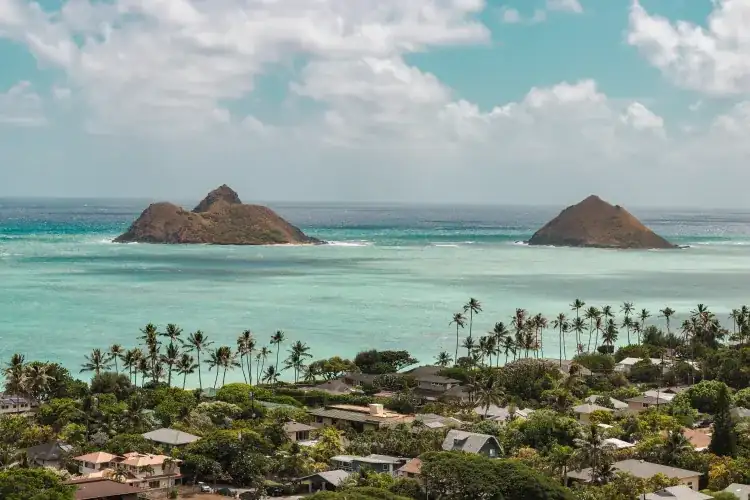
- Day 5, Kailua and slow down. Kayak to the Mokulua islands or just sit on Lanikai. A deliberately unscheduled day.
- Days 6 to 7, Repeat your favorite. The mark of a good Oahu trip is going back to the beach you liked best instead of chasing a new one.
Compress this to three or four days by cutting the slow ones, but the slow days are the ones people remember, so cut them last.
03
Getting around Oahu
Transport is the one logistic that can make or break the trip, so decide it early.
- Rental car. The most freedom, and essentially required for the North Shore and windward side on your own schedule. The catch is Waikiki parking, hotels charge $35 to $60 a night and street spots are scarce, so a car you keep all week spends half the trip parked and costing money. The move, rent it only for the days you leave town.
- Rideshare and taxis. Uber and Lyft are plentiful in town and to the airport. For a Waikiki based trip with a couple of day tours, they often beat a full week rental once you factor in parking.
- TheBus. Oahu's public system is genuinely good and cheap, it circles the island and reaches the North Shore, Hanauma Bay, and Pearl Harbor. Slow, but a real option for budget travelers with time to spare.
- Biki bikes. Honolulu's bike share is perfect for short hops around Waikiki, Diamond Head, and Kaka'ako, cheaper and faster than a car for in town distances.
- Guided tours. For the far corners without a car, a day tour (the circle island loop, Pearl Harbor, the North Shore) hands off the driving entirely.
The honest summary, base in Waikiki, lean on rideshare and the bus in town, and rent a car only for the two or three days you explore the rest of the island. You will spend less and stress less than committing to a car for the whole week.
04
The beaches worth your time
Oahu has more good beaches than you can use in a week. The ones actually worth planning around,
- Lanikai (windward). Powder sand, bright blue water, two little islands offshore. The most beautiful beach on the island and it knows it, parking is residential and tight, so go early.
- Kailua Beach (windward). Lanikai's bigger, easier neighbor, 2.5 miles of sand, a real parking lot, calm water, and kayak rentals. Best all rounder for a beach day with a group, or the base for an Oahu bachelorette party or birthday.
- Waikiki (south). Not the prettiest, but you cannot beat the convenience, the gentle waves for learning to surf, and Diamond Head framing the sunset. Underrated for first timers.
- Waimanalo (windward). Three miles of soft, uncrowded sand backed by the Ko'olau range. Quieter than Kailua, just as pretty.
- Ko Olina lagoons (west). Four calm, man made lagoons facing the sunset, the best swimming for small kids and the most reliable evening light on the island.
- Ala Moana Beach Park (Honolulu). A long, calm, reef protected beach right by the city, with flat water, big shade lawns, and the Magic Island peninsula for sunset. The most underrated beach in town and a local favorite for an after work swim.
- Sandy Beach and Makapu'u (southeast). Dramatic bodyboarding beaches with a serious shore break, gorgeous to watch and photograph, but not for weak swimmers. The waves here injure people every year.
Two practical notes for any Oahu beach. First, pack reef safe sunscreen, the chemical kind is banned in Hawaii to protect the coral, and they will not sell it here anyway. Second, check whether your beach has lifeguards and read the surf before you swim, the windward and north shores can go from calm to dangerous in a single afternoon, and there is no shame in choosing a protected spot.
For the full breakdown of where to be when the light goes gold, see our Oahu sunset guide.
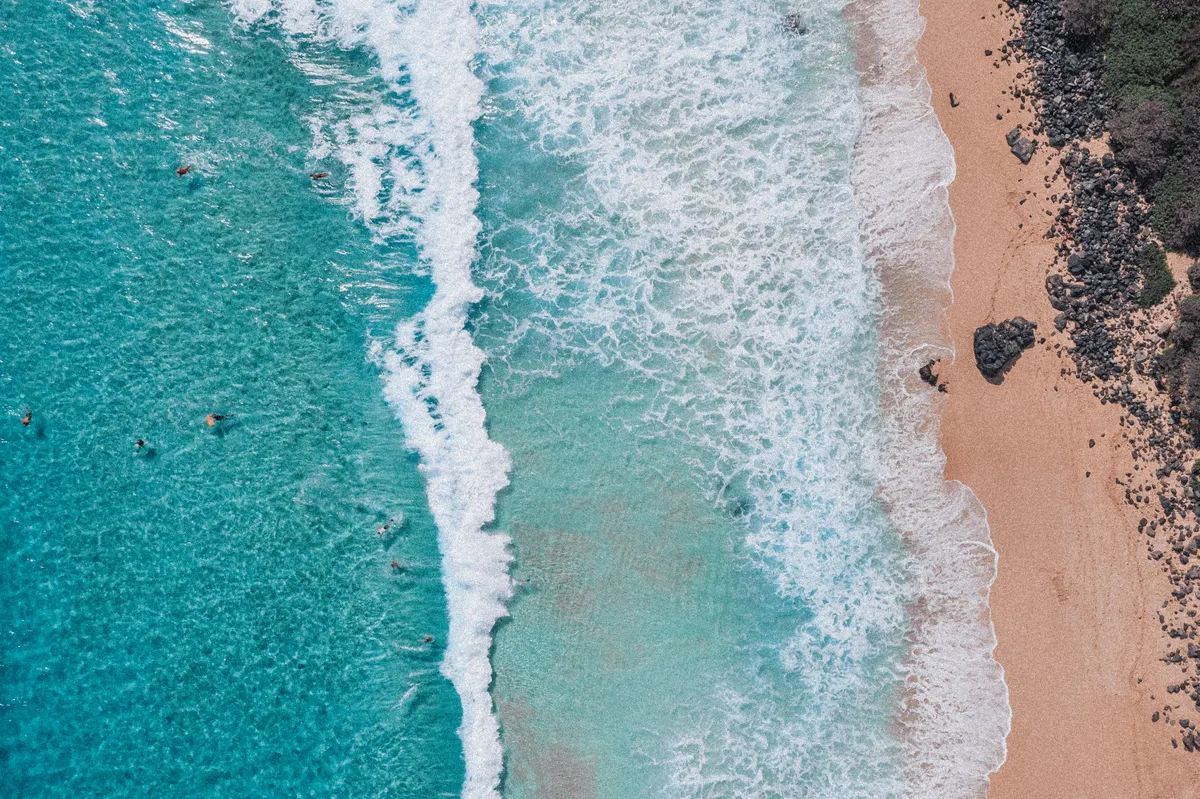
Photo by Jess Loiterton via Pexels
05
Snorkeling and the water
Hanauma Bay is the headline. A protected marine reserve in a volcanic cone, shallow and packed with fish, the best easy snorkeling on Oahu. Two catches, it is closed Mondays and Tuesdays, and it now requires a timed reservation that sells out fast, so book the moment the window opens. Get there early regardless.
Beyond Hanauma, Sharks Cove on the North Shore (summer only, it is a washing machine in winter) and the calm summer water off the windward beaches are excellent. If you would rather have the gear, the boat, and the best spots handled for you, a guided snorkeling tour takes the logistics off your plate.
Want to learn to surf? Waikiki's gentle, rolling break is the most forgiving classroom in Hawaii, a beginner surf lesson there is one of the best value mornings on the island, our guide to surfing on Oahu covers where to learn, the seasons, and the etiquette. And from roughly October through March, humpback whales are offshore. A whale watching tour is the rare seasonal add that genuinely earns it.
A few rules that keep the water good for everyone. Never touch or chase the green sea turtles (honu), they are protected by law, and getting close enough for the photo is close enough to get fined. Give the reef the same respect, stand on sand, not coral. And if you are not a confident ocean swimmer, stay in the protected spots like Hanauma and the Ko Olina lagoons rather than open coastline. Fins and masks rent cheaply all over Waikiki, so there is no need to fly with your own.

Photo by Adrian Rios via Pexels
06
The best hikes
Oahu's trails run from paved strolls to genuine leg burners, and the rule for all of them is the same, start early. By midmorning the popular ones are crowded, hot, and short on parking. Bring more water than you think you need.
- Diamond Head. The iconic one, a paved then stepped climb up a volcanic crater to a view over Waikiki and the Pacific. It is busy and exposed, so go at opening and bring water. Out of state visitors now need a reservation to park and hike, so book ahead. If you would rather have a guide and transport, a guided Diamond Head tour sorts both.
- Lanikai Pillbox (Kaiwa Ridge). A short, steep climb on the windward side to old WWII bunkers with the best sunrise view on Oahu. Do it early, for the light and to beat the heat.
- Manoa Falls. A green, muddy rainforest walk to a 150-foot waterfall, 20 minutes from Waikiki. Easy, shaded, and a different side of the island. Wear shoes you do not mind ruining.
- Makapu'u Lighthouse. A paved, family friendly climb on the southeast point with whale watching turnouts in winter. About two miles round trip, no shade.
- Koko Crater Railway Trail. The island's natural StairMaster, over 1,000 old railroad ties straight up a ridge for a panoramic southeast coast view. Brutal, beloved, and best at dawn before the sun turns it into an oven.
- Maunawili Falls. A muddy windward side rainforest walk to a swimmable waterfall pool, green and green, the opposite of the exposed crater climbs. The easy trailhead has been closed since 2021. See our current Maunawili Falls guide for the back route access.
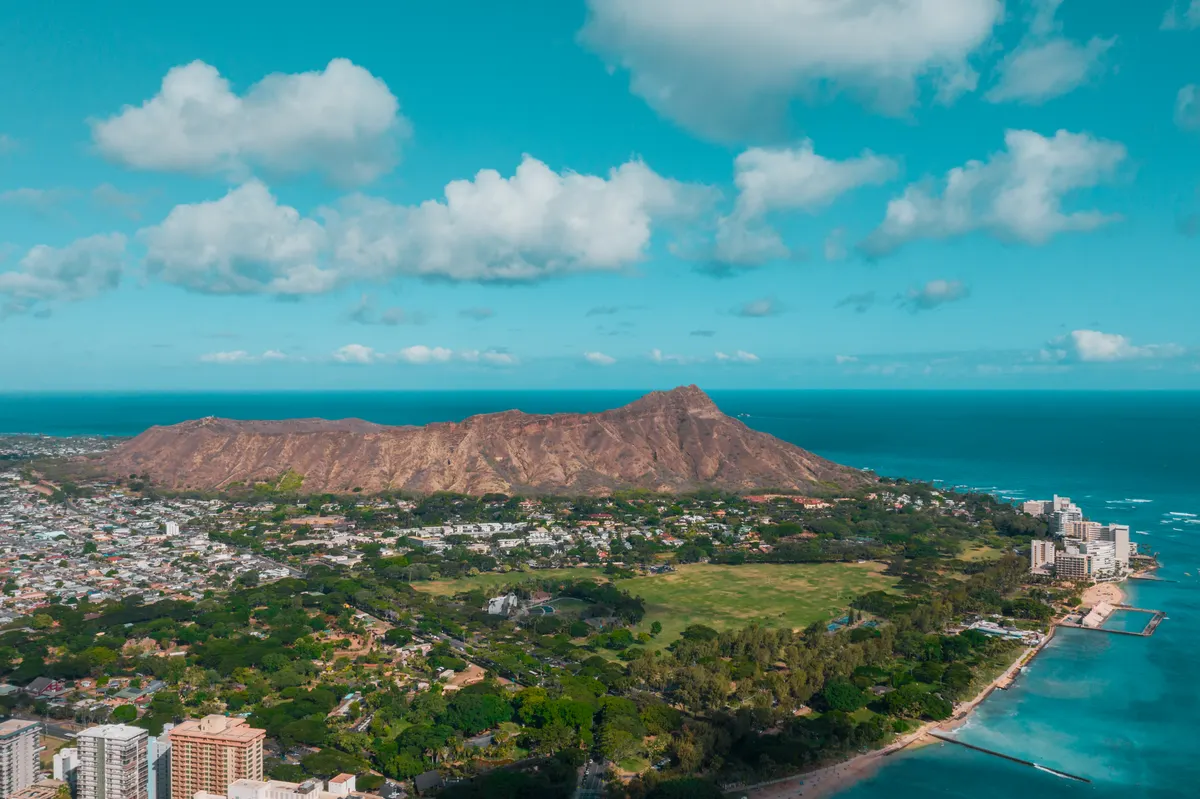
Photo by Jess Loiterton via Pexels
07
The North Shore
The North Shore is a different island, a 60-to-75-minute drive from Waikiki and worth a full day. In winter (roughly November to February) the waves are enormous and this is the surf capital of the planet. The Triple Crown competitions run here, and watching pros on a 30-foot face at Waimea Bay or the Banzai Pipeline is hard to look away from. In summer the same water goes glassy and swimmable.
Either season, the rhythm is the same, beach in the morning, Haleiwa town for lunch (the shrimp trucks and Matsumoto's shave ice are the classics), and the beaches and turtle spotting at Laniakea in the afternoon. One honest safety note, the winter surf here is genuinely dangerous, it drowns strong swimmers every year. Admire it from the sand and never turn your back on the ocean.
A few more stops worth the drive, Waimea Valley, where a paved path winds through a botanical garden to a swimmable waterfall. Turtle Bay, the resort and string of beaches at the island's northern tip. And, if you want the big luau and show evening, the Polynesian Cultural Center in Laie. Anchor the day around lunch in Haleiwa, the garlic shrimp trucks and shave ice are the reason the town stays on every itinerary, surf or no surf.
08
History and culture
- Pearl Harbor. The reason many people come. The USS Arizona Memorial is free but timed ticketed and books out, reserve through the National Park Service well ahead, and budget a half day for the full site (the Arizona, the Missouri, the museums). If the free slots are gone by the time you book, a guided Pearl Harbor tour from Waikiki bundles the memorial with transport and often secures entry when the timed tickets sell out.
- Iolani Palace. The only royal palace on US soil, and a genuinely moving stop on Hawaii's monarchy and its overthrow. Skip the throwaway gift shop version and take the docent led tour.
- Bishop Museum. The best collection of Hawaiian and Pacific cultural history anywhere, worth a rainy day morning.
- Polynesian Cultural Center. Big, polished, and popular. The luau and night show are well done. It is a full, pricey day and runs touristy, great for families, easy to skip if that is not your speed. For a smaller, more intimate luau, the Toa Luau at Waimea Valley on the North Shore is a well reviewed alternative.
09
Where the food is
Oahu's food is a reason to visit on its own, and most of the best of it is cheap. Eat at least one plate lunch (two scoops rice, mac salad, something grilled), one poke bowl straight from a market counter, and a spam musubi from a corner store, no apologies. Get shave ice on the North Shore. For a sit down splurge, Honolulu's chef driven scene (Chinatown especially) holds its own against any city its size. You do not need a fancy reservation to eat well here. You need to follow the lines of locals.
A few names to anchor the hunt, Leonard's for malasadas (hot Portuguese sugar doughnuts), Helena's Hawaiian Food for a classic, James Beard honored plate, Rainbow Drive-In for the quintessential plate lunch, Marukame Udon for the cheap Waikiki line worth standing in, and the KCC Farmers Market on Saturday mornings for everything at once. Get the garlic shrimp on the North Shore, a poke bowl from a grocery counter, and a shave ice somewhere with a line, those three alone are a tour of the island.
10
Free and cheap things to do
Hawaii is expensive, but a surprising amount of the best of Oahu costs nothing. If you are watching the budget, build the trip around these,
- Every beach is free. The sand, the swimming, the sunset, none of it has a gate. That alone can fill a week.
- Most hikes are free. Diamond Head charges out of state visitors a small fee. The pillboxes, Koko Crater, Manoa Falls, and the rest cost nothing but an early alarm.
- Pearl Harbor's Arizona Memorial is free (you just reserve the timed ticket).
- The North Shore drive, Haleiwa, the surf beaches, the turtles at Laniakea, is a full day out for the price of gas.
- Farmers markets and free hula, the KCC market, the Friday night Waikiki hula and fireworks off the Hilton, and the lei stands in Chinatown are all free to wander.
The pattern, on Oahu you pay for tours, tickets, and restaurants, but the landscape itself is on the house. Spend on the few things worth it and let the island do the rest.
11
Sunset: the free show
The best show on Oahu is free and happens every evening. Any west facing shore, Ko Olina, the North Shore, Waikiki, Ala Moana's Magic Island, gives you the sun dropping straight into the open Pacific. Arrive 30 minutes early, stay 20 after. The loudest colors come once the sun is technically gone. Our sunset guide has the month by month times and the best spots.
If you want the evening handled, a set table on the sand, dinner, nobody packing up but you, a private beach picnic at golden hour is the one we set up. For a crew, the group beach picnic scales it to 10 to 25 people. Otherwise, a small group sunset sail off Waikiki is the easy crowd pleaser, open bar and skyline included.
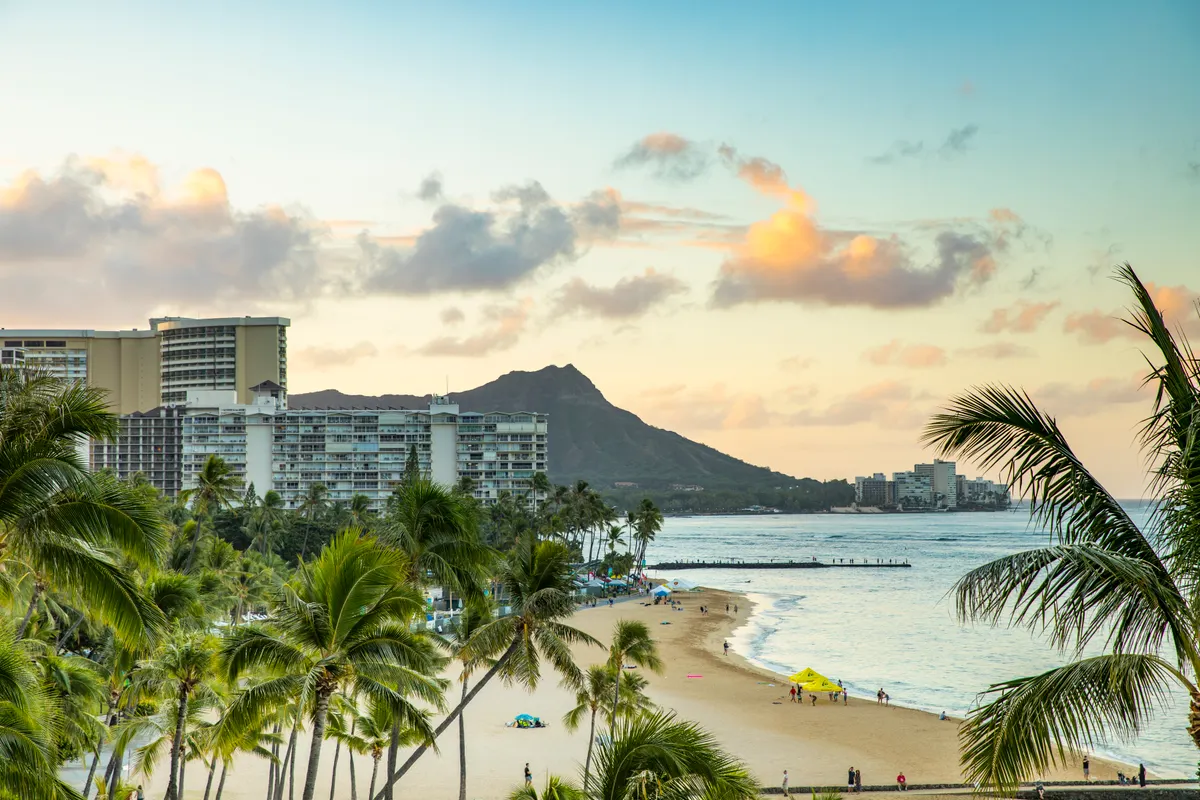
Photo by Stephen Leonardi via Pexels
12
What to skip (or do differently)
Honest takes, because somebody should say them,
- Do not rent a car for a Waikiki only trip. It will sit in a $50-a-night garage. Rent it for the days you leave town instead.
- Do not show up to Hanauma Bay or Diamond Head without a reservation. You will be turned away. Both now require booking ahead.
- Skip the swim with dolphins "encounters." The wild spinner dolphin tours stress the animals and are increasingly restricted. Watch them from a boat instead.
- Do not over schedule. The single most common Oahu mistake is booking something every morning. Leave half your days open. The island rewards a slow afternoon more than a packed itinerary.
- Do not chase every "hidden gem" you saw online. The famous Instagram stairs (Haiku Stairs) are illegal to climb and being removed. Several "secret" spots are on private land or genuinely unsafe.
- Do not skip the windward side because it looks "out of the way." Kailua, Lanikai, and the Ko'olau backdrop are the prettiest part of the island, and they are barely 30 minutes from Waikiki over the Pali.
- Do not book two staged sunsets in one trip. A sunset cruise and a sunset luau in the same week is a lot of organized sundowns. Pick one, the real thing off any west facing beach is free and better.
13
Where to base yourself
Two main bases, and the choice shapes your trip,
- Waikiki puts you on the beach with restaurants, nightlife, and tours at your door, convenient and lively, never quiet. Best for first timers and anyone without a car. Browse Waikiki hotels (also on Booking.com) for the widest range of price points on the island.
- Ko Olina on the west side is the opposite, calm lagoons, resort quiet, and the best sunsets, but you will drive for everything else. Great for couples and families who want to slow down. Compare Ko Olina hotels (also on Booking.com) to weigh the Four Seasons, Aulani, and the Marriott.
- Kailua or the North Shore suit travelers who want a quieter, more local base and do not mind driving into town. Vacation rentals here trade nightlife for space, calm, and a neighborhood feel, a good fit for a longer, slower stay.
A budget note, Waikiki has the island's widest spread of rates, from beachfront landmarks to value high rises a block off the water, so you can usually find something workable in the most convenient neighborhood. Staying a few blocks back from the beach is the easiest money you will save on Oahu.
If you are building a whole trip around the island, our best time to visit Hawaii guide covers the seasons, and the Hawaii honeymoon guide is worth a read if romance is the point.
FAQ: visiting Oahu
How many days do you need in Oahu?
Five to seven days. Three covers Waikiki, Diamond Head, and Pearl Harbor. A week adds the North Shore, the windward coast, and the slow beach days that make the trip. Beyond ten days, most people island hop.
What is Oahu best known for?
Waikiki Beach, Pearl Harbor, the North Shore's big wave surf, Diamond Head, and Hanauma Bay snorkeling, plus being the most accessible Hawaiian island, with the most to do in the least driving.
Do you need a car in Oahu?
Not for a Waikiki based trip with day tours, rideshare and the occasional rental day work fine. But to explore the North Shore and windward side on your own schedule, rent a car for those days. Parking in Waikiki is pricey, so do not keep one the whole trip.
Is Oahu worth visiting?
Yes, it packs the most variety into the least driving of any Hawaiian island, beaches, hikes, snorkeling, history, and a serious food scene within a short distance of Honolulu. It is busier than the other islands, which is the trade off for that range.
What is the number one thing to do in Oahu?
If you do one thing, snorkel Hanauma Bay (reserve ahead) or watch the sunset from a west facing beach. For a single iconic activity, the Diamond Head hike at opening is hard to beat.
What is the best time of year to visit Oahu?
April to early June and September to early November bring warm water, thinner crowds, and lower rates. Winter has the North Shore's big surf and the whales. Summer has the calmest water but the biggest crowds. See our best time to visit Hawaii guide for the month by month detail.
Is Oahu or Maui better for a first trip?
Oahu for variety, value, and the most to do with the least driving, plus the history and the city life. Maui for a slower, more resort focused pace. Plenty of first timers split a week between the two. Our Hawaii honeymoon guide compares the islands in more depth.
Are there good things to do in Oahu with kids?
Plenty, Oahu is the most kid friendly island. Waikiki's water is calm and shallow, the Ko Olina lagoons are basically natural kiddie pools, and Hanauma Bay is easy snorkeling for first timers. Add the Honolulu Zoo, Sea Life Park, and the Polynesian Cultural Center and you can fill a week without a single meltdown.
Disclosure: Some links on this page are affiliate links. If you book or buy through them we may earn a small commission, at no extra cost to you. As an Amazon Associate, we earn from qualifying purchases.