North Shore Oahu Guide 2026: Beaches, Surf, Food and Tips
16 min readYndira W. Tonin
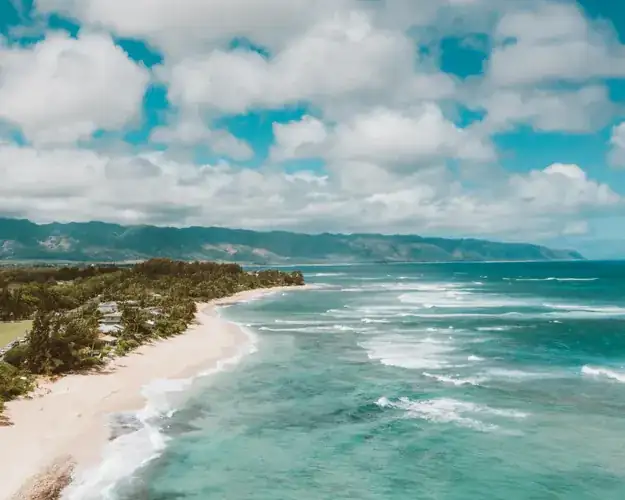
Drive about 45 minutes north of Waikiki and Oahu changes its clothes. The high rises give way to one lane roads, fruit stands, and a seven mile run of coast the surfing world treats as holy ground. This is the North Shore, and it is the best day, or three, you will spend on the island. Here is how to do it right.
These details were last verified in 2026.
North Shore Oahu is the rural, surf soaked north coast of the island, anchored by the historic town of Haleiwa and the famous "Seven Mile Miracle", the stretch of world renowned breaks from Haleiwa to Sunset Beach. In winter it hosts some of the biggest rideable waves on earth. In summer that same water turns into a glassy swimming and snorkeling playground. It is roughly 50 minutes from Waikiki, and it feels like a different island entirely, slower, greener, and gloriously short on traffic lights.
Table of Contents
- What makes the North Shore different
- When to go, winter surf, summer swim
- Getting there, the drive and the parking
- The best North Shore beaches
- Haleiwa town, the heart of the North Shore
- Where to eat, shrimp trucks and shave ice
- Beyond the beach, Waimea Valley and more
- A perfect North Shore day
- Tips for visiting the North Shore
- Where to stay on the North Shore
- FAQ, visiting the North Shore
01
What makes the North Shore different
The rest of Oahu has resorts and rush hour. The North Shore has surfboards drying on fences and a speed limit nobody is in a hurry to exceed. Locals call it "the country," and they mean it as the highest compliment.
What you notice first is the pace. The single coastal highway runs past taro fields, food trucks, and beach after beach, and the whole place is organized around being outside, surfing, swimming, watching the waves, eating something good with sand on your feet. There is no nightlife to speak of and no reason to want any. The entertainment is the ocean.
What you notice second is the water. From a safe distance on the sand in winter, the North Shore surf is the most powerful natural spectacle on the island, waves the size of small buildings, breaking with a boom you feel in your chest. In summer the same coast goes quiet and clear. Same beaches, completely different ocean, and which one you get depends entirely on the calendar.
And what you notice third, once you have spent a day here, is that you do not want to leave. The North Shore has a way of resetting your clock. People come for an afternoon, end up watching the whole sunset from a tailgate with a plate of shrimp, and start quietly googling rental prices on the drive home. Consider yourself warned.
02
When to go: winter surf, summer swim
This is the single most important thing to understand about the North Shore, so read it twice.
Winter (roughly November to February) is surf season. The big swells roll in, the pro competitions run, the Triple Crown and, on the rare giant days, the Eddie at Waimea, and the beaches become arenas. It is a genuine spectacle, the kind of thing you remember. It is also genuinely dangerous to enter, the shore break alone can break bones, and the rip currents drown strong swimmers every year. In winter, the North Shore is for your eyes, not your swim trunks. Check conditions at the official Hawaii Beach Safety site and obey the lifeguards and the warning signs without exception.
Summer (roughly May to September) is swim season. The waves lie down, the water turns glassy and clear, and the snorkeling at spots like Sharks Cove becomes some of the best on the island. Waimea Bay flips from a big wave arena to a calm swimming hole with a jump rock.
So, come in winter for the surf show and the drama, come in summer to actually get in the water. There is no wrong season, there is only knowing which one you are visiting. Our best time to visit Hawaii guide has the wider monthly picture.

Photo by Jess Loiterton via Pexels
03
Getting there: the drive and the parking
The North Shore is about 50 minutes to 75 minutes from Waikiki, depending on the route and the traffic, and there are two ways to do it.
The fast way is up the H-2 freeway through the pineapple fields of the central plateau, direct, efficient, and a straight shot to Haleiwa. The scenic way is up the windward coast through Kaneohe and around the top, which takes longer but rolls past Kualoa, the Byodo-In Temple, and a string of lookouts. The local move is to go up one way and back the other so you see both.
A few practical notes. Aim to arrive by 10 or 10:30 a.m., the beach lots and Haleiwa parking fill by late morning, especially on weekends. In winter, leave even earlier and plan to be heading home before midafternoon, because when the surf is big, sightseers turn the two lane Kamehameha Highway into a slow moving parking lot. And bring cash for the fruit stands and shrimp trucks.
If you would rather not drive at all, a full day circle island tour handles the route, the parking, and the narration, hitting the North Shore highlights along with the windward coast, a genuinely good option on a big surf winter day when you would rather not fight the traffic yourself.
★4.8(4,263)
Oahu Circle Island Tour with Waimea Valley Waterfall
8 hours
Free cancellation
from
$154
04
The best North Shore beaches
The Seven Mile Miracle is really a string of beaches, each with its own personality, our guide to the best beaches on the North Shore ranks them by what you came for. From Haleiwa heading east,
- Haleiwa Ali'i Beach Park. Right by town, with a gentle stretch (Pua'ena Point next door) that is one of the easiest places on the island to learn to surf, a beginner surf lesson here is mellow and forgiving, and our surfing on Oahu guide explains the seasons and skill levels. Also a lovely, low key sunset beach.
- Laniakea Beach (Turtle Beach). Green sea turtles (honu) haul out to bask on this sand year round. Keep your distance, federal rules say at least 10 feet, and the volunteers on site will (rightly) keep you honest.
- Waimea Bay. The showpiece, a calm, swimmable bay with a famous jump rock in summer, and a thundering 30-foot big wave arena in winter. The most dramatic single beach on Oahu in either season.
- Sharks Cove and Three Tables (Pupukea). Two of the best snorkeling spots on the island in summer, rich reef, dense fish, and strictly look do not touch when the winter swell is up. In calm season, a guided snorkeling tour makes the most of the conditions.
- Ehukai Beach Park (the Banzai Pipeline). The most famous wave in surfing breaks just offshore here in winter. Watching the pros thread the barrel from the sand is mesmerizing, and it costs nothing.
- Sunset Beach. Exactly what the name promises, a premier winter break, and a glassy swimming beach come summer.
- Kuilima Cove at Turtle Bay, at the island's northern tip, a reef sheltered cove that stays calm enough to swim and snorkel even during winter swells, which makes it the rare January friendly option up here.
For how these fit into the island's beaches overall, see our best beaches in Oahu guide.
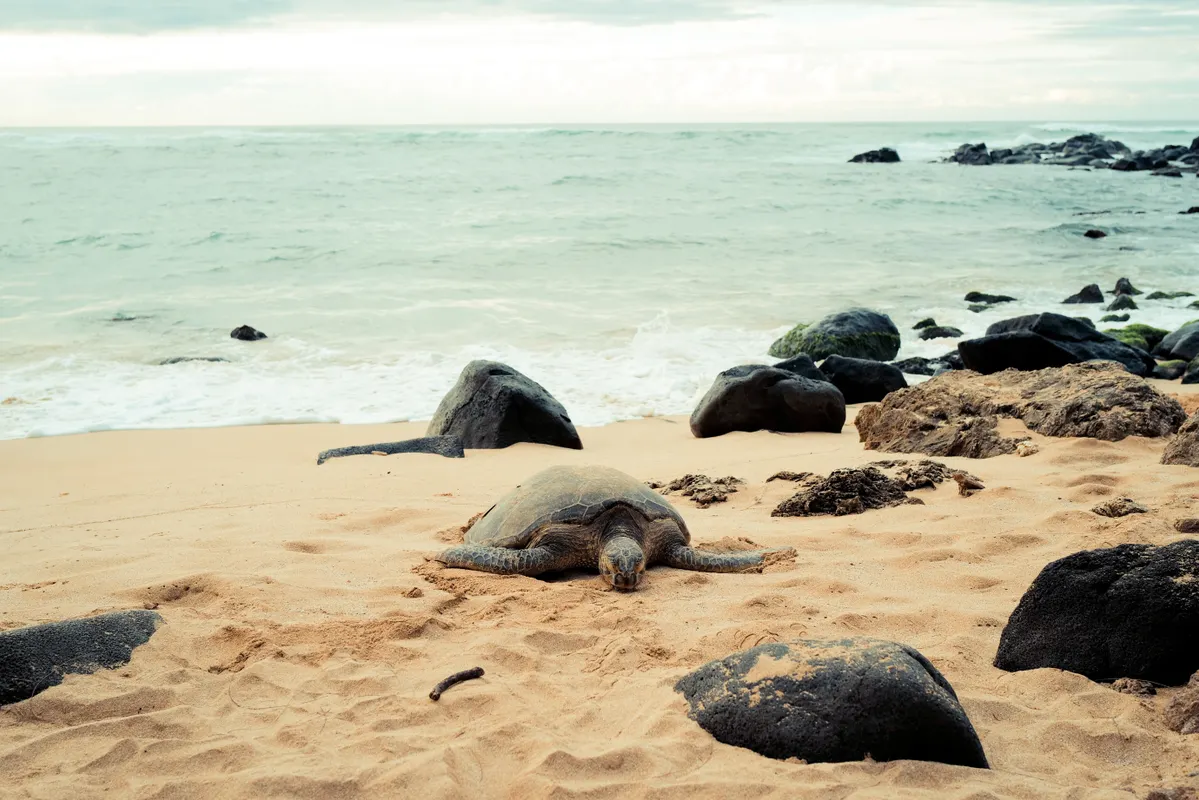
Photo by Michael Li via Pexels
05
Haleiwa town: the heart of the North Shore
Every North Shore day runs through Haleiwa, the historic plantation era surf town that is the region's hub. It is small, walkable, and built almost entirely out of charm, weathered storefronts, surf shops, art galleries, boutiques, and food, all in a few easy blocks.
Spend an hour or three browsing the Haleiwa Store Lots and the North Shore Marketplace, poke through the surf and art shops, and watch the boards go by. If the water is calm, you can paddle the gentle Anahulu River under its landmark rainbow bridge by kayak or paddleboard. It is the kind of town where the plan is to have no plan, and that is exactly the right plan.
The one rule of Haleiwa, do not leave without shave ice. More on that next.
Haleiwa is also the practical hub of the coast, the gas station, the grocery run, the surf rental shops, and the booking desks for North Shore tours all cluster here.
Give yourself an unhurried hour to wander. The galleries, the little boutiques, and the food truck lot are the whole point, rushing them misses exactly what makes the town feel like the old Hawaii.
06
Where to eat: shrimp trucks and shave ice
The North Shore eats as well as it surfs, and almost all of it is cheap, casual, and served from a window.
- Garlic shrimp trucks. The signature North Shore meal. Giovanni's is the famous, graffiti covered original, but the whole cluster around Kahuku (where the shrimp is farmed) is excellent, a paper plate of garlic butter shrimp and two scoops of rice is the perfect post beach lunch, and the headliner of our island wide best places to eat in Oahu guide.
- Matsumoto's Shave Ice. Operating in Haleiwa since 1951 and still the name everyone knows. Get it with ice cream and azuki beans underneath, accept the line, and understand you are eating a piece of island history.
- Ted's Bakery near Sunset Beach for chocolate haupia cream pie and a solid plate lunch.
- The Sunrise Shack and Haleiwa Bowls for acai bowls and smoothies between beaches.
- Roadside fruit stands for cold coconut, pineapple, and apple bananas, bring cash and pull over.
You will eat better from these trucks and windows than from most sit down restaurants on the island, for a third of the price. That is the North Shore in a sentence. Pro tip, the shrimp trucks get a midday line, so either beat it before noon or use the wait to walk down to the water. Either way, order the garlic shrimp and resign yourself to wearing some of it home. And when you want the complete picture, every diner, sushi bar, truck lot and resort table up here, our North Shore Oahu restaurants guide ranks all 30, sorted by stretch of highway.

Photo by Chelsey Horne via Pexels
07
Beyond the beach: Waimea Valley and more
When you need a break from the sand, the North Shore has more than surf.
- Waimea Valley. A paved, mostly flat, shaded path leads through a botanical garden and cultural sites to a swimmable waterfall at the end, a relaxing, family friendly couple of hours and a welcome change of pace from the open coast.
- A luau. For the big cultural night out, the Toa Luau at Waimea Valley is a well reviewed, more intimate alternative to the giant Polynesian Cultural Center show in nearby Laie.
- The Polynesian Cultural Center. In Laie at the far end of the coast, six Pacific island villages, a luau, and an evening show. A full, pricey day, great for families.
- Skydiving and glider rides out of Dillingham Airfield on the western end, for the best aerial view of the coast you can get.
- Waialua for the old sugar mill, North Shore coffee, and a chocolate farm, a quiet detour most visitors miss.
The throughline of the North Shore is that the best of it is unhurried and outdoors. You can fill a day with the waterfall walk, the turtles, and the town and never once look at a clock.
If you only have time for one non beach stop, make it Waimea Valley, the easy path to a swimmable waterfall is the rare attraction that suits every age and energy level.
08
A perfect North Shore day
If you want a shape to follow, here is a day that works in either season,
- Leave Waikiki by 8:30 a.m. to beat the parking and the traffic.
- Start in Haleiwa, coffee, a wander through the shops, and a look at the Anahulu bridge.
- Beach the late morning. In summer, snorkel Sharks Cove or swim Waimea Bay. In winter, post up at Pipeline or Waimea to watch the surf.
- Garlic shrimp for lunch from a truck, eaten at a picnic table with sandy feet.
- Waimea Valley or turtle spotting at Laniakea in the early afternoon.
- Matsumoto's shave ice because you earned it.
- Sunset from Haleiwa Beach Park or Sunset Beach, then the drive home in the dark.
If that last sunset is the part you want to remember, it is the kind of evening we set up, a private beach picnic at golden hour, table on the sand, dinner waiting, nobody to clean up but you. Our Oahu sunset guide has the timing down to the minute.
The real secret to a North Shore day is to under plan it. Pick two or three stops, leave the rest open, and let the coast set the pace.
The people who try to schedule every beach end up seeing them through a windshield. The ones who pick a patch of sand and stay are the ones who fall for the place.
09
Tips for visiting the North Shore
A handful of things that make the day go smoothly,
- Bring cash. The shrimp trucks, fruit stands, and smaller shops often prefer it, and you will be glad to have some.
- Gas up and stock up before you head out. There are no big box stores up here, and that is by design, do not count on finding a 24-hour anything.
- Pack reef safe sunscreen, water, and shade. The chemical sunscreens are banned in Hawaii, most beaches have little shade, and the sun is stronger than the trade winds let it feel.
- Respect the locals and the land. This is a real community, not a theme park. Park legally, do not block driveways, pack out your trash, and give the surfers and the turtles their space.
- Watch the ocean, always. In winter especially, never turn your back on the waves, keep kids well back from the shore break, and when a lifeguard or a sign says stay out, stay out. The North Shore is generous to people who respect it and unforgiving to people who do not.
10
Where to stay on the North Shore
You have two choices, base up here, or day trip from town.
Day tripping from Waikiki is what most visitors do, and it works fine, it is a manageable drive and you keep the convenience of the city in the evenings. If that is your plan, browse Waikiki hotels (also on Booking.com) and treat the North Shore as a full day out.
Staying on the North Shore trades convenience for immersion, quiet nights, empty morning beaches, and the country pace. Turtle Bay Resort at the northern tip is the only full resort up here. Otherwise it is vacation rentals and a few small inns around Haleiwa and Sunset Beach, compare North Shore stays on Expedia (also on Booking.com) to wake up among the surf towns. Stay a night or two and you will understand why people never want to leave.
For most visitors, day tripping from Waikiki is the simplest call, you keep the city conveniences and treat the North Shore as a long, glorious day out.
But if you have the nights to spare, even one or two up here changes the trip, empty morning beaches, a slower clock, and sunsets you do not have to drive home from. Book early either way, because the handful of rentals on the North Shore go fast.
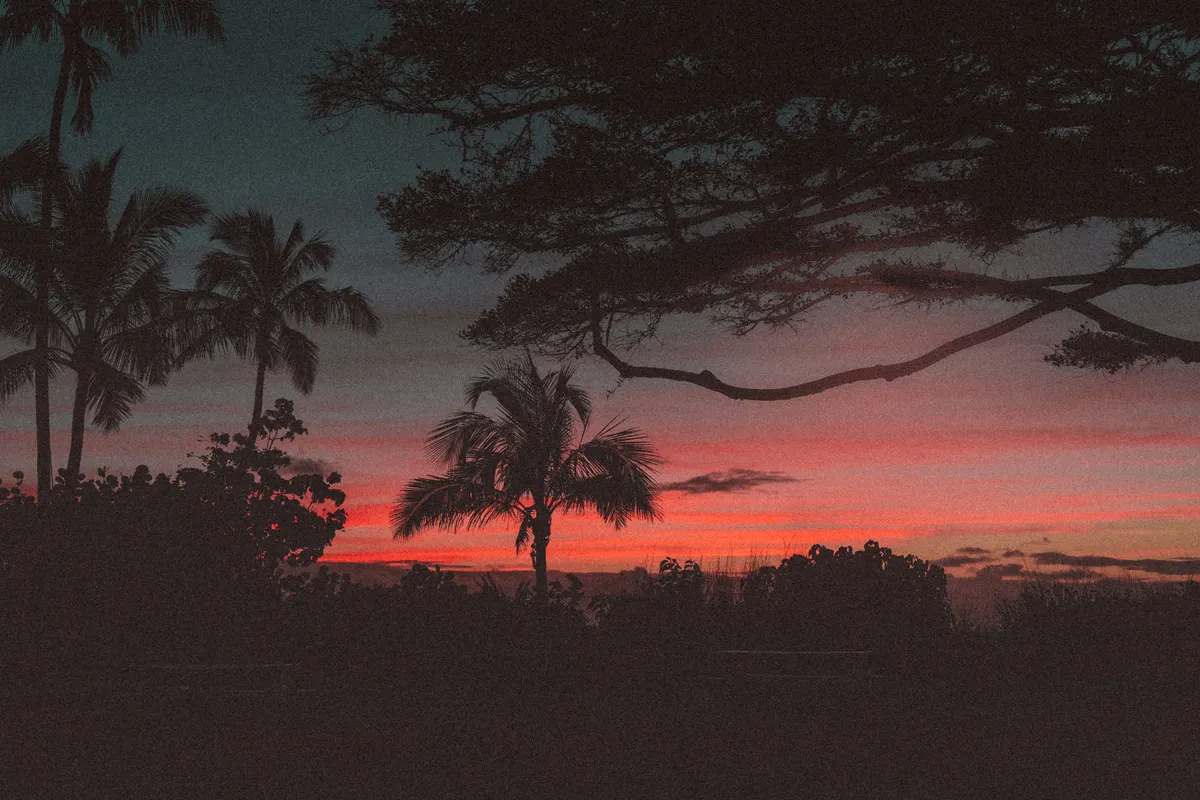
Photo by Jess Loiterton via Pexels
FAQ: visiting the North Shore
How far is the North Shore from Waikiki?
About 50 minutes via the H-2 freeway, or up to 75 minutes if you take the scenic windward route or hit weekend or big surf traffic. Leave early, by 8:30 a.m., to beat both the parking crunch and the crowds.
What is the best time to visit the North Shore?
Winter (November to February) for the big wave surf and the pro competitions, watched safely from the sand. Summer (May to September) for calm, clear water and the best swimming and snorkeling. Both are worth it. Just know which ocean you are getting.
Can you swim on the North Shore?
In summer, yes, the water is calm and excellent for swimming and snorkeling. In winter, mostly no, the surf is large and dangerous, and most beaches are for watching, not swimming. The exception is Kuilima Cove at Turtle Bay, which stays protected year round.
How long do you need on the North Shore?
A full day covers the highlights, Haleiwa, a beach or two, garlic shrimp, and a sunset. Staying a night or two lets you slow down to the local pace and have the morning beaches to yourself, which is the real reward.
Is the North Shore worth visiting?
Absolutely. It is the most distinct, laid back, and scenic part of Oahu, and the contrast with Waikiki is the whole point. Whether you come for winter surf or summer snorkeling, it is the day most visitors end up calling their favorite.
What is there to do on the North Shore besides the beach?
Explore Haleiwa town, walk Waimea Valley to its waterfall, see green sea turtles at Laniakea, eat your way through the shrimp trucks and shave ice, paddle the Anahulu River, visit the Polynesian Cultural Center, or go skydiving over the coast from Dillingham Airfield.
Do you need a car for the North Shore?
Effectively yes, unless you take a tour. Public transit reaches Haleiwa but is slow and impractical for beach hopping along the coast. Rent a car for the day, or take a guided circle island tour that handles the driving and the parking for you.
Is the North Shore good for families?
Very. Waimea Valley's flat path to a waterfall, the turtles at Laniakea, the shave ice and shrimp trucks, and, in summer, the calm swimming at Waimea Bay all suit kids well. Just mind the winter surf and keep little ones well back from the shore break.
More of the island → Oahu's best beaches.
Disclosure: Some links on this page are affiliate links. If you book or buy through them we may earn a small commission, at no extra cost to you. As an Amazon Associate, we earn from qualifying purchases.


