Kaneohe Sandbar: How to Visit Oahu's Vanishing Sand Beach
20 min readYndira W. Tonin
The short version, the Kaneohe Sandbar is a three mile stretch of sand that sits in the middle of Kaneohe Bay and only fully appears at low tide. You cannot drive to it, you cannot walk to it from shore, and you cannot wing it, you get there by boat, by kayak, or on a guided tour, and the tide decides whether you find a white sand beach or waist deep water.
The information here was confirmed for 2026.
Locals call it Ahu o Laka. Visitors call it the disappearing beach, the floating beach, or "wait, that is real?" All three are correct.
This guide covers how to get to the Kaneohe Sandbar, whether to book a tour or paddle yourself, how to read the tide so you do not waste the trip, the rules that actually get enforced, and the honest answer to the shark question everyone whispers. It is one of the best half days on Oahu when you time it right.
Table of contents
- What is the Kaneohe Sandbar?
- How to get to the Kaneohe Sandbar
- Booking a Kaneohe Sandbar boat tour
- Kayaking to the sandbar yourself
- Tides, the one thing that makes or breaks the trip
- What to do once you are out there
- The rules nobody mentions
- Are there sharks at the Kaneohe Sandbar?
- The best time to visit
- What to bring
- Getting there and where to stay
- FAQ
01
What is the Kaneohe Sandbar?
Picture a beach with no land attached to it. That is the Kaneohe Sandbar.
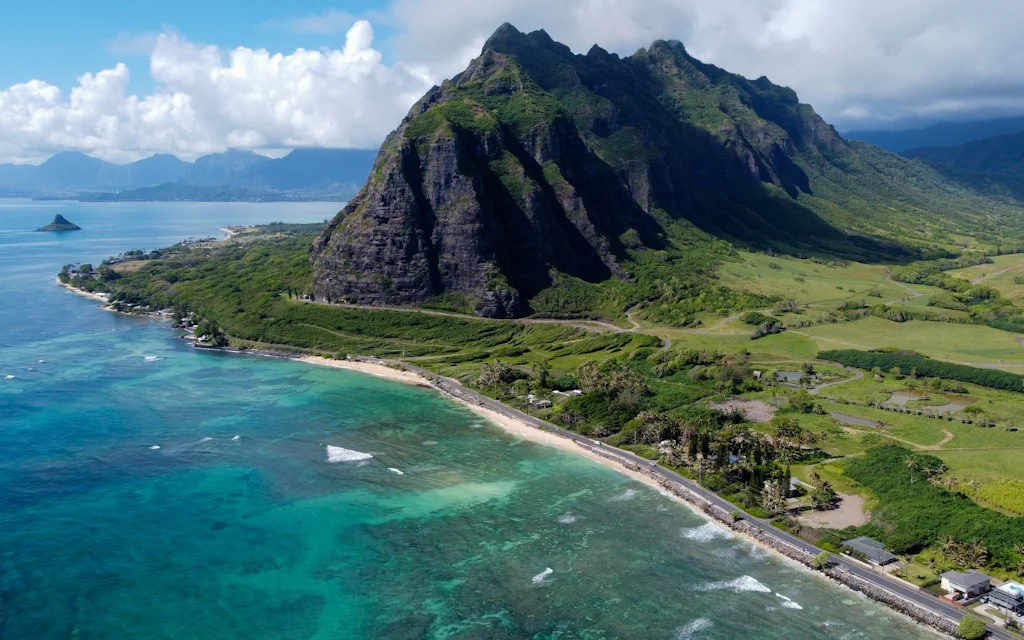
Officially named Ahu o Laka, it is a submerged reef flat near the center of Kaneohe Bay on the windward side of Oahu, roughly three miles long and up to a mile wide. At low tide, large stretches of it rise out of the water into firm, walkable white sand, a beach floating in the middle of the bay, ringed by bright blue shallows and backed by the impossibly green Koolau mountains. At high tide, most of it vanishes under knee to waist deep water that is somehow even more fun.
It is also a wahi pana, a storied, culturally significant place in Hawaiian tradition, not a theme park attraction. That matters for how you behave once you are there, which we will get to.
What makes it special is exactly what makes it tricky, it is genuinely in the middle of the ocean. There is no road, no parking lot, no snack stand, and no lifeguard. The bay around it is calm and protected by Oahu's largest barrier reef, which is why the water is glassy and the colors look fake in photos. But you are still a couple of miles offshore, and the sandbar runs on the tide's schedule, not yours.
Get the timing right and it is one of the most surreal places in Hawaii. Get it wrong and you have paid to stand in some cloudy water squinting at where the beach was supposed to be.

Photo by Shaah Shahidh on Unsplash
02
How to get to the Kaneohe Sandbar
Here is the rule that surprises everyone, you cannot get to the Kaneohe Sandbar by car or on foot. There is no shoreline that connects to it. Every single person out there arrived by boat, kayak, paddleboard, or jet ski.
The launch point for nearly everyone is Heeia (Heʻeia) Kea Boat Harbor, on the western edge of Kaneohe Bay, about a 35-to-45-minute drive from Waikiki over the Pali or Likelike highway. The harbor has free public parking and is where the tour boats, private charters, and most kayak trips push off.
That leaves you four honest ways to reach the sand.
How should you get to the Kaneohe Sandbar?
Guided boat / catamaran tourOur pick
- Best for
- First-timers and groups who want snorkel gear, a captain who knows the tide, and zero logistics
- The catch
- Around $175–$180 a head, and you go on the tour's schedule, not yours
Kayak from Heeia or Kailua
- Best for
- Fit paddlers on a budget who want to go on their own clock
- The catch
- A 45–75 minute paddle each way — brutal if you misjudge the wind or the tide
Private charter
- Best for
- Families or small groups who want their own boat, flexible timing, and quiet
- The catch
- The priciest option by a distance
Jet ski / water sports rental
- Best for
- Thrill-seekers pairing the sandbar with banana boats and toys
- The catch
- More about the toys than the sandbar; still needs a tour operator's boat to get out
A guided boat or catamaran tour is the path of least resistance and what most first timers should book, gear, shade, a cooler, and a captain who has read these tides a thousand times. Kayaking is the budget and freedom play if you are fit and willing to gamble on the wind. A private charter buys you your own boat and your own schedule for a premium. And the jet ski and water sports outfits will get you out there too, though they are really selling the toys, not the serenity.
Whatever you pick, the through line is the same, someone with a boat and a tide chart is involved. Pick the version of that you are most comfortable with.
A quick word on Heeia Kea itself, because first timers get flustered there. It is a working small boat harbor, not a resort marina, expect a gravel lot, a bait and tackle vibe, and a little confusion about where your specific boat ties up. Arrive 20 to 30 minutes early, text the operator if you cannot find them, and do not panic when it looks nothing like the glossy tour photo. The glossy part starts once you are on the water.
03
Booking a Kaneohe Sandbar boat tour
For most visitors, a Kaneohe Sandbar tour is the right call, and it is not close.
The boats run out of Heeia Kea, usually as half day trips of four to five hours, and they hand you the whole experience without the planning, snorkel gear, paddleboards, shade, a sound system, often a banana boat ride or floating mat, and, most importantly, a crew who knows exactly when and where the sand will be exposed that day. You show up, you get on the boat, the ocean does the rest.
The well known operators on the bay are Captain Bruce and Kaneohe Bay Ocean Sports, among others, and the Viator bookable tours are a clean way to lock it in with reviews attached.
★4.9(467)
Kaneohe Sandbar Afternoon Snorkeling Tour
2.8 hours
Free cancellation
from
$180
If you would rather go in the calmer morning light before the wind builds, the Kaneohe Sandbar Morning Snorkeling Tour runs the same idea earlier in the day. Both bundle the snorkel stop on the reef with the time on the sand, which is the combination you actually want, the sandbar for the novelty, the reef for the fish and the honu you will meet snorkeling.
A booking tip from watching too many people do this wrong, reserve a tour for early in your Oahu trip, not the last day. Sandbar tours run on specific days and can sell out, and weather occasionally cancels them, so you want a backup morning in your pocket.
When you compare operators, look past the price at three things, the group size, whether they schedule around the day's low tide, and whether snorkel gear and a flotation option are included or sold as extras. A smaller boat on a low tide schedule beats a cheaper cattle barge at high tide every time. Read the recent reviews for the word "tide", operators who mention it are the ones doing the homework that makes or breaks your photos.
04
Kayaking to the sandbar yourself
Kayaking to the Kaneohe Sandbar is legal, popular, and the cheapest way out there. It is also where the most trips go sideways.
You can rent a kayak near Heeia or launch from the Kailua side, and the paddle to the sandbar typically takes 45 to 75 minutes each way depending on your launch point, your fitness, and, say it with me, the tide and the wind. Go out on a falling tide with the wind at your back and it is a glorious, easy glide. Misjudge it and you are paddling into a headwind across open bay with your arms filing for divorce.
Here is the one strong opinion in this guide, and it is backed by a number, if you are fit and you genuinely time the tide, kayak and save yourself the $175-plus tour fee, but if you are not sure you can read a tide chart, book the tour, because the "cheap" option of a wrong tide slog is the most expensive mistake on the bay. A miserable two mile paddle is not a bargain at any price.
If you do paddle, bring more water than you think, wear a rash guard, leash everything to the boat, and tell someone your plan. The bay is calm by Hawaii standards, but it is still the open ocean, and the trade winds usually pick up in the afternoon, which is exactly when a tired paddler wants them to do the opposite.

Photo by William Zhang on Unsplash
05
Tides: the one thing that makes or breaks the trip
If you remember one sentence from this entire guide, make it this, check the tide before you book anything.
The Kaneohe Sandbar is a tidal feature, which means its whole personality changes through the day. At low tide, the sand is exposed and you can stroll across a beach in the middle of the ocean. At high tide, it is mostly submerged under shin to waist deep water, still beautiful, still swimmable, just a different trip. Neither is "wrong," but you should know which one you are signing up for.
For the classic walk on the sand photos, you want to be there at or near low tide. Look up the tide chart for Kaneohe Bay before you pick a day or a tour time, the NOAA tide predictions for the Mokuoloe station in Kaneohe Bay are the authoritative source, and they are free.
The good news for tour bookers, this is the single biggest reason to let a professional handle it. A good operator schedules the trip around the day's low tide automatically, so you get the exposed sand version without ever opening a tide table. If you are doing it yourself by kayak, this homework is entirely on you, and skipping it is how people end up "visiting the sandbar" by treading water over it.
One more nuance, a super low tide can leave the surrounding shallows too thin for easy snorkeling, while a higher tide is better for floating and swimming. The sweet spot most tours aim for is a low ish tide that still leaves room to play. The pros thread that needle for a living.

Photo by Jared Rice on Unsplash
06
What to do once you are out there
The funny thing about the sandbar is that the main activity is standing in unreasonably pretty water doing very little. That is the point, and it is enough. But there is more if you want it.
Snorkeling is the obvious add-on. The reef around the sandbar holds tropical fish and, often, Hawaiian green sea turtles grazing in the shallows. Most tours include a dedicated snorkel stop on the way out or back, and it is frequently the highlight people did not expect.
Beyond that, the bay is a playground,
- Stand up paddleboarding across glassy, protected water, about as easy as SUP conditions get anywhere in Hawaii.
- Walking the exposed sand at low tide, which feels genuinely otherworldly and makes for the photos that do not look real.
- Floating and swimming in the warm, waist deep shallows when the tide is up.
- Banana boats, tubes, and water toys if you booked an operator that runs them.
What you should not do is treat it like a private island to conquer. Stand on the sand, not on the living coral around it. Coral is an animal, and a footprint can kill a patch that took years to grow. Keep your distance from any turtles, admire them, do not chase them. The sandbar rewards the low key. Come for the calm, not the conquest.
If you have kids, this is one of the most forgiving ocean outings on Oahu, the water is warm, clear, and often only knee deep across huge stretches, with no shore break and no current to speak of. It is essentially the world's biggest, prettiest wading pool, just remember the life jackets and the missing lifeguard. And bring an underwater camera or a phone pouch, because the combination of clear water, white sand, and green mountains produces the kind of photo people assume you faked.
07
The rules nobody mentions
The Kaneohe Sandbar has a reputation as a party spot, and for years it earned it. That has changed, and the rules now get enforced, so know them before a state officer explains them to you.
The big one, alcohol and drugs are banned at the sandbar. After years of crowded, boozy weekends that left the bay trashed and the wildlife stressed, the state cracked down. Treat the sandbar as a dry, family friendly place, because officially it is one, and citations happen.
Because it is a wahi pana, a culturally significant place, a little reverence goes a long way. The Hawaii Division of Boating and Ocean Recreation oversees the bay and its rules. The spirit of them is simple. Pack out every scrap you bring. Do not stand on or anchor into coral. Keep noise and crowds in check. Children should wear life jackets, because "shallow" still means open ocean two miles out.
None of this is meant to scare you off, it is the opposite. The reason the sandbar is still magic is that people finally started treating it like the rare, fragile, sacred place it is. Be one of those people and you will have a better day, too. The bay is quieter and cleaner than it has been in years, and that is worth protecting.
A practical version of "be respectful" for anyone who finds the cultural language abstract, leave it better than you found it. Pick up a stray wrapper that is not even yours. Keep your music low enough that the boat next to you can hear their own. Do not stack rocks or carve initials into anything. It is not complicated, it is the same courtesy you would want if this were your backyard, because for the people of Heeia, it more or less is.
08
Are there sharks at the Kaneohe Sandbar?
Yes, and no, you do not need to cancel your trip. Let us be honest about it instead of coy.
Kaneohe Bay is a known pupping ground for scalloped hammerhead sharks, which use the calm, sheltered water as a nursery in the warmer months. So there are sharks in the bay, mostly small, young, shy hammerheads that want nothing to do with a crowd of splashing humans on a sandbar. Sightings happen. Incidents essentially do not.
The practical risk to a sandbar visitor is extremely low. Hammerhead pups are timid and tiny compared to the open ocean species people picture, and the sandbar's busy, shallow, daytime scene is about the least appealing place on Earth for them. Give any shark you see space, do not corner it, and carry on.
The wildlife you are far more likely to meet is the honu, the green sea turtle, drifting over the reef. NOAA asks you to stay at least 10 feet from green sea turtles and never touch or chase them. That is the only marine life rule that will realistically come up on your trip, and it is an easy one to follow.
For perspective, people swim, paddle, and float at the Kaneohe Sandbar by the thousands every single week, year after year, and the shark question remains a fun fact rather than a real hazard. The far more common ways to ruin a sandbar day are sunburn, dehydration, and a stubbed toe on the reef, boring, preventable stuff. If a small hammerhead does cruise past in the distance, the correct response is to grab your phone, not the rescue flare. It is a privilege to share a nursery with them, not a threat.
09
The best time to visit
Timing the Kaneohe Sandbar is a two part question, which tide, and which day.
The tide part you already know, aim for a low or low ish tide for the walk on the sand experience, and let a tour schedule it for you if you are unsure. That is the non-negotiable.
For the day and season, Oahu's windward side is a year round option, but the calmest, clearest water tends to come in the morning before the trade winds build. Morning tours and morning paddles get glassier water and better light. Afternoons get breezier and choppier. Summer brings the warmest water and the most settled conditions, while winter is still very doable on the protected bay even when the North Shore is roaring.
Weekdays are calmer and less crowded than weekends, when local boats pack the bay. If your schedule is flexible, a weekday morning at low tide is the platonic ideal of a sandbar trip, quiet water, exposed sand, soft light, and room to breathe. Plan around that and the rest is easy.
It is worth saying that "best time" here is a Venn diagram, not a single date. The perfect day is where a daytime low tide, a weekday, calm morning trades, and a tour with space all overlap, which does not happen as often as you would think. If you cannot get all four, prioritize the tide and the morning. Those two do the most work. A slightly busier boat at the right tide will always beat a private charter at the wrong one. And if you are visiting in the cooler months, do not write the windward side off, Kaneohe Bay is so sheltered by its barrier reef that it stays calm when the rest of Oahu is getting worked.
10
What to bring
You are heading to a beach with no shops, no shade, and no fresh water, so pack like it.
- Reef safe mineral sunscreen. It is the law in Hawaii, and out on the open bay there is zero shade, you will cook without it. Apply before you board.
- More drinking water than you think. There is nothing to buy out there, and the sun and salt are dehydrating.
- Water shoes. The exposed reef and sand can hide sharp bits, and they save your feet on the harbor and the boat.
- A dry bag or waterproof phone pouch. Everything gets wet, and the sandbar produces a frankly unfair number of photos.
- A rash guard or sun shirt and a hat. Reapplying sunscreen for five hours is a losing battle. Cover up instead.
- Snacks, if your tour allows them, just pack out every wrapper, and remember alcohol is not one of the allowed items.
Leave behind anything you would be sad to drop in the ocean, and skip the cooler full of drinks you cannot legally crack open out there.
A couple of extras that punch above their weight, a cheap pair of polarized sunglasses, because the glare off the bay is genuinely intense, and a small microfiber towel that actually dries you instead of relocating the water around. If you burn easily, a long sleeve sun shirt is the single best thing you can pack, out on the open sandbar there is no palm tree to duck under and no reapplying your way out of five hours of equatorial sun. Dress for a slow roast, and you will spend the day enjoying the water instead of negotiating with it.
11
Getting there and where to stay
Most people visit the Kaneohe Sandbar as a half day trip from Waikiki, and that works fine. From Waikiki, budget 35 to 45 minutes to Heeia Kea Boat Harbor over the Pali or Likelike highway, and leave a buffer for morning traffic and finding the harbor, a tour boat will not wait.
A rental car is the easy way to make an early harbor check-in. Rideshare reaches Kaneohe but can be slow to summon for the trip back. If you want to wake up near the bay instead of driving over the mountains at dawn, basing yourself on the windward side for a night is a lovely move, Kaneohe and Kailua put you minutes from the harbor and next to the windward beaches at Kailua and Lanikai. Most visitors still base in Waikiki and drive over, which is why you can search Oahu stays on Expedia (also on Booking.com) and day trip from there. While you are on the windward side, the serene Byodo-In Temple is ten minutes away and pairs perfectly with a morning on the bay.
One honest note, since we run beach picnics on Oahu, the sandbar is not a picnic spot. It is sand for a few hours and then it is ocean again, which is wonderful for a float and terrible for a styled table. For a picnic that stays put, the windward beaches are our home turf, our picnic packages start at $349 for two. That is the only pitch here. Back to the bay.
The hard part of the sandbar is just the logistics, the boat, the tide, the early start. Sort those and the place takes care of the rest. Few half days on Oahu deliver this much for so little effort once you are on the water.
FAQ
How do you get to the Kaneohe Sandbar?
Only by water, boat, guided tour, kayak, paddleboard, or jet ski. There is no road or walking path to it. Nearly everyone launches from Heeia Kea Boat Harbor in Kaneohe Bay, about a 35-to-45-minute drive from Waikiki, and the most popular option is a guided boat tour.
Can you walk to the Kaneohe Sandbar?
No. The sandbar sits in the middle of Kaneohe Bay, roughly two miles offshore, with no land connection. Even at the lowest tide when the sand is fully exposed, you still have to reach it by boat or kayak across open water.
How much does a Kaneohe Sandbar tour cost?
Guided boat snorkeling tours generally run around $175 to $180 per person for a half day trip including gear, with private charters costing more and kayak rentals costing less. Prices vary by operator, season, and what is included, like snorkel gear, paddleboards, and water toys.
When is the best time to visit the Kaneohe Sandbar?
A morning at low tide on a weekday is the sweet spot. Low tide exposes the walkable sand, mornings bring the calmest and clearest water before the trade winds build, and weekdays are far less crowded than weekends. Always check the Kaneohe Bay tide chart first, or book a tour that schedules around the low tide for you.
Is the Kaneohe Sandbar safe? Are there sharks?
It is generally very safe for a calm, shallow bay, with no lifeguards, so watch your group and have kids wear life jackets. Kaneohe Bay is a nursery for small, shy scalloped hammerhead sharks, but they avoid crowds and incidents are essentially unheard of, give any wildlife space and you will be fine.
Do you need to book a tour, or can you kayak to the sandbar?
You can absolutely kayak, it is legal and popular, but it is a 45-to-75-minute paddle each way that depends heavily on the tide and wind. If you are fit and can time the tide, kayaking is the cheapest option. If not, a guided tour handles the timing and gear and is well worth it.
Can you drink alcohol at the Kaneohe Sandbar?
No. Alcohol and drugs are banned at the sandbar after years of enforcement crackdowns, and citations are issued. Treat Ahu o Laka as a dry, family friendly, culturally significant place, pack out everything you bring and leave the coolers of drinks at home.
Are there bathrooms at the Kaneohe Sandbar?
No, there are no facilities out on the sandbar. It is a patch of submerged sand in the middle of the bay, so plan ahead. Go before you launch, Heeia Kea Harbor has restrooms, and most sandbar tour boats carry a head onboard. Kayakers should treat it like any half day on the water and use the harbor first.
Disclosure: Some links on this page are affiliate links. If you book or buy through them we may earn a small commission, at no extra cost to you. As an Amazon Associate, we earn from qualifying purchases.


