Kailua Beach Park & Lanikai: Parking, Tips, and Secrets
20 min readYndira W. Tonin
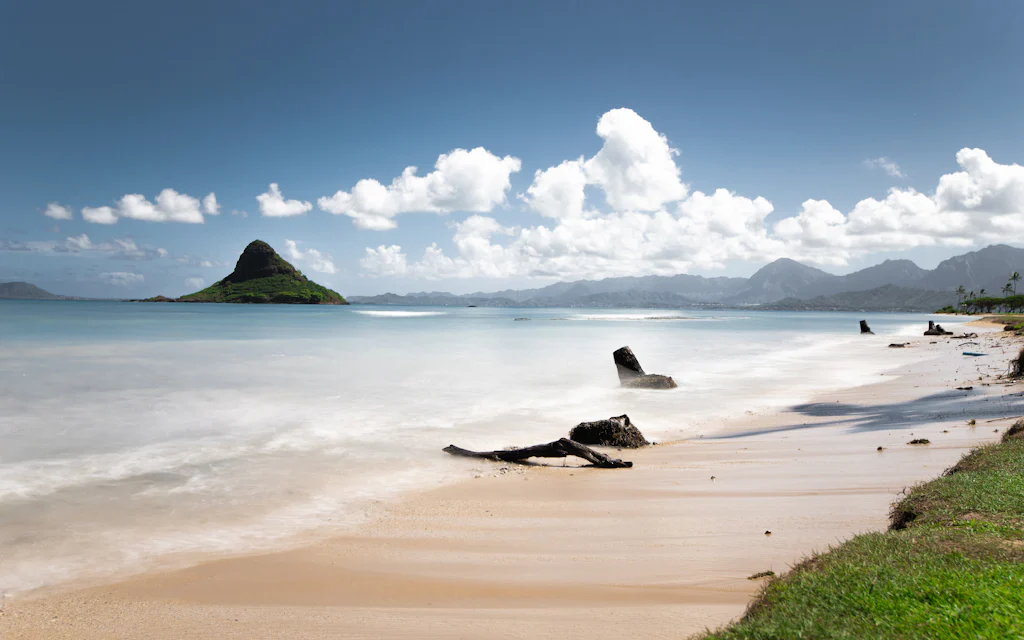
Kailua Beach Park and its smaller, more famous neighbor Lanikai sit on Oahu's windward coast, about 30 minutes from Waikiki, and they are, by most measures, the most beautiful beaches on the island. Powder white sand, calm bright blue water, and two little islands, the Mokulua, or "the Mokes", floating just offshore.
Every rule and price here is checked as of 2026, in the July pass.
This is the postcard. Lanikai in particular shows up on every "best beaches in America" list, and in person it lives up to it, shallow, protected, impossibly blue water that looks edited and is not.
Here is the honest part nobody puts on the postcard, there is almost no parking at Lanikai, no restrooms, and the surrounding streets are a tightly regulated residential neighborhood that is, understandably, tired of the crowds. The beach is free and as good as the photos. Getting to it takes a little planning.
This guide covers both beaches, the difference between them, where to actually park, the best things to do (kayaking to the Mokes, the pillbox hike, sunrise), when to go, and how to visit without being the reason locals put up more "no parking" signs.
Getting to Kailua & Lanikai Beach
Tap to open Google Maps with turn-by-turn directions.
Table of Contents
01
Kailua Beach Park vs Lanikai Beach
The base camp, quantified
People use the names interchangeably, but they are two beaches on the same gorgeous stretch of coast, and knowing the difference helps you plan.
Kailua Beach is the bigger, more practical one. It is a long, wide arc of fine white sand under swaying ironwoods, loved by locals and visitors alike, backed by Kailua Beach Park and the things humans need, parking, restrooms, outdoor showers, picnic tables, and grassy shade.
It is family friendly, guarded daily from 8am to 6:30pm, and the island's water sports commons, kayaks, paddleboarding, windsurfing and kite surfing lessons from about $299, and the outrigger canoe clubs that train off the boat ramp.
This is your base, with amenities Lanikai never offers, and the reason best Oahu beaches lists keep circling back to this beach park, Oahu families first in line. Gentle waves over a soft sandy shoreline, shade trees, and 2.5 miles of sand that swallows beach days whole with space left over. It is the closest Oahu gets to a Kauai lagoon experience without the second flight.
Lanikai Beach is the smaller, more famous one just south, reached through the Lanikai residential neighborhood. It is a half mile of even finer sand with the best view of the Mokulua islands, and it has no parking lot and no restrooms. It is the prettier photo and the bigger hassle.
The two sit end to end, separated by a small point, so many people do both, park and base at Kailua Beach Park, then walk or bike the last stretch to Lanikai for the views and the sunrise.
The simplest mental model, Kailua for facilities and a full beach day, Lanikai for the postcard. Treat Kailua Beach Park as home base and Lanikai as the scenic walk you take from it, and the whole day gets easier. It is one of the loveliest corners in our best beaches in Oahu guide for exactly this reason.
Both share the same magic, water so calm and clear it feels like a giant natural swimming pool, thanks to the offshore reef that knocks down the surf. This is gentle, swimmable, kid friendly ocean, a different world from the North Shore's winter waves.

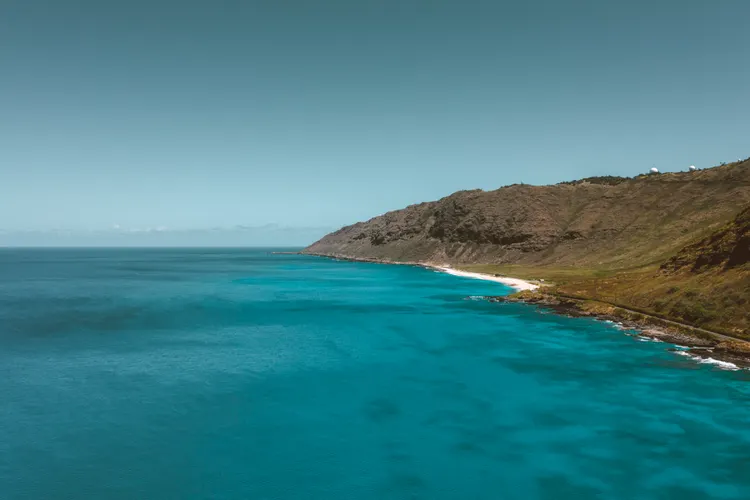
Photo by Hamza ERBAY on Unsplash
02
Getting there and parking
Let us deal with the hard part first, because parking is genuinely the biggest challenge of a Kailua and Lanikai visit.
Park at Kailua Beach Park. The main lot and the adjacent boat ramp lot are your best bet, free, with restrooms and showers, and an easy base for the day. From there, Lanikai is a flat 10-to-15-minute walk or a short bike ride along a marked path.
Lanikai itself now has essentially zero visitor parking, and this is new. The city's Lanikai Transportation Management Plan began rolling out in July 2026, parking on the Mokulua Drive loop is permanently banned all day, Aalapapa Drive follows, and the cross streets ban parking from 10am to 4pm. Fines start around $60, the bike lane runs $200, patrols start by 7am on sunny days, and holiday weekends ban parking on every Lanikai street.
The guides still telling you to hunt a street spot are describing a neighborhood that no longer exists.
A few tips that actually work whether you are solo or towing a family,
Parking a Kailua and Lanikai day
- 1Before 8:30am
Kailua Beach Park lots
Free, no reservations, three lots, weekend fill by 9am
- 2Lanikai loop
Permanently banned
Mokulua Drive first, Aalapapa next, $60 to $200 fines, patrols from 7am
- 3The smart play
Bike the last mile
About $35 a half day from town, the city plan's own recommendation
- 4Holiday weekends
Every street banned
All Lanikai streets close to parking 10am to 3pm, barriers included
- Arrive early, by 8am, earlier on weekends. The Kailua Beach Park lots fill fast, and early is also when the water is calmest and the light is best.
- Bike the last mile. Renting bikes in Kailua town, about $35 a half day, sidesteps the parking problem entirely, and the flat ride is the easiest way to reach Lanikai now. It is also the option the city's own plan recommends.
- Go on a weekday if you can, and avoid the 10am to 2pm crush. Weekends are when both the crowds and the parking enforcement peak. Experienced visitors learn the rhythm fast, early beach, midday town, late beach.
The location sits 12 miles from Waikiki, about 30 minutes of travel on the Pali Highway road through the Koolau gap, scenic in its own right, and Google Maps handles the one tricky roundabout by the beach entry, and a rideshare runs about $38 each way. The bus works with a transfer, any Ala Moana route to the 67, and the beach park lots themselves stay free with no reservation system, main lot and boat ramp lot filling quickly, by 9am weekdays and 8:30 on weekends, with everything within a short flat walk of the sand. Our things to do on Oahu guide maps how the windward side fits into the rest of the island.
The honest summary, base at Kailua Beach Park, get there early, and walk or bike to Lanikai. Fight that formula and the day starts with a parking headache. Follow it and you barely think about it.
03
The best things to do
Beyond simply lying on some of the best sand in Hawaii, Kailua and Lanikai pack in more than their share of activities. A quick overview before the big ones get their own sections,
- Swim and float. The calm, shallow, reef protected water is about as safe and pleasant as ocean swimming gets, ideal for kids and nervous swimmers, and a staple of our Oahu with kids guide.
- Kayak or paddleboard to the Mokulua islands. The signature adventure, launched from Kailua Beach Park (more below).
- Hike the Lanikai Pillboxes for a panoramic view down over the beaches and islands (more below).
- Watch the sunrise. Lanikai faces east, making it one of Oahu's premier sunrise spots (more below).
- Snorkel the rocky patches. Marine life is limited compared to a reef like Hanauma, but the clear water and coral pockets near the rocks are worth a look, our best snorkeling on Oahu guide has the better spots if fish are the goal.
What makes this stretch special is how gentle it all is. There are no big waves to respect, no strong shore break, no long drive to a trailhead. You can swim, paddle, hike a short ridge, and watch a sunrise all from the same small, beautiful corner of the island.
It is also, frankly, a wonderful place to do nothing at all. Plenty of people bring a beach chair, a book, and a cooler to Kailua Beach Park and never feel the need to "do" anything. With water and sand this good, that is a completely valid plan.
If you want one active highlight, make it the kayak trip to the Mokes. If you want one quiet one, make it sunrise. Both are below.

Photo by Bernd Dittrich on Unsplash
04
Kayaking to the Mokulua islands
The Mokes, done legally
- 1Book
Rental $69 to $109, tour $179 to $249
The $3 landing permit bundles in, no landings on Sundays
- 2Paddle
About 5 miles round trip
60 to 90 minutes of real work, mornings only, before the trade wind
- 3Land
Moku Nui only
Moku Iki is off limits, stay below the high water line, fines reach $1,500
- 4Warm up
Flat Island first
The short version of the same adventure, same permit rules
The starter mission is Flat Island, the low islet a short paddle off the beach park with the same $3 landing permit rules.
The main event is paddling out to the Mokulua islands, the two little islets that make every Lanikai photo. The nearer one, Moku Nui, has a small beach you can land on and is a state seabird sanctuary with rules that carry real teeth, a $3 per person landing permit, sold through the rental shops every day except Sunday, against fines the state has pushed to $1,500 for landing without one. Moku Iki, the smaller islet, is off limits above the waterline entirely.
The waters are calm and the islands look close, but the honest math is about 5 miles round trip from Kailua Beach, 60 to 90 minutes of real paddling, and the forums describe it as a lot farther than it looks and hard work worth doing. Go in the morning before the trade wind picks up, afternoons tend to belong to the windsurfers, and kayak rentals run roughly $69 to $109 for the day with the permit usually bundled, and the shops offer guided tours from $179 to $249 for anyone who wants the safety briefing included. The guided tours also skip the rooftop kayak hauling, which sells more seats than the safety talk does.
A guided Kailua kayak and snorkel tour is the easy and smart way to do it, the gear, the safety briefing, the launch permit, and a guide who knows the conditions are all handled, and you skip the logistics of renting and hauling a kayak yourself. It is especially worth it if you are not a confident open water paddler.
★4.8(1,344)
Kailua Bay, Oahu: Epic Kayak and Snorkel to Islands
5.5 hours
Free cancellation
from
$115
If you go independently, you will rent from a shop in Kailua town, and you should know that commercial kayak landings on the Mokes are regulated and the islands close periodically for seabird nesting, check current rules before you launch. Bring reef safe sunscreen, water, and a dry bag, and never paddle out if the wind or surf is up.
Landing on Moku Nui's little beach, with Lanikai shrinking behind you and nothing but blue in every direction, is one of those Oahu memories that sticks. Just treat the sanctuary gently, stay off the rocks where birds nest, take everything out with you, and give the wildlife room.
05
The Lanikai Pillbox hike
The pillbox hike, post parking ban
- 1Park
Kailua Beach Park lots
The trailhead street follows the same Lanikai rules, walk the half mile in
- 2Climb
Steep first third
20 to 30 minutes to the first pillbox, real shoes beat slippers
- 3Arrive
The postcard angle
Both Mokes, the whole bay, and the reason your phone fills up
- 4Timing
Sunrise or late afternoon
Zero shade on the ridge, midday is the honest mistake
For the view that launches a thousand Instagram posts, hike the Lanikai Pillbox Trail (officially the Kaiwa Ridge Trail). It is a short, steep scramble up the ridge behind Lanikai to a pair of old World War II observation bunkers, the "pillboxes", with a panorama straight down over the beaches, the Mokulua islands, and the bright blue coast.
It is short but genuinely steep at the start, maybe 1.5 miles round trip, with some loose, rocky sections that need decent shoes and a little care. Most reasonably fit people manage it in under an hour round trip, and the payoff per minute of effort is among the best on Oahu.
A few practical notes,
- Go at sunrise or early. It is east facing, mostly unshaded, and gets hot and crowded later. Sunrise from the pillboxes is spectacular.
- Wear real shoes. The slick, rocky start humbles people in flip flops every single day.
- The trailhead is in the neighborhood, with the same parking constraints as the beach, another reason to base at Kailua Beach Park and walk over.
If you have the energy, you can continue past the first bunker to the second pillbox and along the ridge for even wider views, though most people are happy stopping at the first. The bunkers themselves are covered in graffiti, sometimes tasteful, sometimes not, a slightly surreal, very Instagrammed backdrop for that island view.
It is a popular trail, so you will have company, but the crowd thins the earlier you go. Bring water even though it is short, the exposed ridge bakes by midmorning, and there is no shade and nowhere to refill up there.
One caution, the trail starts on a steep, eroded pitch that can be slippery, especially after rain. Take it slow, use your hands on the rocky bits, and turn around if it is muddy and treacherous. The view is worth effort, not injury.

Photo by Philip Davis on Unsplash
A Kailua and Lanikai day that works
- 17:30am
Park at Kailua Beach Park
Calm water, easy lots, the best light on the Mokes
- 29:00am
Kayak or swim window
Beat the trade wind, it arrives by midday like clockwork
- 312:30pm
Town for lunch
Kalapawai or Buzz's while the beach does its crowded hours
- 43:30pm
Lanikai walk or Pillbox hike
Softer light, thinner crowds, sunset from the ridge if legs allow
06
Sunrise at Lanikai
If you do one thing here, consider making it sunrise. Lanikai faces due east, straight at the Mokulua islands, which means the sun comes up between and beside the two Mokes, and the whole sky and sea light up pink and gold behind them.
It is one of the most beautiful sunrises in Hawaii, and because it requires getting up in the dark, it comes with two underrated bonuses, easy parking and an empty beach. The crowds and the enforcement that define a midday Lanikai visit simply are not there at 5:45am.
You can watch it from the sand at Lanikai, or climb the pillbox trail in the dark (with a headlamp and good shoes) to catch it from the ridge, the latter is more effort and more reward. Either way, check the sunrise time the night before and arrive 20 to 30 minutes early.
For photographers, this is the shot, the Mokes in silhouette, the sky going from violet to gold, the water mirror calm before the wind. Even on a phone it is hard to take a bad picture. Arrive in the dark, claim your patch of sand, and just watch the color build.
If you hike the pillbox for sunrise instead, go up with a headlamp and real shoes and give yourself extra time on the dark, rocky start, rushing that scramble before dawn is how people get hurt. The sand level sunrise asks none of that and is nearly as good.
Bring coffee, bring a layer for the predawn cool, and bring a little patience. A windward sunrise is a slow, quiet, genuinely moving way to start a Hawaii day, and the kind of unhurried morning that makes the whole trip.
07
When to go and what to know
The windward side runs on a daily rhythm worth planning around, mornings are calm and glassy, afternoons get windy. The trade winds reliably pick up by midday, chopping up that perfect bright blue water and making kayaking harder. Morning is the move for almost everything here.
Seasonally, this coast is good year round and, crucially, calm even in winter, when the North Shore is roaring with giant surf, Kailua and Lanikai stay gentle and swimmable. That makes the windward side the reliable winter beach day. Our best time to visit Hawaii guide covers the broader seasons.
A few other things to know before you go,
- Lanikai has no facilities, no restrooms, no lifeguard, no concessions. Use the restrooms and fill water at Kailua Beach Park first.
- Kalama Beach Park is the local third option nearby, the quiet middle of Kailua Bay with a lifeguard tower added in 2024, staffed daily 8am to 6:30pm, and none of the main lot circus near Kailua Road.
Kailua Beach Park vs Lanikai vs Kalama
Kailua Beach ParkOur pick
the base
- Free lots, restrooms, showers
- Lifeguards daily 8am to 6:30pm
- Kayak and bike launch point
- Volleyball and picnic space
Lanikai + Kalama
the walk and the local secret
- Lanikai, postcard sand, zero facilities
- Lanikai parking now banned, walk or bike in
- Kalama, quiet middle bay, new tower
- Both reward early mornings
- It can get windy and the sun is strong, bring reef safe sunscreen, a hat, and something to anchor your towel.
- Weekends are busiest for crowds, parking, and enforcement. Weekday mornings are blissfully quieter.
A seasonal bonus, in winter (roughly December to April) you can sometimes spot humpback whales offshore from the beach or the pillbox ridge, and Hawaiian monk seals occasionally haul out on the sand to rest. Both are protected, admire from a distance and never approach a resting seal.
A small comfort note, too, the windward side catches more passing showers than the leeward resorts, so a brief morning sprinkle is common and usually blows through in minutes. It is part of why the area is so green. Pack a light layer and do not let it change your plans.
The pattern is clear, come in the morning, ideally on a weekday, with everything you need brought from Kailua town or the beach park. Do that and you get the postcard with none of the hassle that gives this place its love hate reputation.
08
Kailua town and where to eat
The town run, five stops
Kalapawai MarketFirst + last
Coffee and deli by the beach entrance since 1932, the correct bookends.
Buzz's Original SteakhouseThe classic
Across from the beach park, the old school lunch and mai tai.
Island SnowShave ice
The shave ice a certain president made famous, still earning the line.
Over Easy + Cinnamon'sBrunch
The brunch heavyweights, expect weekend waits.
Moke's Bread & BreakfastPancakes
The lilikoi pancakes people cross the Pali for.
Kalapawai Market by the beach entrance has poured coffee since 1932 and stays the correct first and last stop of any Kailua run. The town has no hotel at all, which is half the secret, everyone goes home at sunset and the beach empties into pure fun for whoever lingers.
One quiet warning before the shopping list, and it is a weather one. Kailua and Lanikai face the trade winds, which occasionally blow Portuguese man o war onto windward sand, so respect the posted warnings on windy weeks and check the lifeguard tower flags. And leave nothing visible in a parked car, the streets around Lanikai are a known break in zone.
Kailua town, a few minutes inland from the beach, is a pleasant, walkable hub and the place to handle food, coffee, and supplies, there is nothing at Lanikai itself, so stock up here.
It has grown into a genuinely good little food scene, famous breakfast and pancake spots, poke shops, coffee roasters, shave ice, food trucks, and casual local eats, plus a Whole Foods and Target for beach supplies and a picnic lunch. Grab breakfast before the beach or a plate to take down to the sand.
It is also the natural place to rent bikes, kayaks, paddleboards, and beach gear, which solves both the parking problem and the no gear problem in one stop. Many visitors make Kailua town their first stop, gear up and grab food, then head to the beach already sorted.
Kailua town also makes a good rainy hour backup, if a shower rolls through or the wind comes up early, you can browse the shops, linger over a long breakfast, or grab shave ice without feeling like the day is wasted. It is a real town, not a tourist strip, which is a lot of its charm.
Parking in town is also easier than at the beach, so some visitors leave the car there, rent bikes, and pedal the flat, pretty mile to the sand, solving the beach parking problem and getting a little sightseeing in along the way.
A nice rhythm for the day, early sunrise or swim, a midmorning paddle to the Mokes, then a late breakfast or lunch in Kailua town before the afternoon wind chases you off the water anyway. It is a relaxed, self contained day that needs very little driving once you are out there.
And because Kailua Beach Park has shaded picnic tables and calm water, it is one of the loveliest spots on the island for a beachside meal, which, as it happens, is our entire business. We set up private beach picnics right here on the windward side. If you are marking something special, you can see how that works here.
09
Respect the neighborhood
This last part matters, because the future of public access to Lanikai depends on it. Lanikai is not a resort or a park, it is a small residential neighborhood that happens to have a world famous beach running along it, and the relationship between visitors and residents is genuinely strained.
Four rules that keep Lanikai open
Park legally, alwaysNon negotiable
The loop ban is real and patrolled from 7am. Base at the beach park.
Quiet on the pathsCourtesy
Beach access runs between homes. Front yard rules apply.
Pack everything outLeave no trace
Lanikai has no trash cans, by design.
Protect the MokesThe sanctuary
Seabird sanctuary, permits required, Moku Iki off limits.
A few simple things keep you on the right side of it,
- Park legally, always. Obey the no parking and weekend rules, never block driveways, and base at Kailua Beach Park. Tows and tickets are routine.
- Keep beach access paths clear and quiet. The walkways to Lanikai run between people's homes. Treat them like someone's front yard, because they are.
- Take everything with you. There are no trash cans at Lanikai. Pack out every bit of what you bring.
- Protect the Mokes. The islands are a seabird sanctuary, stay off nesting areas and leave no trace.
It is worth remembering that you are a guest in a community that lives with the crowds year round, long after your trip ends. A little courtesy, a wave, a quiet voice, a legally parked car, a packed out bag of trash, goes further than you would think, and residents absolutely notice the difference between a considerate visitor and an entitled one.
None of this is hard, and it is the difference between Lanikai staying open and welcoming or getting further locked down. Beach access in Hawaii is a real, ongoing tension, and respectful visitors are the best argument for keeping these places public.
Come early, tread lightly, spend a little money in Kailua town, and leave it better than you found it. Do that and you get one of the most beautiful mornings Hawaii offers, and you help keep it that way for the next person.
Where to stay: compare Oahu hotels on Booking.com or on Expedia to find your base.
FAQ: Kailua and Lanikai
What is the difference between Kailua Beach and Lanikai Beach?
Same bay, different jobs. Kailua Beach is larger and has facilities, a parking lot, restrooms, showers, picnic tables, and lifeguards, while Lanikai, just south through a residential neighborhood, is smaller and more scenic with the best view of the Mokulua islands but no parking or restrooms. Most people base at Kailua and walk to Lanikai.
Where do you park for Lanikai Beach?
At Kailua Beach Park, always. The main lot or the boat ramp lot, free with facilities, then walk or bike 10 to 15 minutes to Lanikai. The Lanikai neighborhood has no parking lot, and much of it is no parking on weekends and holidays with active enforcement, so do not rely on street parking there.
Can you kayak to the Mokulua islands?
Yes, and it is the best adventure on the bay. Paddling to the Mokulua islands from Kailua Beach Park is the signature activity, landing on Moku Nui's small beach under seabird sanctuary rules with the $3 permit in hand. Go in the calm morning, and a guided tour handles the gear and permits.
Is the Lanikai Pillbox hike worth it?
Yes, for the view. The Kaiwa Ridge Lanikai Pillbox Trail is a short but steep 1.5-mile round trip scramble to old WWII bunkers with a panorama over the beaches and the Mokulua islands. Wear real shoes for the slick, rocky start, and go at sunrise or early to beat the heat and crowds.
When is the best time to visit Kailua and Lanikai?
Early morning, ideally on a weekday. The windward water is calmest and clearest before the trade winds pick up by midday, parking is easier early, and weekends bring the biggest crowds and strictest enforcement. The beaches stay calm year round, making them a reliable winter swim when the North Shore is rough.
Does Lanikai Beach have restrooms?
No, Lanikai has none. No restrooms, lifeguards, or concessions. Use the restrooms, showers, and water at the adjacent Kailua Beach Park before you walk over, and pack out all your trash since there are no bins at Lanikai.
Is Kailua Beach wheelchair and stroller accessible?
Kailua Beach Park is the accessible one. Flat paved paths, restrooms, showers, and a grassy fringe you can roll right up to make it work for strollers and wheelchairs, while Lanikai is street access only with no facilities. For an easy roll up beach day, choose Kailua.
We run beach picnics on Oahu, and Kailua Beach Park is where half our own gear lives on weekends, so consider this the home field report. Park legally, paddle early, and let Lanikai stay the kind of place worth walking to.
Read this next: The Lanikai Pillbox hike, step by step.
Cover photo, Genevieve Perron-Migneron on Unsplash.
Disclosure: Some links on this page are affiliate links. If you book or buy through them we may earn a small commission, at no extra cost to you. As an Amazon Associate, we earn from qualifying purchases.