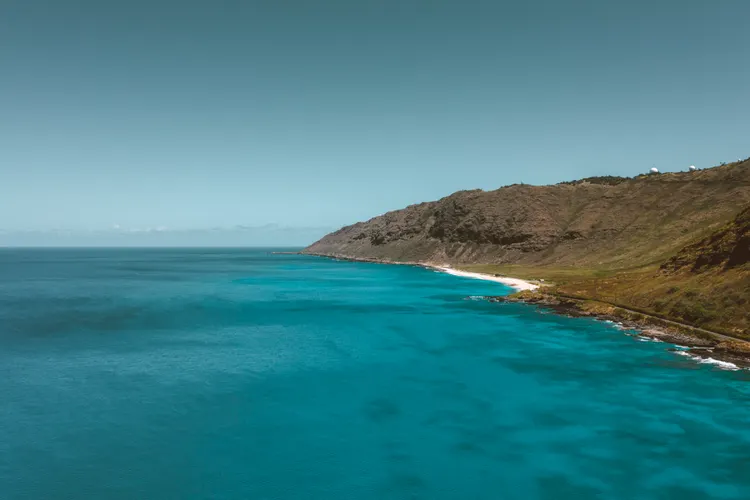
Where to Stay in Oahu: Best Areas, Hotels & Resorts (2026)
26 min readYndira W. Tonin
Deciding where to stay in Oahu comes down to one honest question, which version of yourself are you on this trip? The one who wants a hotel within barefoot distance of a mai tai and a surf lesson, or the one who wants to wake up to roosters, an empty beach, and a coffee shack run by a guy named Kawika.
The guide was reviewed and updated for 2026.
There is no wrong answer. There is only the answer that matches your trip, and the answer that leaves you driving 90 minutes twice a day, quietly resenting a rental car.
Here is the short version. Waikiki is the right base for most first timers. Ko Olina is for families and couples who want a resort, and if you have settled on a resort, our guide to the best resorts in Oahu names the picks by area. The North Shore is for people who want to slow all the way down. Kailua is the beach town local pick. And Honolulu's Ala Moana is where to stay on Oahu when you want walkable and cheaper.
Below is the long version, every area, who it is for, what it costs you in convenience, and the one mistake that quietly ruins a week here.
01
Where to stay in Oahu, in one minute
If you read nothing else, stay in Waikiki for your first trip. It has the most hotels, from budget towers to the ocean view Prince Waikiki, the easiest logistics, a swimmable beach out front, and you can do half the island without a car.
Want a pool, a kids' club, and quiet? Ko Olina, a resort bubble on the sunny west side, ideal if your plan is "stay put and unwind." Want surf culture and silence? North Shore, slow, scenic, and far from everything in the best way. Want a real Hawaiian town and the best beach on the island? Kailua, on the windward side, where you trade nightlife for bright blue water. Want to spend less and eat where locals eat? Ala Moana, a short hop from Waikiki without the beachfront markup.
And if you have got money to spend and noise to avoid, Kahala, the quiet, leafy luxury enclave just past Diamond Head, is the most relaxing base on the island.
Most people overthink this. Oahu is small, about 44 miles end to end, so even the "far" choices are an hour's drive, not another planet. Pick the vibe that matches your trip, book one base, and stop reading travel forums at 1 a.m.
The rest of this guide is just that decision, slowed down. Each area gets the honest treatment, who it is perfect for, who should skip it, what it actually costs you in driving time, and the small details, resort fees, parking, the legal rental maze, that the booking sites quietly leave out. Read the section that sounds like your trip, skim the rest, and you will have your base picked before your coffee's cold.
(You know who you are.)
Table of Contents
- Where to stay in Oahu, in one minute
- How Oahu is laid out, so the map makes sense
- Waikiki, where to stay in Oahu for first timers
- Ko Olina, lagoons, resorts, and families
- North Shore, where to stay on Oahu to slow down
- Kailua and the windward side
- Ala Moana and Honolulu, the budget smart base
- Kahala and Diamond Head, quiet money
- Hotel vs vacation rental on Oahu
- How many nights, and should you split your stay
- Where to stay in Oahu with family
- Getting around from each home base
- FAQ, where to stay in Oahu
02
How Oahu is laid out, so the map makes sense
Before you pick a hotel, picture the island as a clock with four faces. It takes ten seconds and it will save you a bad booking.
The south shore is Honolulu, Waikiki, and the airport, the busy, hotel heavy, where the action is side. Most visitors sleep here, and for good reason.
The leeward (west) side is Ko Olina and Kapolei, sunny, dry, resort country, about 25 miles west of the airport.
The North Shore is the top of the island, surf towns, farms, and one big resort, roughly an hour from Waikiki on a good traffic day (emphasis on good).
The windward (east) side is Kailua, Lanikai, and Kaneohe, green, and home to the beaches that make the postcards. The mountains catch the rain over here, which is exactly why it is so green and occasionally why you are damp.
Two more facts make the map click. First, almost everyone flies into Daniel K. Inouye International Airport in Honolulu, on the south shore, so Waikiki (about 20 minutes away) and Ko Olina (about 40) are your nearest landing pads, while the North Shore is the longest first night haul. Second, the Koolau mountain range runs like a spine down the middle of the island, which is why getting from the windward side to the leeward side means going over or around it, not straight across.
That is it. Four faces. The official Hawaii Tourism Authority guide to Oahu breaks the regions down further, but for choosing a base, the clock is all you need. Now let us match a face to your trip.
Where to base on Oahu
WaikikiEasiest
First timers, most hotels, a swimmable beach, no car needed.
Ko OlinaResort
Families + resort people, calm lagoons, pools, sunny west side.
North ShoreQuiet
Slow down, surf towns and silence, an hour from town.
KailuaBeaches
The best beaches and a real Hawaiian town on the green windward side.
Ala MoanaValue
Budget smart, minutes from Waikiki, local prices, no beachfront markup.
KahalaLuxury
Quiet money, leafy luxury just past Diamond Head.
03
Waikiki: where to stay in Oahu for first timers
What a Waikiki stay really costs
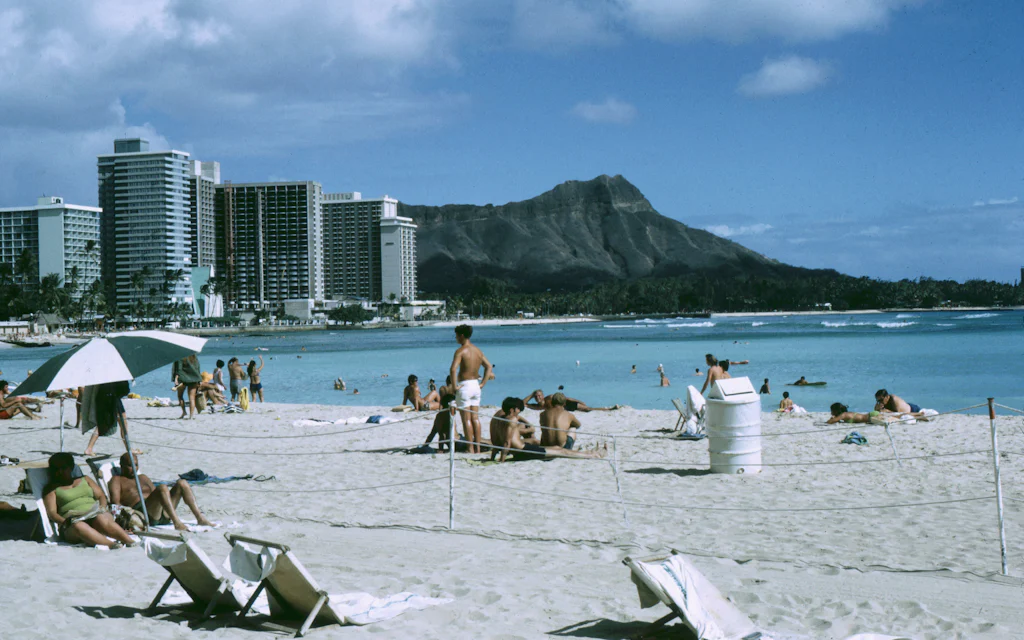
If this is your first time and you want to argue with me about it, save your energy, stay in Waikiki. This two mile stretch of Honolulu holds the biggest concentration of hotels in Waikiki (also on Booking.com) and resorts in the entire state, and that density is a feature, not a flaw.
Here is what it buys you. A calm, swimmable beach out the front door. Hundreds of restaurants within walking distance. Surf schools, ABC Stores on every corner (you will visit one within 20 minutes of landing, it is the law), and easy bus and tour access to the rest of the island. You can land, drop the bags, and be in the water before your sunscreen even has feelings about it.
Waikiki has two ends, and knowing the difference is worth real money. The Kuhio and Lewers end (toward the canal and Fort DeRussy) is the loud, central, shop and party heart, closest to the most restaurants and the cheapest rooms. The Diamond Head end (the Kapahulu and Gold Coast side) is calmer, leafier, and a touch pricier, with the crater looming at the end of the street. Honeymooners drift east. Spring breakers drift west. Book to match.
Prices swing wildly with that one block of distance and that one word, "oceanfront." A garden view room a street back from the sand can cost a fraction of the beachfront tower next door, and you will be in the same ocean within a four minute walk. Unless your trip is built around the balcony, save the money and spend it on something that moves.
The trade off is people. Waikiki is busy, built up, and proud of it. The beach gets crowded, Kalakaua Avenue hums until late, and your "ocean view" might technically mean "ocean visible if you lean off the balcony and trust your hips." Read the room, and the room description, before you book.
Pick Waikiki if you want maximum convenience, nightlife, dining, and zero patience for logistics. It is also the cheapest place to skip a rental car entirely, which can save you $50 a day and the unique heartbreak of Oahu parking. The neighborhood is small, flat, and walkable end to end in about 25 minutes, so your own two feet handle most of a Waikiki day.
One non-negotiable Waikiki move, get out on the water at golden hour. A small group sunset catamaran sail leaves right off the beach, and watching the Waikiki skyline light up from the water, drink in hand, Diamond Head glowing, is the single best two hours most first timers do not book until it is too late.
★4.9(2,336)
Waikiki Sunset Cocktail Sail on the Moana Catamaran
2 hours
Free cancellation
from
$90
So book it early in the trip, not on your last night when the good sailings are full and you are left waving at the boat you meant to be on.
04
Ko Olina: lagoons, resorts, and families
The west side resort bubble
Twenty five miles west of the airport, the world goes quiet, dry, and suspiciously perfect. This is Ko Olina, a manicured resort enclave built around four man made lagoons, each a calm, swimmable half moon of sand that looks engineered for exactly one purpose, keeping small children from drowning while adults nap.
The Ko Olina resorts (also on Booking.com) are the headline. Aulani, Disney's Hawaiian resort, is here, along with a Four Seasons and a big Marriott, plus villas and vacation condos around the marina. It is polished, calm, and a genuinely great base for families and couples who came to relax, not to commute.
The lagoons are the magic. Protected, gentle, and lifeguarded, they are as close to a worry free ocean swim as Oahu offers, which is why Ko Olina ranks at the top of nearly every "best area to stay in Oahu for families" list, including the honest ones. They are numbered one through four, connected by a flat, stroller friendly path, and the snorkeling along the rocky edges is surprisingly decent for water this calm.
Around the lagoons you get a marina, a golf course, a clutch of restaurants, and a grocery option or two, enough that you genuinely never have to leave if you do not want to. That self contained quality is exactly why people love it and exactly why some people find it a little sealed off. Ko Olina is a beautiful resort bubble, and a bubble is the whole pitch. Just know going in that "stepping out for a hole in the wall plate lunch" is not really a Ko Olina move.
The trade off is distance. You are 45 minutes to an hour from Waikiki and downtown, and a solid 90 minutes plus from the North Shore. Ko Olina works best if your plan is mostly "stay put and enjoy the resort," with a few day trips, not "see all of Oahu every single day." Do the second thing from here and you will spend your vacation memorizing the H-1.
Those flat lagoons are also, not coincidentally, our most booked beach for a private sunset picnic, golden hour on the leeward side hits the water just right, and a styled setup for two starts at $349. Consider that your one shameless plug. We now return to your regularly scheduled travel advice.
05
North Shore: where to stay on Oahu to slow down
When to base up north
Winter (Nov, Feb)
Surf season
- Legendary big wave surf
- Pipeline + Sunset on show
- Rough, watch do not swim ocean
- Pro contests and crowds
Summer (May, Sep)Our pick
Calm season
- Glassy, swimmable water
- Snorkeling at Shark's Cove
- Turtles at Laniakea
- Quieter, gentler vibe
The North Shore is where Oahu exhales. If Waikiki is a city that happens to have a beach, the North Shore is a beach that grudgingly allows a few towns. This is farm stands, food trucks, shave ice in Haleiwa, sea turtles asleep on the sand, and not much else, which is the entire point.
Where to stay on the North Shore is a short list, because that is how the locals like it. The Turtle Bay Resort in Kahuku is the one full service resort up here, perched on a dramatic point with a golf course and surf out the window. Beyond that, it is vacation rentals, cottages, and B&Bs tucked between Haleiwa and Sunset Beach.
The whole coast orbits Haleiwa, the old plantation and surf town that serves as its hub. This is your shave ice (Matsumoto's line is a rite of passage), your garlic shrimp trucks parked in the dirt, your boutiques and board shops and the one traffic light that backs up the entire highway on a sunny Saturday. Pull over at Laniakea and you will likely find green sea turtles hauled out on the sand like they pay property taxes.
The season changes everything. In winter (roughly November to February), the North Shore is a coliseum, Pipeline, Sunset, and Waimea Bay throw up giant, world famous surf, and the whole coast crackles with pro contests and spectators. Those same waves that look majestic from the sand will fold a casual swimmer in half, so winter here is for watching, not paddling out (unless you genuinely know what you are doing, in which case you did not need me to tell you). In summer, those same beaches go glassy and calm enough to swim and snorkel. Same sand, completely different animal.
Pick the North Shore if your dream vacation is slow mornings, empty roads, and a sunset you do not have to share. Skip it if you want nightlife, a buffet of restaurants, or anything resembling a quick drive to the airport, it is the farthest base from everything, and the North Shore two lane road can crawl on a busy beach day.
No car and still want a taste of it? A circle island day tour from Waikiki loops the North Shore, the windward coast, and the turtle beaches in a day, the smart move for people basing in town who want one big island day without the drive stress.
06
Kailua and the windward side
Trade nightlife for bright blue
Cross the Pali tunnels to the windward side and you land in Kailua, a leafy, low key beach town with what is, in the genuinely not exaggerating sense, one of the best beaches in the state. Kailua Beach and neighboring Lanikai are soft white sand and that absurd, photoshopped looking bright blue, the color that makes people back home assume you used a filter.
Here is the catch, and it is a big one for planning. Kailua has almost no hotels. It is a residential town, and after Oahu tightened its rules on short term rentals, the legal vacation rental supply here shrank hard. What is left is a handful of small inns, B&Bs, and the surviving permitted rentals, which book out early and are not cheap.
So Kailua is for a specific traveler, someone who wants a real neighborhood over a resort, who'll happily trade nightlife for a 6 a.m. swim before the Kailua and Lanikai crowds arrive, and who plans ahead enough to lock lodging months out.
What Kailua does have is a genuinely livable town center, a Whole Foods, real coffee shops, Buzz's old school steakhouse, farmers markets, and bike rental shops, wrapped around two of the prettiest beaches in Hawaii. Mornings here are the reward, rent a kayak and paddle out to the Mokulua islands offshore, or just walk the sand before the day trippers stream in over the Pali. Parking near Kailua and Lanikai is tight and fiercely guarded by the neighborhood, so an early start is not just nice, it is strategy.
You are about 30 minutes from Waikiki over the mountains, close to Lanikai's pillbox hike and the windward coast, and surrounded by some of the best beaches on Oahu. Pack a good reef safe sunscreen, it is the law in Hawaii, and the windward sun is a closer that never misses.
If you cannot get a bed in Kailua, do not force it. Base in town and visit for the day, you get the beach without paying windward rental prices or playing the permit lottery.
07
Ala Moana and Honolulu: the budget smart base
Just west of Waikiki, the Ala Moana neighborhood is the move for travelers who want to be close to the action without paying beachfront Waikiki prices for the privilege. It is anchored by Ala Moana Center, one of the largest open air malls anywhere, and a surprisingly good beach park that locals actually use.
Hotels here tend to run cheaper than their Waikiki cousins a few blocks east, and you are still a short bus ride, rideshare, or 20-minute walk from Waikiki Beach. You also get more local restaurants and fewer "$9 for a coffee" tourist markups, which adds up fast over a week.
Ala Moana Beach Park itself deserves a mention. It is a long, calm, protected stretch favored by locals for morning swims and after work picnics, with grass, shade trees, and none of the Waikiki elbow to elbow crush. Wake up here and you can be in flat water before the tour buses even leave their garages.
Push a little farther into Honolulu proper, downtown, Chinatown, Kakaako, and you trade beach access for city. This is where to stay on Oahu if you care more about food halls, art, and nightlife than sand out the door. Kakaako in particular has gone from warehouses to murals, breweries, and some of the best eating on the island, it is the neighborhood where you will find the cool little coffee bar, the ramen counter with a wait, and a wall of street art behind every parked car.
The trade off is simple, you are not steps from the water. For a beach first Hawaii trip, that matters. For a food and culture trip, it is a feature. Either way, you are central, close to the airport, close to Waikiki, and close to the on ramps for day trips in every direction.
Budget travelers, this is your sweet spot. You get Honolulu's location and dining without Waikiki's resort surcharge, and you can put the savings toward an actual experience, a luau, a dive boat, a nicer dinner, instead of a marginally better view of the same ocean.
08
Kahala and Diamond Head: quiet money
Just east of Waikiki, on the far side of Diamond Head crater, the energy changes from neon to hushed. This is Kahala, Oahu's quiet money neighborhood, all leafy streets, oceanfront mansions, and the kind of calm that costs extra.
The Kahala Hotel & Resort is the marquee address, a storied, low rise luxury property on its own beach, far enough from Waikiki to feel like a hideaway, close enough to be there in ten minutes. It is long been the discreet choice for celebrities and honeymooners who want the polish without the crowds.
The adjacent Diamond Head and Kaimuki areas split the difference between Waikiki convenience and residential calm. You are minutes from the beach and the famous Diamond Head hike, but you sleep on a quiet street, and Kaimuki has quietly become one of Honolulu's best dinner neighborhoods.
There is a beach here most visitors never find, too. Kahala's shoreline is calm, shallow, and almost eerily empty compared to Waikiki ten minutes away, the locals know, and the locals are not telling. For a certain kind of traveler, an uncrowded beach within striking distance of the city is worth more than any rooftop bar.
Pick this side if you want upscale and serene, and you are not booking on a backpacker budget. Skip it if you want to roll out of bed onto the sand or you want walkable nightlife, this is a "drive to dinner" kind of quiet, and that is exactly what its fans love about it.
It is the smallest slice of the where to stay in Oahu pie, but for the right traveler, money to spend, noise to avoid, it is the most relaxing base on the island.
09
Hotel vs vacation rental on Oahu
Hotel vs vacation rental on Oahu
HotelOur pick
Waikiki + the resorts
- Front desk + daily housekeeping
- Beachfront and big pools
- Resort fees + paid parking
- Best for first trips and short stays
- Legal island wide
Vacation rental
Outside the resort zones
- A kitchen and more space
- Often cheaper per night for groups
- Best for families and longer stays
- Oahu cracked down on short term rentals
- Verify the permit is legal before you book
This used to be a simple coin flip. It is not anymore, and the reason matters before you book a thing.
Oahu has cracked down hard on short term rentals. The legal, no asterisk vacation rentals are now concentrated in resort zoned areas, Waikiki, Ko Olina, and Turtle Bay, where short stays are allowed outright. Outside those zones, the rules have tightened and bounced through the courts, and a lot of the old Airbnb supply in residential neighborhoods like Kailua is either gone or legally murky. You can read the city's own short term rental rules if you enjoy municipal code (no judgment).
What that means in practice, if you want a legal vacation rental, look inside the resort zones, and confirm the listing is properly permitted before you pay. A too good to be true price in a residential neighborhood is sometimes a listing that is one enforcement sweep away from cancelling your trip.
One more thing the listing price will not tell you, the fees. Many Waikiki and resort hotels tack on a daily "resort fee" (often $40 or more) plus paid parking on top of the nightly rate, so the number you saw at booking is not the number you pay. Vacation rentals, meanwhile, hit you with a one time cleaning fee that can be brutal on a short stay and trivial on a long one. Do the math on the total, nights and fees together, before you decide either way.
When a hotel wins, first trips, shorter stays, Waikiki bases, and anyone who values daily housekeeping, a front desk, and not thinking about anything. When a rental wins, families and groups who want a kitchen and space, longer stays, and resort zone condos in Ko Olina or Turtle Bay where the legality is clean and the cleaning fee spreads out over a week.
My honest take, for a one week first trip, just book the hotel. The marginal savings on a rental rarely survive the cleaning fee, the grocery run, and the time you spend playing amateur zoning lawyer. Save the rental for the longer, slower second trip, the one where you already know which side of the island is yours.
10
How many nights, and should you split your stay
Plan the nights, not the chaos
- 14 nights
The minimum
Doable if you are efficient, hit the highlights, skip the downtime.
- 25 to 7 nights
The sweet spot
Big sights, a few beaches, and time to actually relax.
- 3One base
Do not split
The island is small enough to day trip everywhere from one home base.
Here is the opinion I will defend to anyone, for a one week Oahu trip, do not split your stay. Pick one base and own it.
The island is roughly 44 miles long. You can drive Waikiki to the North Shore in about an hour, Waikiki to Ko Olina in 45 minutes, Waikiki to Kailua in 30. There is no corner of Oahu you cannot reach on a day trip from a central base. Splitting your week between two hotels means a wasted half day repacking, re parking, and re checking in, a half day you flew 2,500 miles and gave up real money to have.
The honest exception is a two week trip, or a trip built around one specific vibe. If you have got 10-plus nights, splitting Waikiki and the North Shore can be lovely, bookend a busy first week with a slow second one. For a week or less, one base, full stop.
How many nights total? Oahu rewards 5 to 7. Four is enough to hit the highlights and leave wanting more. Anything under three and you are really just doing Honolulu and Waikiki, which, fine, but you are leaving the best of the island on the table.
A reasonable week from a Waikiki base looks like this, a couple of relaxed Waikiki and Diamond Head days to shake off the flight, one big North Shore loop, one windward day in Kailua and Lanikai, one ocean day on a boat, and an afternoon or two left deliberately empty. The empty afternoons are not a planning failure. They are the whole reason people come back from Hawaii looking like a different person, build them in on purpose.
If you have got two weeks in Hawaii and a second island in the plan, see the best island to visit before you lock the split, Oahu pairs beautifully with a slower neighbor.
11
Where to stay in Oahu with family
Where to stay with kids
Ko OlinaYoung kids
Four calm lagoons + Aulani, the most worry free ocean for little kids.
WaikikiAll ages
Walkable food, surf lessons, and a gentle beach for older kids.
North ShoreTeens
Space and turtles for laid back families who'll rent a car.
Traveling with kids changes the math, and on Oahu the answer is refreshingly clear, Ko Olina, then Waikiki.
Ko Olina wins for families with young kids, full stop. The man made lagoons are calm, shallow, and lifeguarded, you can let small humans splash without watching the horizon for rogue sets. Add resort pools, a kids' club at Aulani, easy parking, and restaurants on site, and it is the lowest stress base on the island for the under-10 crowd.
Waikiki is the strong second, and the better pick for families with older kids and teens. The beach out front is gentle, there is endless walkable food and shave ice, surf lessons are everywhere, and you can do a ton without buckling anyone into a car seat. The trade is crowds and energy, which teenagers tend to read as a feature.
A few quietly useful family moves, regardless of base,
- Book a room with a fridge or a kitchenette. Snacks at 6 a.m. are not optional. They are survival.
- Stay near a calm, swimmable beach, Ko Olina's lagoons or central Waikiki, not the big surf North Shore, which is gorgeous and absolutely not a toddler pool in winter.
- Build in pool and nap afternoons. Trying to sightsee through a jet lagged kid's meltdown is a tax on everyone within earshot.
Skip the North Shore and remote rentals as a home base with little kids unless slow is the entire goal, the drive times and the winter surf turn small logistics into big ones.
12
Getting around from each home base
Rough drive times around Oahu
Whether you need a rental car depends almost entirely on where you sleep, so decide the base first, then the car.
Stay in Waikiki and you can skip the car for most of the trip. The beach, dining, and nightlife are walkable. TheBus reaches much of the island. And rideshare plus the occasional day tour covers the rest. Renting a car you will park for $50-plus a day to use twice is how you donate money to a hotel garage. Rent one for the day or two you are actually exploring, and skip it otherwise.
Stay in Ko Olina, the North Shore, or Kailua and you will want a car. These bases are built around having wheels, groceries, beaches, and dinner are all a drive apart, and transit thins out fast the farther you get from Honolulu. Out here, a rental is not a luxury. It is the difference between a relaxing base and a marooned one.
Honolulu's newer Skyline rail is slowly expanding across the island's west and central stretches, and it is handy for some airport and Kapolei area trips, but it does not yet reach Waikiki, so do not plan your stay around it just yet.
A few honest cost notes, because they sneak up on people. Rental cars on Oahu often come with a daily hotel parking charge stacked on top of the rental rate, so a "cheap" car can quietly become an expensive one. Rideshare is plentiful in and around Honolulu but gets slow and pricey the farther out you go. And if you do rent, fill up before returning to the airport, the gas stations nearest Inouye know exactly what they have got and price accordingly.
The simplest rule, central base, minimal car. Far flung base, definitely a car. Match the two and you will spend your time on beaches instead of in traffic or at a bus stop squinting at a schedule.
FAQ: where to stay in Oahu
What is the best area to stay in Oahu for first timers?
Waikiki. It has the most hotels, a calm swimmable beach, hundreds of walkable restaurants, and the easiest access to tours and the bus, so first timers can do a lot without renting a car. It is busy and built up, but for a first Oahu trip the convenience is worth it.
Where should families stay on Oahu?
Ko Olina, for young kids. Its four calm, lifeguarded lagoons are about as worry free as ocean swimming gets, and the resorts (including Disney's Aulani) are built for families. Waikiki is the strong second pick, especially for families with older kids who want walkable food and surf lessons.
Is it better to stay in Waikiki or the North Shore?
Different trips. Waikiki is convenient, lively, central, and packed with hotels and dining. The North Shore is quiet, scenic, surf focused, and far from everything. First timers and busy itineraries do better in Waikiki. People who want to slow down and do not mind the drive love the North Shore. For one week, most visitors should base in Waikiki and visit the North Shore for a day. Either way, line up the days with our best activities in Oahu guide.
Do I need a rental car in Oahu?
Only if you stay outside Waikiki. In Waikiki you can walk, take TheBus, use rideshare, and book day tours, no car needed most days. In Ko Olina, on the North Shore, or in Kailua, a car is close to essential because everything is a drive apart and transit is thin.
Can you stay in Kailua or Lanikai?
Yes, but lodging is limited. Both are residential beach towns with very few hotels, and Oahu's tightened short term rental rules shrank the legal vacation rental supply. Expect small inns, B&Bs, and a handful of permitted rentals that book out early and run pricey. Many visitors base in Waikiki and visit Kailua and Lanikai for the day instead.
How many days do you need in Oahu?
Five to seven nights is the sweet spot, enough for the big sights, a few beaches, and some downtime. Four works if you are efficient. For a one week trip, pick one base rather than splitting your stay. The island is small enough to day trip everywhere from a central home base.
Where is the cheapest place to stay on Oahu?
Ala Moana and greater Honolulu, just west of Waikiki, generally offer the lowest hotel rates while keeping you close to the action, you are a short walk or bus ride from Waikiki Beach without paying beachfront prices. Hostels and budget hotels (also on Booking.com) cluster here and on the edges of Waikiki. The farther you get from the sand, the more your money stretches, so a few blocks inland is the simplest way to cut the nightly rate.
Which side of Oahu has the best beaches?
The windward (east) side, Kailua and Lanikai, gets the nod for soft white sand and bright blue water, while the North Shore wins for dramatic surf in winter and calm swimming in summer. Waikiki's beach is the most convenient and the easiest to swim. If beaches top your list, base near the windward side or plan day trips there from town.
Pick the base that matches your trip, book one place, and spend the energy you saved on the water instead of the road. The best place to stay on Oahu is not the one with the highest star rating, it is the one that puts you closest to the version of this trip you actually came for.
And if that version includes a table on the sand at golden hour, well, you know a guy.
Disclosure: Some links on this page are affiliate links. If you book or buy through them we may earn a small commission, at no extra cost to you. As an Amazon Associate, we earn from qualifying purchases.