Things to Do in Honolulu Hawaii: The 15 Best in 2026
17 min readYndira W. Tonin
The best things to do in Honolulu Hawaii in 2026 are Waikiki Beach, a sunrise Diamond Head hike, Pearl Harbor, Iolani Palace, and Hanauma Bay, and four of those five now require reservations, fees, or both. That is the part every guide skips.
This list covers the 15 stops worth your time, the exact booking windows as of July 2026, real prices, and the traps to skip. If you are visiting for the first time, the true essentials are fewer than the brochures claim, and cheaper too, once you know which lines to dodge.
01
The Honolulu Hawaii icons, starting at Waikiki Beach
1. Waikiki Beach mornings
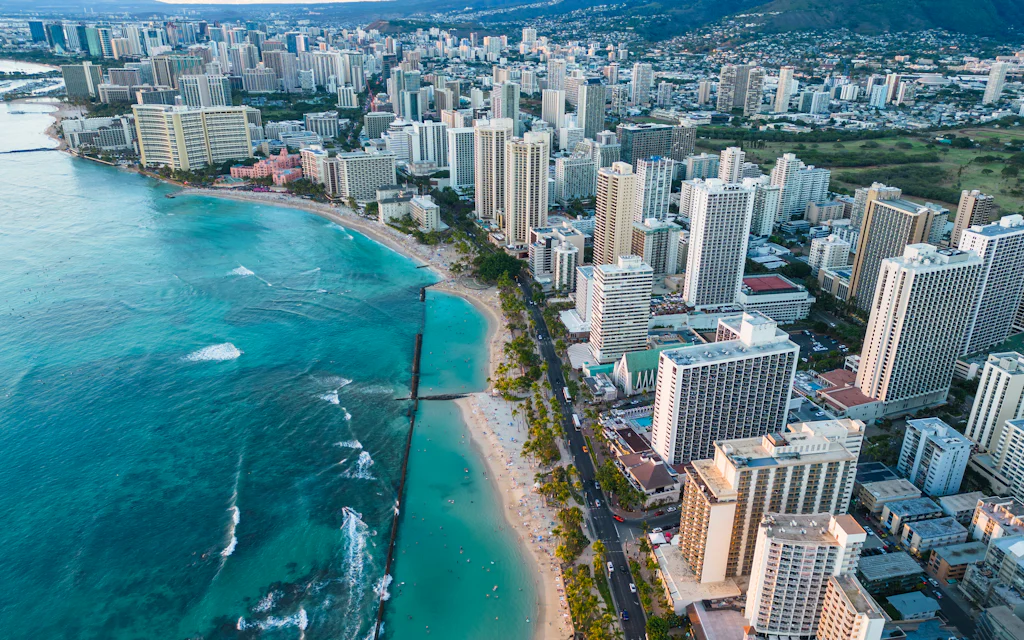
Start where everyone starts, because everyone is right. Waikiki Beach is one of the most famous beaches in the world, two miles of protected, swimmable Pacific Ocean water with gentle year round waves, and a first time surf lesson on the same break Duke Kahanamoku rode is still the best morning in the city. The legacy lives on Kalakaua Avenue, where his 9 foot bronze statue has worn fresh lei since 1990.
The beach is free, open all hours, and packed from 10am to 2pm. Walk it at 7am instead and you get the whole postcard in full sun, plus the surfers, minus roughly forty thousand people. Behind you the Moana Surfrider finished renewing all 791 rooms in May 2026 for its 125th birthday, which makes the hotel older than most of the beach sand, because the sand arrives by barge.
Anchor the walk with the iconic pink Royal Hawaiian on one end and the calm Duke Kahanamoku Lagoon on the other, a man made swimming pool of ocean that toddlers and nervous swimmers treat as a personal spa.
The people watching alone is half the fun, and the aloha is genuine even where the prices are not. Hotel pools are fine, but nobody flies six hours for a pool. Beginner surf lessons run right off the sand, on waves that practically apologize before they break, and Island Vintage scoops organic shave ice at the Royal Hawaiian Center for about $12, which comfortably feeds two.
A surf lesson is the one paid activity worth booking on day one, the beachfront bars run happy hour before the light show, and the sunset itself does not charge. The classic second act is a catamaran off the same beach.
★4.9(2,336)
Waikiki Sunset Cocktail Sail on the Moana Catamaran
2 hours
Free cancellation
from
$90
2. Hike Diamond Head at sunrise
Diamond Head is 1.6 miles round trip, 560 feet up, and the whole city plus the Pacific from the summit rail. The catch is bureaucratic now. Diamond Head State Monument requires reservations for out of state visitors, released 30 days ahead, $5 a person plus $10 to park, and you must arrive inside the first 30 minutes of your window or the gate can turn you away.
The money move is getting dropped off, your $5 entry reservation still applies, but the $10 parking fee and its separate reservation disappear. The tip that matters is the 6am slot, summit by 7, eating malasadas before the tour buses finish idling in. Gates run 6am to 6pm, last entry 4:30pm.
The location helps, the crater sits about 10 minutes from Waikiki by car, and the summit gives a different perspective on how small the resort strip really is. The crater was built into a coastal defense post in 1908, so the trail runs through a lit tunnel and up a spiral stair inside the rock, which children rank above the view. Go midday instead and one February visitor described the summit as feeling like the line at a theme park, which is a review nobody has ever left about 6am.
Getting to Diamond Head
Tap to open Google Maps with turn-by-turn directions.
3. KCC Farmers Market on Saturday
The Saturday market at Kapiolani Community College sits at the base of Diamond Head, 7:30 to 11am, about 100 vendors. Locals will tell you the good stuff is gone by 10, and locals are correct. Hike the crater first, then make this the recovery stop, something fried in one hand and tropical fruit you cannot pronounce yet in the other.
It is the best single taste of what Oahu farms actually grow, the easiest spot to eat like a local, and the bus reaches it if the legs refuse. Expect to be surprised by the macadamia and coconut everything, delicious and priced like souvenirs.
Four icons, four booking clocks
Diamond HeadBook first
30 days ahead on the state parks site. $5 entry, $10 parking, arrive inside your first 30 minutes.
Hanauma BayFastest sellout
2 days ahead, 7:00am HST sharp. $25 age 13+, slots gone within minutes. Closed Mon and Tue.
USS ArizonaTwo windows
3:00pm HST releases, 8 weeks out and the day before. $1 fee, the boat program itself is free.
Iolani PalaceEasy win
Online only, no walk ups, Tuesday to Saturday. Audio tour $28, docent led $34.
02
Pearl Harbor, done right
4. The USS Arizona Memorial
Pearl Harbor is free to enter and the USS Arizona boat program is free to attend, but tickets are reservation only through Recreation.gov at $1 each. They release at 3pm Hawaii time in two waves, 8 weeks ahead and one day ahead, and the day before wave is the realistic one for most trips. A daily standby line serves the unreserved.
The memorial stands over the ship where 1,177 crewmen died on December 7, 1941, and 1,102 remain entombed below. Boats run every 15 minutes from 8am to 3:30pm and the full program takes about 45 minutes. Arrive an hour before your slot, the visitor center opens at 7am, and book a morning boat because afternoon wind cancels shuttles.
5. The USS Missouri and the Bowfin submarine
The battleship USS Missouri, where the war formally ended, and the USS Bowfin submarine are separate paid museums along the same harbor, joined by the Pearl Harbor Aviation Museum on Ford Island, and together with the free memorial they fill a full day. Parking at the visitor center is $7, and the bag rule is strict, anything larger than a small clutch goes to paid storage at the entrance. If you have one morning, the Arizona program is the essential piece.
How the $1 ticket actually gets booked
- 18 weeks out
3:00pm HST on Recreation.gov
45 tickets per boat slot, set a calendar alarm for the release day
- 2The day before
3:00pm HST second wave
30 tickets per slot, the realistic window for most trips
- 3Trip day
Standby line
Register at the visitor center, morning boats dodge the afternoon wind
- 4At the gate
The bag rule
Anything bigger than a small clutch goes to paid storage, about $7
03
Royal and historic Honolulu
6. Iolani Palace
Iolani Palace is the only royal palace on American soil, and it is a better hour than most people expect. The self led audio tour runs $28 for adults, docent led $34, tickets online only with no walk ups, Tuesday through Saturday.
The basement galleries stay closed for renovation until late 2026, and the two main floors carry the tour without them. The location shares a lawn with the state capitol, so the whole history block walks in twenty minutes.
Built in 1882 for the Hawaiian Kingdom, the palace had electric lights four years before the White House got theirs, a fact the tour mentions early and often, and has earned. For the fully committed there is a $125 White Glove Tour on Thursdays, 90 minutes of archives most visitors never see.
The 1893 overthrow of the monarchy happened on these grounds, and the tour carries that history with the weight it deserves. It is the deepest single hour of Hawaiian culture in the city.
7. Chinatown, eaten properly
Exploring Chinatown works best as a lunch mission. Maguro Brothers inside the Kekaulike market cuts some of the best ahi in the city until 2pm, Fete on Hotel Street holds Hawaii's first James Beard Best Chef win in 19 years, and its sister bakery and wine bar Mille Fete covers dessert. One 2026 update to know, The Pig and The Lady moved to Kaimuki after 12 Chinatown years, so the pilgrimage address changed.
The neighborhood loses restaurants and gains them in the same season, Lucky Belly and Livestock Tavern still hold Hotel Street, and the smart play is to try whichever counter has a line of office workers at 11:45am.
Before leaving, the lei stands on Maunakea Street sell the real thing for a fraction of hotel lobby prices, and watching the makers work is free. At night downtown Honolulu, Oahu office country, empties fast. Locals recommend door to door rideshare for dinner, and that advice is worth taking.
8. Bishop Museum
The Bishop Museum holds the largest Polynesian cultural collection in the world plus a planetarium for $3 more, located on Bernice Street a short drive from Waikiki. Adult admission floats with the calendar in 2026, and the fix is permanent, 20 percent off online with code MAHALO20, published by the museum itself, so the discount is sanctioned frugality. Open daily 9am to 5pm, and the hall of Hawaiian culture alone is worth the ticket.
Honolulu museum admissions as of 2026
Iolani PalaceThe essential
$28 self led audio, $34 docent led. The only royal palace on US soil.
Bishop MuseumRainy day king
Dynamic pricing by the day. Code MAHALO20 takes 20 percent off online. Planetarium adds $3.
Honolulu ZooWith kids
$21 adults, $13 kids 3 to 12. Entry 10am to 3pm, grounds close 4pm.
Waikiki AquariumOne easy hour
$12 adults, $5 kids 4 to 12. Small, walkable from any Waikiki hotel.
Foster Botanical GardenSleeper
$5 adults. The cheapest old growth shade in the city.
04
Coral reef mornings
9. Hanauma Bay
Hanauma Bay is the best beginner snorkeling in the Hawaiian Islands, a volcanic bowl full of marine life, and the hardest ticket in Honolulu. Non residents 13 and older pay $25, and reservations open exactly 2 days ahead at 7am Hawaii time, selling out within minutes. The bay closes every Monday and Tuesday, and entry runs 6:45am to 1:30pm only.
The math explains the panic, roughly 400 online slots exist against a daily cap near 1,400, with the rest held for walk ins and packages. Two workarounds exist as of 2026. Roberts Hawaii sells entry plus shuttle packages a full month ahead, and kids 12 and under enter free once you land a slot.
Once inside, claim sand early, the morning sun and the calmest water both burn off by noon. Stay off the coral while you float, it is alive, and the bay spent decades recovering from the era when nobody knew that.
Bring your own snorkel gear and reef safe sunscreen, which is the law in Hawaii, because the morning window is short and the rental line eats it. Roberts holds slots for travelers who plan, everyone else refreshes. If the 7am refresh defeats you twice, the Lanikai reef forgives, and its clear waters ask nothing of your alarm clock.
10. Ala Moana Beach Park
Ala Moana Beach Park is where Honolulu actually swims, a half mile of flat calm water behind a protecting reef, free parking, and a sunset crowd of locals with hibachis around the picnic area, and nobody has bothered to invent a fee for any of it yet. No reservations, no fees, no line, just locals who came to relax, which in 2026 Honolulu qualifies as a luxury amenity. The Magic Island loop at the park east end adds an easy sunset walk, and for the photos, Diamond Head poses across the water on cue.
Directly across the street sits Ala Moana Center, the largest open air shopping center in the country with everything under one roof, useful mostly for its food halls and for the day it rains sideways. Do the beach, then the shopping, never the reverse. Locals run the Magic Island loop at dawn, families claim the picnic tables by nine, and the whole park is the city exhaling on a weekend.
Beating the 7am reservation clock
- 12 days out, 6:55am
Log in and hover
Slots open 7:00am HST and sell out within minutes
- 2Plan B
Roberts Hawaii package
Entry plus round trip shuttle, bookable a month ahead since late 2025
- 3Entry day
6:45am to 1:30pm only
$25 age 13+, kids 12 and under free, parking $3 in cash
- 4Monday + Tuesday
Closed, every week
The reef rests two days a week, plan the itinerary around it
05
Eat like you live on Kapahulu Avenue
11. The Kapahulu food run
Kapahulu Avenue runs inland from the Honolulu Zoo and feeds you every hundred yards, so arrive hungry and leave room for the box, the variety on one avenue embarrasses most food halls. Leonard's Bakery has fried malasadas since 1952, $2.75 filled, boxes of six from $13.50, and the box is the correct order. Ono Seafood builds poke bowls to order for about $13 to $15 with a free canned drink, Rainbow Drive-In plates its $15.50 loco moco, two scoops of rice under the gravy, and a $16.75 teriyaki beef mix plate at outside walk up tables, the way it has since 1961, and Waiola Shave Ice finishes the job one street over.
Spam musubi comes from Musubi Cafe Iyasume back in Waikiki, garlic shrimp waits at the food truck lots, and Ululani's scoops Maui born shave ice a few doors up for anyone running a comparison.
There is always a line somewhere on this avenue, and it is always worth standing in. No kitchen, no reservations, no regrets.
For the deeper Hawaiian food education, Helena's in Kalihi has cooked it since 1946 and holds a James Beard award for it, delicious enough to excuse the detour. New in March 2026, Leonard's parked a Malasadamobile near the airport selling travel packs with the sugar bagged separately, the most Hawaiian solution to a TSA problem yet engineered.
One avenue, five institutions, 2026 prices
Leonard's BakeryThe anchor
Filled malasadas $2.75, boxes of six from $13.50. Daily 5:30am to 7pm since 1952.
Ono SeafoodPoke
Poke bowls made to order, about $13 to $15 with a free canned drink. Closed Sun and Mon.
Rainbow Drive-InPlate lunch
Loco moco $15.50, mix plate $16.75. Daily 7am to 9pm since 1961.
Marugame UdonLine hack
Bowls from $6.49 in Waikiki. Hit 2 to 4pm and the hour long line is 15 minutes.
Waiola Shave IceFinish here
Daily 11am to 6:30pm. The after beach ritual, one street off the avenue.
06
Hiking trails and day trips
The city empties into the rest of Oahu, Hawaii's most visited island, faster than first timers expect.
12. Manoa Falls
Manoa Falls is the rainforest everyone pictures, an easy 1.6 mile round trip to a 150 foot waterfall through banyans and bamboo. Families who went with kids loved the trail and call the valley nicer than a movie set, which is nearly literal, Jurassic Park borrowed the feel of these ridges.
The trail is free, the Paradise Park lot charges $7, and the mud is not optional, especially after rain, so wear shoes you have stopped loving. TheBus Route 5 gets you to the trailhead without a car.
13. Koko Crater railway stairs
Koko Crater is 1,048 railroad ties straight up an old tramway, roughly 1,100 feet of steep gain in under a mile. Free, brutal, and beloved, the sunrise crowd treats it as a rite of passage because misery enjoys company, and the exposed bridge section midway has a walk around for anyone whose sense of adventure has a floor clause.
The city sealed the summit bunker openings in late 2025 and the Kokonut Koalition keeps the ties in place on volunteer support alone. Start by 7am before the staircase becomes a convection oven, especially in July and August, and pack twice the water you think the sun requires. Bring someone who counts the steps out loud, every summit story needs a villain.
14. Kualoa Ranch and the movie valley
Kualoa Ranch is the Jurassic Park valley 40 minutes up the windward coast, and its activities genuinely earn the drive. The ranch offers movie site tours, ziplines, ATV and UTV rides, horseback walking tours, and the private feeling Secret Island beach experiences. Skeptics note you can see the same ridgeline free from Kualoa Regional Park across the road, with the Mokolii islet posing offshore, which is true, though it is also how you end up watching other people zipline.
15. Kailua and Lanikai Beach
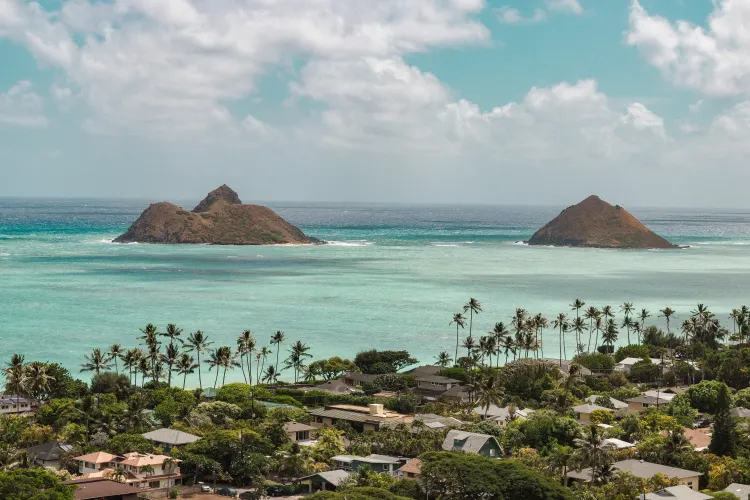
Kailua and Lanikai are the blue water getaway headed windward, powder sand, the Mokulua islets offshore, a relaxing pace Waikiki never manages, and waters so clear the kayaks look parked in mid air. The Hawaii forums call Lanikai their favorite beach on the island, and the forums are not wrong.
Car free, take Route 67 from Ala Moana and the 671 shuttle onward, or walk the 15 minutes along the shore from Kailua Beach. Outfitters in Kailua town rent kayaks for the Mokulua run, about 4 miles of open water round trip, and the islets ask for every one of them.
Two more evenings are worth planning around. The North Shore run to Haleiwa stacks the Matsumoto shave ice line, fruit stands, and the winter big wave spots, two hours by bus and half that by car.
And for a luau, know that Paradise Cove poured its last mai tai in December 2025 after 47 years, so the in town pick is now Ka Moana at Aloha Tower from $129, with Toa Luau at Waimea Valley from $115 anchoring the North Shore option. At the good ones the show is the experience and the buffet is the intermission, and Toa leans hardest into the culture.
07
What to skip in Honolulu
Half the things to do in Honolulu lists still open with Dole Plantation. Skip it unless pineapple soft serve justifies 45 minutes of driving each way, the visitor forums say it is a gift shop with demonstration fields, and the maze does not change that math.
Skip a rental car on days you stay inside Waikiki, the hotel lots charge $45 to $72 a night to hold it still. Skip the kiosk trinkets on Kalakaua Ave, what they offer was made 4,000 miles away, minimum.
The Aloha Stadium Swap Meet is a coin flip. It moved to the stadium upper lot in late 2025 while demolition crews take the old bowl down, and the forum verdict splits between worth it once for cheap souvenirs and skip it entirely, so go at the 8am open with cash or not at all.
The Haiku Stairs are a harder no. The Stairway to Heaven is closed, partially dismantled, tied up in three courts, and entering is illegal with real citations.
Worth the morning vs skip and save
Worth the morningOur pick
per the visitor forums
- Iolani Palace, called a trip highlight
- Koko Crater at sunrise
- Lanikai Beach, the island favorite
- KCC market before 10am
Skip and save
same forums, zero mercy
- Dole Plantation, a gift shop with fields
- Haiku Stairs, illegal and half removed
- A rental car on Waikiki only days
- Kiosk trinkets on Kalakaua Avenue
08
Getting around, and the 2026 transit upgrade
Honolulu finally connected its rail to the airport. Skyline's second segment opened in October 2025, and the new W Line express bus runs airport to Waikiki every 10 to 15 minutes for one bus fare, with one catch, each rider gets one carry on sized bag, so the recommended airport play is the W Line only when you pack light, with full suitcases riding the Roberts Hawaii shuttle at $29 or a $29 flat rate taxi. The W Line replaced the old Route 20 and runs roughly 34 to 40 minutes end to end.
In town, a $2 HOLO card caps your day at $7.50 across TheBus and the rail, single taps are $3 as of July 2026, and the 7 day pass is $45.
The cards sell at ABC Stores all over the Waikiki area, which means every 200 feet, so getting one is relatively painless. For most travelers the card math wins by day two, and the big attractions all sit on a bus line. Rideshare from the airport averages about $37 when the bus math loses to your luggage, and the Waikiki Trolley runs five themed lines from $6 a day if you prefer your transport narrated.
Outside Waikiki, TheBus covers the whole island for the same tap. Biki bikeshare exists but limps, vandalism cut the fleet from 1,300 bikes to under 500 this spring, so check the station map before planning around it.
One serious note that locals say until visitors listen. Never leave anything visible in a parked rental car, at any trailhead or beach lot, ever.
What getting around costs as of July 2026
FAQ: things to do in Honolulu
How many days do you need in Honolulu?
Three full days covers the city, five covers it comfortably. Day one is Waikiki and Diamond Head, day two Pearl Harbor and Chinatown, day three Hanauma Bay or the windward beaches. Extra days offer margin, and a week with friends adds the North Shore until the trip feels like a vacation instead of a checklist.
What can you do in Honolulu for free?
Half the best activities in the city are free. Waikiki Beach, Ala Moana Beach Park, the Kakaako murals built for social media and at peace with it, browsing the KCC market, Koko Crater, and the sunset from Puu Ualakaa on Tantalus, overlooking the whole city, where the gate closes around 7:45pm. The paid attractions above all run under $35 anyway, and even the Royal Hawaiian Band plays free at the Iolani Palace bandstand most Fridays at noon.
What to do in Honolulu when it rains?
Bishop Museum, Iolani Palace, and eating. The planetarium adds $3, the palace audio tour runs $28, and no restaurant on Kapahulu Avenue checks the weather. The Waikiki Aquarium turns $12 into a dry hour, Ala Moana Center absorbs the whole afternoon, and showers pass fast on the leeward side anyway.
Is Honolulu safe at night?
Kalakaua Avenue, yes, at any hour. It is lit, crowded, patrolled, and someone is always awake. After 10pm stay on the main streets, give Kuhio Avenue more care, and do Chinatown dinners door to door by rideshare.
When is the cheapest time to visit Honolulu?
September through mid December. A fall vacation simply costs less, hotels and flights drop, rental cars bottom out near $49 a day in October, and the ocean stays warm enough that nobody notices the word shoulder. Whales start arriving in December as a bonus, visible from the same beach walks above.
We run beach picnics on Oahu, so Honolulu is our home field, and this is the exact list we hand our own guests. Book the two reservations that matter, skip the pineapple maze, and let the aloha spirit find you on its own schedule.
Read this next: Things to do in Oahu, the full island list.
Cover photo, Spenser Sembrat on Unsplash.
Disclosure: Some links on this page are affiliate links. If you book or buy through them we may earn a small commission, at no extra cost to you. As an Amazon Associate, we earn from qualifying purchases.