Things to Do in Hawaii: 27 Bucket-List Picks by Island (2026)
17 min readYndira W. Tonin
The best things to do in Hawaii sort less by island and more by what kind of day you want. Want to get in the water? Snorkel a coral reef or learn to surf. Want to be awed? Watch an active volcano glow after dark or stand above the clouds at sunrise. Want to slow down? Sit on a beach until the sun drops into the Pacific.
All of this was last checked in 2026.
Hawaii does all of it, and the only real mistake is trying to cram every category into one trip.
Here is the honest way to think about it, pick a handful of experiences from the list below, match them to the island that does each one best, and leave room to do nothing. This guide is organized by experience first, snorkeling, volcanoes, hikes, beaches, sunsets, culture, food, and adventure, with a note on which island shines for each, so you can build a trip around what you actually care about instead of a checklist someone else wrote.
Table of Contents
- The best things to do, island by island
- Get in the water
- See an active volcano
- Hike to a waterfall or a ridge
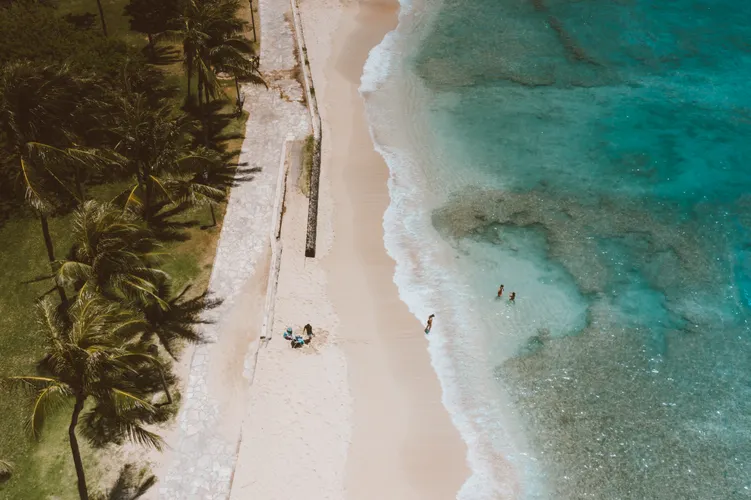
- Spend a day at the beach
- Watch the sunset
- Experience Hawaiian culture
- Eat your way around the islands
- Go on an adventure
- Free and cheap things to do
- The best thing to do on each island
- When to go and how to plan
- FAQ, things to do in Hawaii
01
The best things to do, island by island
Before the activity by activity rundown, the one paragraph version of who does what best.
Oahu is the all rounder, beaches, history, food, and the famous North Shore surf, with the easiest logistics in the state. Maui is the beaches and romance island, with the Road to Hana, the sunrise atop Haleakala, and the islands' best luau. Kauai is the wild, green one, built around the Na Pali Coast and Waimea Canyon. And the Big Island is the adventurer's island, home to an active volcano and the best stargazing in the country.
If you are still deciding where to go at all, our best island to visit in Hawaii guide compares them head to head. The activities below pull from all four.
If you only have one trip in you, match the island to the feeling you want, Oahu for variety, Maui for resorts and romance, Kauai for nature and quiet, the Big Island for adventure.
Then build the days around the experiences below, not the other way around. The best Hawaii trips start with "what do we want to feel" and work backward to where.
02
Get in the water
If you do one thing in Hawaii, get in the ocean, it is warm, clear, and full of life, and the water is the whole point of the place.
Snorkeling is the headline, and the reefs here are some of the most alive you will ever swim over. On Oahu, Hanauma Bay is the famous, beginner friendly reserve (reserve ahead). Across the islands, a guided snorkeling tour takes you to the best reef of the day with the gear handled. You will share the water with green sea turtles, parrotfish, and, if you are lucky, a reef shark minding its own business.
You do not need to be a strong swimmer to start, a calm, protected bay and a rented mask are enough, but you should always go with a buddy and check the day's conditions first.
Surfing was born here, and Waikiki's gentle rollers are the most forgiving classroom on earth for a first lesson. Whale watching is the winter showstopper, from December through March, humpbacks fill the channels, and a whale watching tour puts you close to 40-ton animals breaching off the bow.
And on the Big Island, the manta ray night snorkel off Kona is one of the most surreal experiences in all of Hawaii. Whatever you do, wear reef safe sunscreen and give the turtles their space, it is the law and it is the right thing.

Photo by Wexor Tmg on Unsplash
03
See an active volcano
This is the experience you cannot get anywhere else in the United States, and it belongs on the Big Island.
Hawaii Volcanoes National Park is a UNESCO World Heritage Site built around Kilauea, one of the most active volcanoes on earth. Walking through steam vents and old lava fields by day is remarkable on its own. If Kilauea is erupting during your visit, the sight of molten rock lighting up the night sky is something you will describe for the rest of your life. Check current conditions with the National Park Service before you go, since activity changes constantly.
The Big Island's other great after dark experience is the summit of Mauna Kea, nearly 14,000 feet up and above most of the planet's atmosphere, the clearest stargazing in the country. A Mauna Kea summit and stars tour handles the altitude, the cold, and the driving so you can watch the sunset turn the clouds pink and then stand under a sky absolutely thick with stars.
Bring a warm jacket. It is genuinely freezing up there, which feels absurd to pack for a beach trip until you are grateful you did.

Photo by Marc Szeglat on Unsplash
04
Hike to a waterfall or a ridge
Hawaii's trails range from paved strolls to genuine expeditions, and the payoff is always either a waterfall, a ridgeline, or a view that stops you cold.
On Oahu, Diamond Head delivers the postcard crater rim view for relatively little effort (reserve ahead as an out of state visitor), the windward pillboxes reward an early start with the best sunrise on the island, and Manoa Falls is a green, muddy rainforest walk to a 150-foot waterfall twenty minutes from Waikiki.
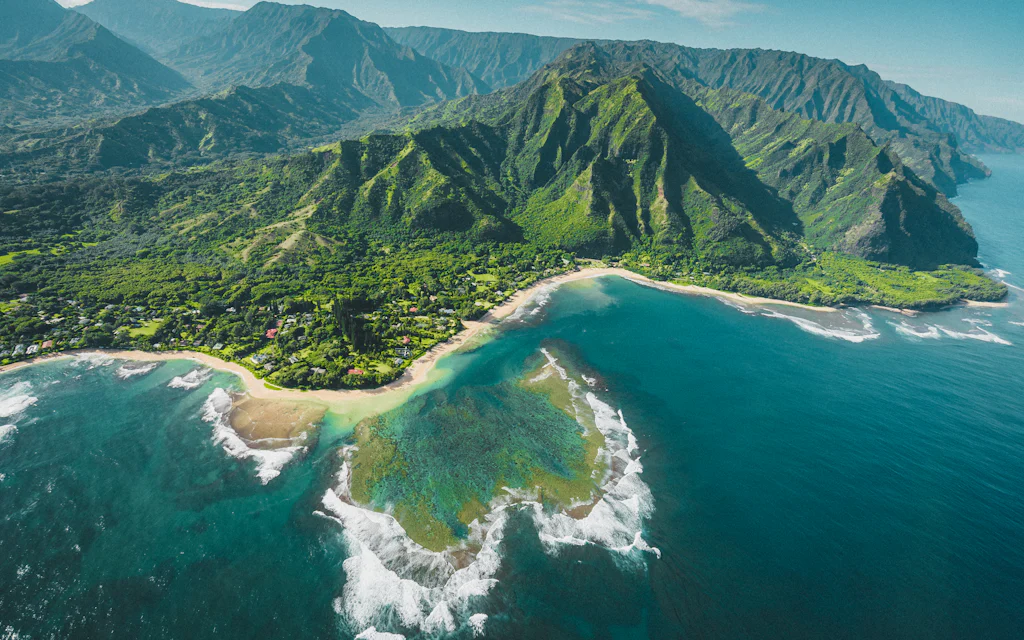
On Maui, the Road to Hana is a full day of one lane bridges, roadside waterfalls, and swimmable pools, and the bamboo forest of the Pipiwai Trail is otherworldly. On Kauai, the rugged Kalalau Trail along the Na Pali Coast is a bucket list hike for the fit and prepared, while Waimea Canyon offers the views without the suffering.
And on the Big Island, Akaka Falls is an easy, paved loop to a 442-foot cascade. Start every hike early, bring more water than you think you need, and wear shoes you do not mind ruining in the mud.
Two rules make every Hawaii hike better, start at opening to beat the heat and the crowds, and carry more water than feels reasonable, the sun is stronger than the cooling trade winds let it feel.
Check for trail closures and any permit or reservation requirements before you drive out, because the most popular trails increasingly need both.
05
Spend a day at the beach
Some of the best things to do in Hawaii cost nothing and ask nothing of you but a towel.
Each island has its signature stretches. On Oahu, the windward side around Lanikai and Kailua has the prettiest, calmest water, while the Ko Olina lagoons on the west side are the best for families, our best beaches in Oahu guide breaks them all down. Maui has the polished resort beaches of Wailea and Kaanapali. Kauai has the dramatic, less crowded sand of Poipu and Hanalei. And the Big Island has the genuine novelty of black sand and even green sand beaches.
The one rule that matters everywhere, respect the ocean and the season. In winter, the north facing shores get big, dangerous surf, so swim on the calmer south and west sides and never turn your back on the waves. Beach days are where Hawaii trips slow down and become memories, so do not over schedule them out of the itinerary.
A few universal rules carry across every island, swim where there are lifeguards, check the surf before you wade in, and never turn your back on a big wave.
In winter the north facing shores get powerful, genuinely dangerous surf, so swim on the calmer south and west sides instead. And pack reef safe sunscreen, the coral killing kind is banned in Hawaii, and the reef will thank you.
06
Watch the sunset
The single most reliable, most underrated thing to do in Hawaii happens every single evening, and it is free.
Find any west facing shore, arrive thirty minutes early, and stay twenty minutes after the sun is technically gone, because the loudest colors come last. On Oahu, the west side around Ko Olina and the whole south shore deliver it nightly. Our Oahu sunset guide has the times down to the minute. If you want the sunset on the water, a small group sunset sail pairs it with an open bar and the skyline going gold.
And if you want to turn an ordinary evening into the night of the trip, this is the one thing we do, a private beach picnic at golden hour, with the table set on the sand, dinner waiting, and nobody to pack up but you. It is the most romantic two hours Hawaii offers, and it needs no reservation at a restaurant with a view, the view is the restaurant.

Photo by Kazuo ota on Unsplash
07
Experience Hawaiian culture
It is easy to treat Hawaii as a beach and miss the place. Do not, the culture is the soul of the islands, and engaging with it honestly is one of the most rewarding things you can do.
Go to a luau for the food, the music, and the storytelling. On Oahu's North Shore, the Toa Luau at Waimea Valley is a more intimate alternative to the giant productions.
Stand at Pearl Harbor and the USS Arizona Memorial for the history that changed the century (reserve the free timed ticket ahead). Tour Iolani Palace, the only royal palace on American soil, for the moving story of the Hawaiian monarchy and its overthrow.
And learn what a lei actually means before you wear one, watch real hula rather than the hotel lobby version, learn to say and respect a few words of Hawaiian, and get the shaka, the islands' hand sign, right. On the North Shore of Oahu, the Polynesian Cultural Center brings six Pacific island cultures together for a full day of villages, demonstrations, and an evening show, while the Bishop Museum in Honolulu holds the best collection of Hawaiian history anywhere.
The aloha spirit is real, and it is extended most warmly to visitors who arrive curious and respectful, so slow down, ask questions, and treat the place as a living culture rather than a backdrop.
It costs nothing to be a respectful guest, and it quietly changes the whole trip, the islands open up to people who arrive curious instead of just hungry for a photo.
08
Eat your way around the islands
Hawaiian food is a reason to visit on its own, and most of the best of it is cheap and served from a window.
Eat at least one poke bowl straight from a market counter, one plate lunch (two scoops rice, mac salad, something grilled), and a spam musubi from a corner store with no apology. Get shave ice with ice cream and azuki beans underneath.
On Oahu's North Shore, the garlic shrimp trucks around Kahuku are the signature meal. In Waikiki, our best restaurants in Waikiki guide covers where the locals actually eat.
On the Big Island, tour a Kona coffee farm and taste why it is world famous. The rule across every island is the same, follow the line of locals, not the billboard, and you will eat better for a third of the price.
A starter list to chase across the islands, poke from a grocery counter, a plate lunch with two scoops rice and mac salad, garlic shrimp from a North Shore truck, malasadas while they are still warm, and Kona coffee straight from a Big Island farm.
Wash it down with a locally brewed beer and a shave ice, and call it a balanced meal. The one rule that never fails, if there is a line of locals and no billboard, get in it.
09
Go on an adventure
For the travelers who would rather do than relax, Hawaii has no shortage of adrenaline.
Take a helicopter tour over the Na Pali Coast on Kauai or the volcano on the Big Island for the views you simply cannot get from the ground. Zipline through the trees, skydive over Oahu's North Shore at Dillingham Airfield, or visit Kualoa Ranch on Oahu, where Jurassic Park and a hundred other films were shot, by ATV, horseback, or zipline.
If you would rather not drive, a full day circle island tour of Oahu strings the North Shore, the windward coast, and the lookouts together with someone else at the wheel.
On the water, you can kayak to the Mokulua islands off Kailua, stand up paddle a calm river, or scuba dive a shipwreck off Oahu. The point of all of it is the same, get out past the resort and let the island surprise you, the people who come home raving are almost always the ones who said yes to one thing outside their comfort zone.
★4.8(4,263)
Oahu Circle Island Tour with Waimea Valley Waterfall
8 hours
Free cancellation
from
$154

10
Free and cheap things to do
Hawaii has a reputation for being expensive, and the flights and hotels earn it, but a surprising amount of the best of the islands costs nothing at all.
Every beach is free, and the sand, the swimming, and the sunset can fill a week on their own. Most hikes are free, from Oahu's pillboxes to Akaka Falls on the Big Island. The USS Arizona Memorial at Pearl Harbor is free, you just reserve the timed ticket on Recreation.gov (a $1 reservation fee applies).
Watching the winter surf on the North Shore, spotting green sea turtles at Laniakea, wandering Haleiwa town or a farmers market, and catching the free Friday night hula and fireworks in Waikiki all cost nothing. Even the famous snorkeling at Hanauma Bay is only a few dollars to enter.
The pattern across the islands is simple, you pay for tours, tickets, and restaurants, but the landscape itself is on the house. Spend on the few experiences genuinely worth it, a volcano tour, a snorkel boat, one memorable dinner, and let Hawaii's scenery do the rest for free.
Budget travelers who lean into the free stuff often have the best trips, precisely because they spend their days outside instead of in line. On these islands, the headline attraction really is the landscape, and it never charges admission.
11
The best thing to do on each island
If you only have time for one signature experience per island, make it this one,
- Oahu: snorkel Hanauma Bay or catch the sunset from a west facing beach, and see our full things to do in Oahu guide for the rest.
- Maui: drive the Road to Hana, or watch the sunrise above the clouds atop Haleakala with a guided summit tour.
- Kauai: see the Na Pali Coast by boat, helicopter, or hike, it is the most dramatic coastline in the islands.
- Big Island: stand at the active volcano in Hawaii Volcanoes National Park, then stargaze atop Mauna Kea.
Each island deserves at least four days, so resist the urge to hop between them on a short trip.
If you are torn between islands entirely, our best island to visit in Hawaii guide puts them head to head.
And whichever you pick, leave a day with nothing on it. The most common Hawaii regret is never "I missed an attraction", it is "I never slowed down enough to enjoy the one I was standing on."
12
When to go and how to plan
The sweet spots are April to early June and September to early November, warm water, thinner crowds, and lower rates. Winter brings bigger surf and the whales. Summer brings the calmest water and the biggest crowds. Our best time to visit Hawaii guide has the month by month detail.
A few planning notes that save trips, book the big ticket reservations, Hanauma Bay, Diamond Head, Pearl Harbor, the popular tours, the moment you know your dates, because they sell out. Leave half your days unscheduled. The islands reward a slow afternoon more than a packed itinerary. And do not try to see everything in one visit. Hawaii is a place people come back to, and the best trips do a few things well rather than everything poorly.
One more planning truth, the islands reward early risers and early bookers. The best light, the calmest water, and the open parking spots all belong to the people who set an alarm.
So reserve the big ticket tickets the day you know your dates, get to the beach before the crowd, and make peace with not seeing it all, which is the best reason to come back.
FAQ: things to do in Hawaii
What is the number one thing to do in Hawaii?
Snorkeling is the most popular activity, and for good reason, the warm, clear water and abundant sea life are the heart of a Hawaii trip. For a single bucket list experience, the active volcano on the Big Island and the Na Pali Coast on Kauai are the two that travelers most often call unforgettable.
What is there to do in Hawaii besides the beach?
A great deal, hike to waterfalls, watch an active volcano, stargaze atop Mauna Kea, drive the Road to Hana, attend a luau, visit Pearl Harbor and Iolani Palace, tour a Kona coffee farm, zipline, take a helicopter tour, and eat your way through the local food scene.
Which Hawaiian island has the most to do?
Oahu has the widest variety with the easiest logistics, beaches, history, food, hiking, and the North Shore surf, all within a short drive of Honolulu. The Big Island has the most varied landscape, from volcanoes to black sand beaches, for travelers who do not mind driving.
How many days do you need in Hawaii?
At least a week, and ideally with most of it on a single island, four to seven days per island lets you enjoy it rather than speed run it. If you have two weeks, splitting time between two islands works well. On a shorter trip, go deep on one.
Do you need to book activities in advance in Hawaii?
For the popular ones, yes. Hanauma Bay, Diamond Head, Pearl Harbor, and the best tours run on timed reservations that sell out days ahead, so book them as soon as you have your dates. Beaches, sunsets, and food need no reservation at all.
What can you do in Hawaii for free?
Plenty, every beach, most hikes, the Pearl Harbor memorial (with a free reservation), turtle watching at Laniakea, the North Shore winter surf, farmers markets, and Waikiki's free Friday night hula and fireworks. The scenery is the main attraction, and it has no admission fee.
What is the best activity in Hawaii for families?
Snorkeling at a calm, protected spot like Hanauma Bay or the Ko Olina lagoons, a beginner surf lesson at Waikiki, turtle spotting, and an easy waterfall hike all work well for kids. A luau is also a reliable family night out for the food and the show.
Is Hawaii safe for tourists?
Yes, very safe, with two real exceptions. Violent crime is low and the islands are welcoming. The genuine risks are break ins at trailhead and beach parking lots, so leave nothing in the car, and the ocean itself, check conditions and never turn your back on the waves. After heavy rain, valleys can flash flood fast.
Disclosure: Some links on this page are affiliate links. If you book or buy through them we may earn a small commission, at no extra cost to you. As an Amazon Associate, we earn from qualifying purchases.