Best Island to Visit in Hawaii: A First-Timer's Comparison (2026)
15 min readYndira W. Tonin
For most first time visitors, the best island to visit in Hawaii is Oahu, it has the easiest logistics, the most variety, and the only real option of skipping the rental car for a few days. But "best" is doing a lot of work in that sentence, because the honest answer depends entirely on what you want out of the trip. Maui is the better island for a resort and romance vacation. Kauai is the better island for nature and quiet. The Big Island is the better island for adventure and volcanoes.
Everything here was checked and is current as of 2026.
So before you book, answer one question, do you want everything in easy reach, or do you want one specific thing done extremely well? That single decision sorts the four islands faster than any quiz. Here is the honest breakdown of each, who it suits, and how to choose.
Table of Contents
- The quick answer
- Oahu, the best all rounder
- Maui, resort romance and beaches
- Kauai, the wild, green one
- The Big Island, volcanoes and variety
- What about Molokai and Lanai?
- Which island is best for you?
- How many days do you need?
- Can you visit more than one island?
- When to go and where to stay
- FAQ, choosing a Hawaiian island
01
The quick answer
There are six main Hawaiian islands you can visit, but four matter for a first trip. Here is each one in a line.
| Island | Best for | The catch |
|---|---|---|
| Oahu | First timers, variety, easy logistics | Busier and more developed |
| Maui | Resort romance, beaches, polish | Expensive; can feel like a bubble |
| Kauai | Nature, hiking, quiet | Remote; rains on the north shore |
| Big Island | Volcanoes, adventure, road trips | Huge; long drives between sights |
Oahu is the safe, smart default for a first visit, the most to do with the least friction. Maui is the splurge romance pick. Kauai is for couples and hikers who want to disappear. The Big Island is for the curious and the active who do not mind windshield time. There is no wrong answer here. There is only the right answer for you.
One framing ends the debate fast, if it is your first trip and you want a taste of everything, lean Oahu. If you are returning, or you already know the one thing you came for, a volcano, total quiet, a single perfect resort, lean to the island built for it.
Nobody regrets going deep on the right island. Plenty regret spreading thin across the wrong two.
02
Oahu: the best all rounder
Oahu is the island most first timers should choose, and it is not particularly close.
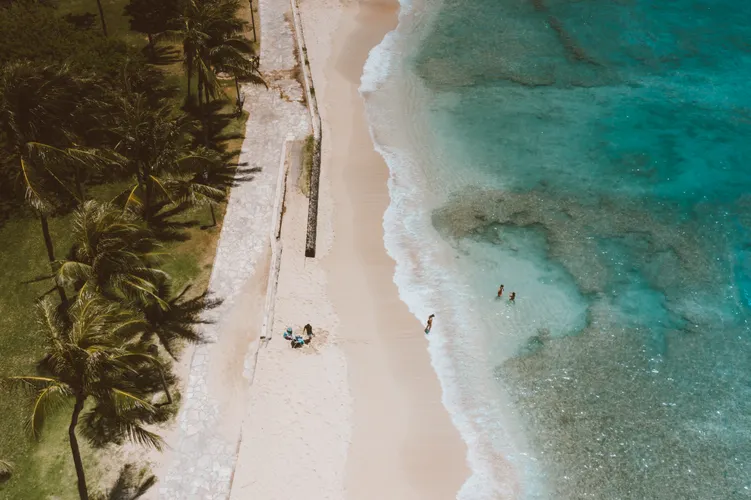
Start with logistics, because they shape everything. Honolulu's airport gets the most direct flights from the mainland, Waikiki puts you on a famous beach with restaurants and tours at your door, and, uniquely in Hawaii, you can skip the rental car entirely for the first few days. No other island lets you land, drop your bags, and walk to dinner and the beach.
Then there is the sheer range. In one week on Oahu you can snorkel Hanauma Bay, hike Diamond Head, stand at Pearl Harbor, watch giant winter surf on the North Shore, eat your way through the best food scene in the islands, and end every evening with a west facing sunset. Our things to do in Oahu guide and best beaches guide lay out just how much fits into a short drive.
For getting on the water, a small group sunset sail off Waikiki is the easy crowd pleaser, and most visitors base themselves here, browse Waikiki hotels (also on Booking.com) for the widest range of rates in Hawaii. And since this is where we set up beach picnics, we will say the quiet part out loud, the most romantic evening on Oahu is a private picnic at golden hour on a quiet west side beach. We may be biased. We are also, once again, right.
The honest catch, Oahu is the busiest, most developed island. If your dream is total seclusion and an empty beach, read on.
But for the widest mix of experiences with the least driving, Oahu is the island that does the most things well, the easy yes when you cannot decide.
It is also the only island where you can land, drop your bags, and enjoy the first few days without renting a car at all, which after a long flight is its own quiet luxury. For everything packed into it, see our things to do in Oahu guide.
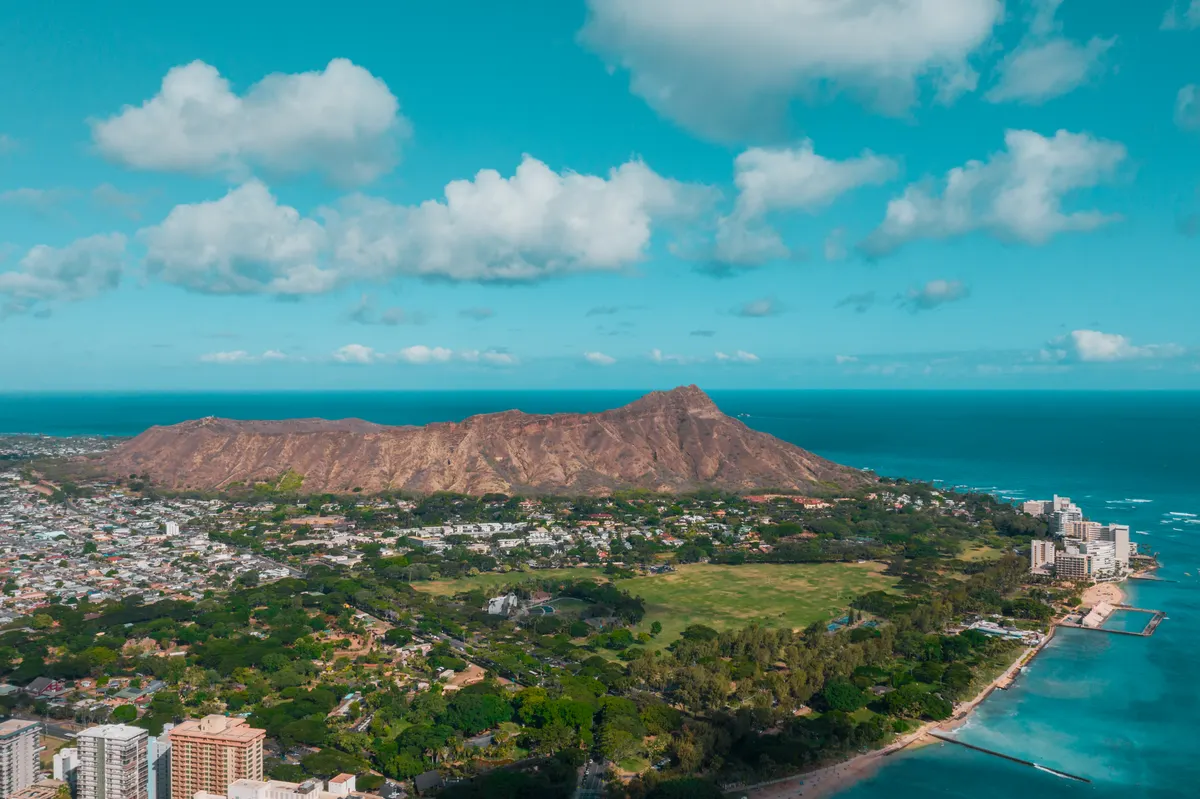
Photo by Jess Loiterton via Pexels
03
Maui: resort romance and beaches
Maui is the island people picture when they picture a Hawaiian vacation, and for a resort forward, romance forward trip, it earns the reputation.
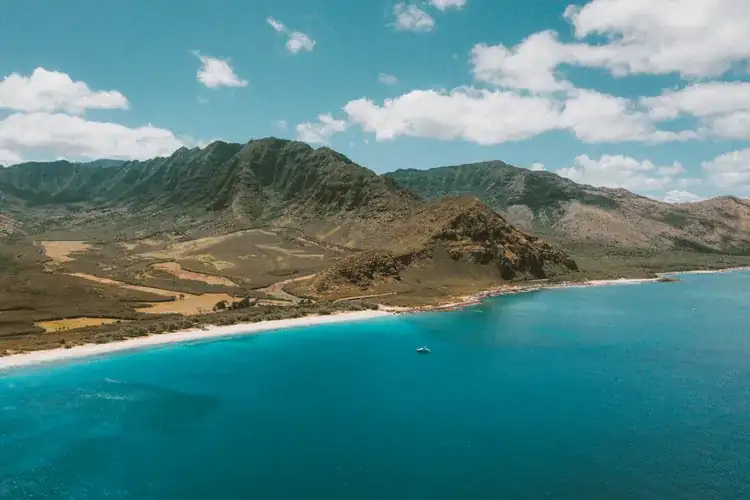
The beaches on the dry, sunny leeward side around Wailea and Kaanapali are calm, gorgeous, and lined with the kind of resorts where the towels are folded into swans. It is the most polished island, the easiest place to do nothing beautifully, and the default pick for honeymoons (we go deeper on that in our Hawaii honeymoon guide).
Beyond the pool, Maui has real adventure, the winding Road to Hana with its waterfalls and one lane bridges, and the surreal sunrise above the clouds at the summit of Haleakala. A guided Haleakala sunrise or sunset tour handles the brutal predawn drive and the altitude so you can just watch the sky do its thing.
★4.7(2,318)
Maui: Haleakala Sunrise Spectacular with Local Breakfast
10 hours
Free cancellation
from
$254
Who it is for, couples, honeymooners, and anyone who wants luxury and beaches with a side of adventure. The catch is the price, Maui is the most expensive island to visit, often by a wide margin, and a resort only trip can feel a little sealed off from the real place. Worth it if relaxation is the whole point.
A practical note, Maui rewards picking one side and staying put. Bouncing between Lahaina, the airport, and Hana eats whole days in the car.
Base on the sunny west or south side, do one or two big adventures, and let the rest be beach.

Photo by James Wheeler via Pexels
04
Kauai: the wild, green one
Kauai is for couples and hikers who want to step off the map. The oldest and greenest of the main islands, it trades nightlife and shopping for cliffs, canyons, rivers, and waterfalls that look computer generated.
The headline is the Na Pali Coast, a wall of fluted green sea cliffs you can only reach by boat, helicopter, or a serious hike, and one of the most dramatic stretches of coastline on earth. A Na Pali boat cruise is the single most memorable thing many people do in all of Hawaii. Inland, Waimea Canyon (the "Grand Canyon of the Pacific") and the Kalalau Lookout deliver views that stop conversation.
Who it is for, nature lovers, hikers, photographers, and couples who want a slow, immersive trip over a busy one. The catch cuts two ways, Kauai is the most remote and least developed, so amenities are thinner and you will drive for them, and the green north shore is green for a reason, it can rain for days. Pack a light rain jacket and a flexible attitude, and Kauai will reward you like no other island.
Just set your expectations right. Kauai is for slowing down, not for ticking off a long list.
If your ideal vacation is a packed schedule and nightlife, you will be happier elsewhere, and that is worth knowing before you book.

Photo by Roberto Nickson via Pexels
05
The Big Island: volcanoes and variety
The Big Island is the wild card, and the name is not an exaggeration, it is larger than all the other islands combined, with the most varied landscape in the state. In a single day you can stand on a black sand beach, drive through old lava fields, and watch an active volcano glow after dark.
The marquee attraction is Hawaii Volcanoes National Park, where Kilauea has been one of the most active volcanoes on earth, there is nothing else quite like watching molten rock light up the night sky. The other showstopper is the summit of Mauna Kea, the best stargazing in the country, where a Mauna Kea summit and stars tour takes you above the clouds for sunset and a sky full of stars. Add green sand and black sand beaches, manta ray night snorkels, and Kona coffee farms, and the island delivers more raw variety than any other.
Who it is for, adventurous travelers, road trippers, science and nature buffs, and anyone on a second or third Hawaii trip looking for something different. The catch is size, the island is so big that you cannot see it from one base, so plan on real driving and ideally two different home bases (the Kona side is dry, the Hilo side is wet).
It is also the island where the weather flips fastest. You can start the day on a sunny Kona beach and end it in cool rainforest mist up near Volcano.
Pack layers, plan for the drive time, and treat the sheer size as the adventure rather than a chore.
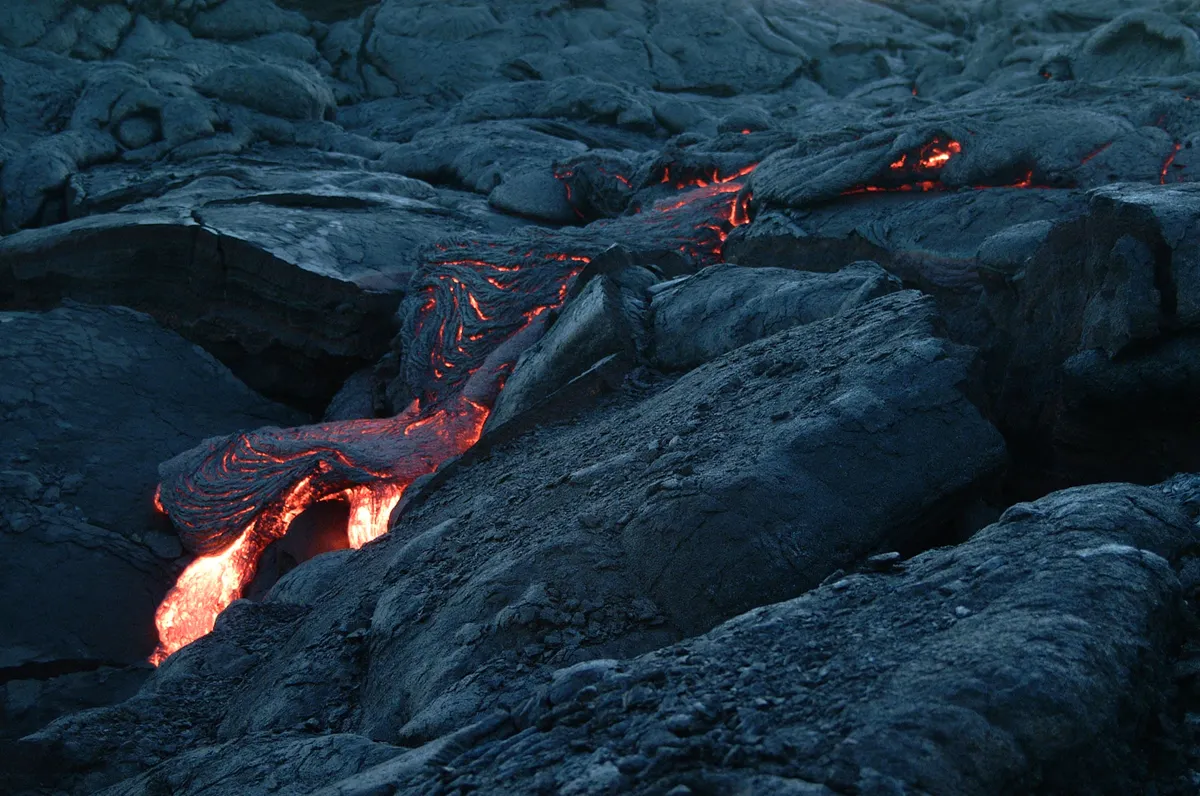
Photo by Brent Keane via Pexels
06
What about Molokai and Lanai?
Two smaller islands round out the visitable Hawaii, and they are worth knowing about even if most first timers skip them.
Lanai is the tiny, exclusive one, privately owned, with two Four Seasons resorts, a famous golf course, and almost no crowds. It is a luxury hideaway, reachable by a short ferry from Maui or a quick flight, and it works best as a romantic add-on to a Maui trip rather than a stand alone first visit.
Molokai is the opposite, the least developed and most traditionally Hawaiian island, with no traffic lights, no resorts to speak of, and a fiercely local culture that is not chasing tourism. It rewards respectful, low key travelers looking for the old Hawaii, and it is emphatically not a resort vacation.
Neither is a typical first island choice, but if you have done the big four and want something different, they are the road less traveled. (Niihau and Kahoolawe, the other two named islands, are not open to general visitors at all.)
For most travelers these two are a second trip, not a first. But if you have done the big four and crave something slower and more local, they are the road less traveled.
Go respectfully, spend with local businesses, and keep your expectations set to quiet.
07
Which island is best for you?
When you just want to be told, sorted by traveler,
- First trip to Hawaii: Oahu. The most to do, the easiest logistics, and the gentlest learning curve.
- Honeymoon or couples romance: Maui for resort polish, or Kauai for secluded nature. Oahu's west side is an underrated, more affordable third option.
- Families with kids: Oahu (variety and easy logistics) or Maui (calm resort beaches).
- Adventure and the outdoors: the Big Island for volcanoes and range, or Kauai for hiking and cliffs.
- Total seclusion and quiet: Kauai, hands down.
- The best food and nightlife: Oahu, no contest.
- A second or third Hawaii trip: the Big Island or Kauai, the two that reward going deeper.
- The tightest budget: Oahu, which has the widest range of flights, lodging, and free activities.
When in doubt, the tiebreaker is simple, pick the island that matches the trip you actually want, not the one with the most saves on Instagram.
The best Hawaiian island is just the one whose strengths line up with how you like to travel.
08
How many days do you need?
A rough guide, assuming you want to enjoy the island rather than speed run it,
- Oahu: 4 to 7 days. Three covers Waikiki and the headliners. A week adds the North Shore and the windward side.
- Maui: 4 to 6 days. Enough for the beaches, the Road to Hana, and a Haleakala sunrise.
- Kauai: 4 to 6 days. The Na Pali Coast, Waimea Canyon, and a couple of slow beach days, with a rain day buffer built in.
- The Big Island: 5 to 7 days. It is large enough that you need the extra time, and ideally two bases, to see the volcano and the Kona side both.
The honest minimum for any island is four nights. Fewer than that and the flight time and check-in logistics eat too much of the trip. If you only have a week total, spend it all on one island and go deep.
The most common regret we hear is never "I wish I would seen another island." It is "I wish I would slowed down."
Build in a day or two with nothing scheduled. They tend to be the ones people remember most.
09
Can you visit more than one island?
Yes, and plenty of people do, but be realistic about the math. Hopping between islands means a short flight (most route through Honolulu), a new rental car, a new check-in, and a half day of travel logistics each time. It is absolutely doable, and interisland flights are quick and frequent.
The rule of thumb, give each island at least four nights. Two islands in a week is fine if you keep it simple. Three in a week is a travel logistics job, not a vacation. For a first, one week trip, most people are happier going deep on a single island than skimming two. Save the multi island grand tour for a longer trip or a return visit, and if you do split time, a common and excellent combination is a few days on Oahu (for the logistics and the highlights) followed by a few somewhere quieter.
If you do hop, book the interisland flights early and travel light, most routes connect through Honolulu, and a carry on saves real time.
Give yourself a buffer, too. Island time is real, and a tight connection on vacation is a contradiction in terms.
10
When to go and where to stay
Briefly, because it matters. The sweet spots are April to early June and September to early November, warm water, thinner crowds, and lower rates across every island. Winter brings bigger surf and the whales. Summer brings the calmest water and the biggest crowds. Our best time to visit Hawaii guide breaks it down month by month.
For lodging, each island has a sunny, resort friendly side worth prioritizing, Waikiki or Ko Olina on Oahu, Wailea or Kaanapali on Maui, Poipu on Kauai, and the Kohala Coast on the Big Island. Book the big ticket items, flights and resort nights, as early as you can, since they swing the most with your dates.
A weather tip that matters more than the calendar, every island has a dry, sunny side and a wetter, greener one, so where you stay can matter as much as when you go.
In winter, favor the south and west (leeward) coasts for sun. In summer, the whole island opens up.
FAQ: choosing a Hawaiian island
What is the best Hawaiian island to visit for the first time?
Oahu. It has the easiest logistics (the most direct flights, walkable Waikiki, and the option to skip a rental car for a few days) and the widest mix of beaches, history, food, and activities, the most Hawaii for the least friction on a first trip.
If you have more than one trip in you, save Kauai or the Big Island for the return, they reward travelers who already know the basics.
Which Hawaiian island is best for couples?
Maui for resort romance and Kauai for secluded nature are the two classic honeymoon islands. Oahu's quieter west side is an underrated and more affordable third option. See our Hawaii honeymoon guide for a deeper comparison.
Which Hawaiian island is the most beautiful?
It depends on your taste, Kauai is the greenest and most dramatic, with the Na Pali cliffs and Waimea Canyon, while Maui has the most polished beaches. For sheer variety of landscape, the Big Island is unmatched. Honestly, all four are beautiful in different ways, the "most beautiful" is simply whichever landscape moves you most, whether that is a bright blue bay, a misty cliff, or molten rock meeting the sea.
Should I visit more than one island on my first trip?
Usually no. For a one week first trip, most people are happier going deep on a single island than splitting time and spending half the trip on travel logistics. Give each island at least four nights, and save the multi island tour for a longer or return trip.
Which Hawaiian island is the cheapest to visit?
Oahu, generally, it has the widest range of flights and lodging at every price point, the best public transit, and the most free things to do. Kauai and Maui tend to run the most expensive.
Is Oahu or Maui better for a first trip?
Oahu for variety, value, and the easiest logistics. Maui for a slower, resort focused, romance forward trip. For a true first visit with the most to see and do, Oahu is the more forgiving choice. For a honeymoon or a pure relaxation trip, Maui edges it.
What is the best Hawaiian island for families with kids?
Oahu and Maui. Oahu wins on variety and easy logistics, with calm beaches like the Ko Olina lagoons. Maui offers polished, calm resort beaches. Both have the amenities, short drives, and gentle water that make traveling with children easier than on the more rugged Kauai or Big Island.
How many Hawaiian islands can you visit?
Six of the eight main islands are open to visitors, Oahu, Maui, Kauai, the Big Island (Hawaii Island), Molokai, and Lanai. Niihau (the "Forbidden Isle") and Kahoolawe (a former military range) are closed to general tourism.
Disclosure: Some links on this page are affiliate links. If you book or buy through them we may earn a small commission, at no extra cost to you. As an Amazon Associate, we earn from qualifying purchases.