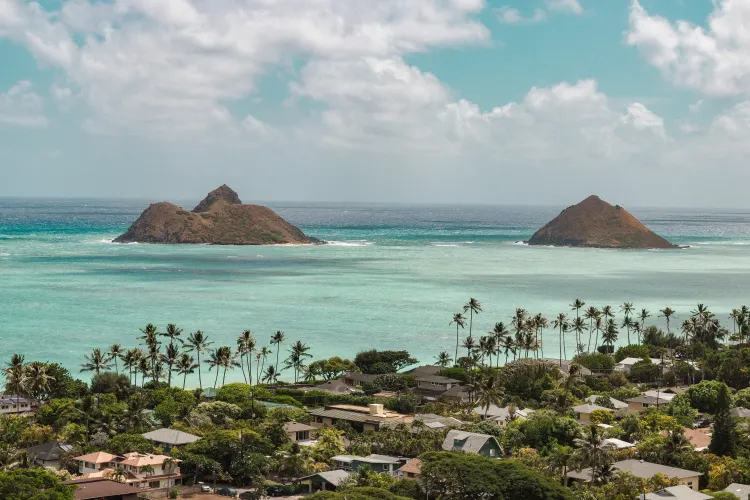
Hawaii on a Budget: The Affordable Island Guide for 2026
21 min readYndira W. Tonin
A budget trip to Hawaii is absolutely possible, the islands have a deserved reputation for being expensive, but the single most beautiful things here, the beaches and the hikes and the sunsets, are free. The trick is spending your money where it counts and saving it everywhere else.
This guide is current as of 2026.
The biggest levers are when you go, which island you pick, and how you handle the two budget killers, lodging and food. Get those right and you can have a genuinely great Hawaii trip without the four figure a day panic.
This is the honest, practical guide to doing Hawaii on a budget, what a trip really costs, the cheapest island, the timing that saves the most, and how to fly, sleep, eat, and explore for far less than the brochures suggest.
Table of contents
- How much does a trip to Hawaii cost?
- Why is Hawaii so expensive?
- The cheapest Hawaiian island to visit
- When to go, the biggest money lever
- Finding cheap flights to Hawaii
- Where to stay on a budget
- Getting around without going broke
- Eating well in Hawaii for less
- The best free things to do
- Budget traps to avoid
- FAQ
01
How much does a trip to Hawaii cost?
Let us start with a realistic number, a typical Hawaii vacation runs around $4,000 a week for two people, but that figure swings wildly with your choices, and the budget version costs a fraction of the resort version.
Here is roughly where the money goes on a midrange trip,
- Flights: the biggest single line item for most mainland visitors, ranging from a few hundred dollars round trip from the West Coast to well over a thousand from the East Coast or in peak season.
- Lodging: typically the second biggest cost, from around $60 a night for a hostel bed to $190 for a B&B, ~$350 for a three star hotel, and $700+ for a resort, before taxes and resort fees.
- Rental car: roughly $40, $80 a day plus gas and parking, which adds up fast, and which you can skip entirely on Oahu.
- Food: anywhere from $25 a day eating like a local to $150+ a day eating out at sit down restaurants.
- Activities: as little as $0 (beaches, hikes) to $100, $300 for paid tours and luaus.
The headline takeaway is that lodging and food are where budgets are won or lost. A shoestring traveler can do Hawaii for well under $150 a day per person. A resort guest can spend that before lunch. The rest of this guide is about landing on the cheaper end on purpose.
The useful exercise before you book is to build a rough daily budget and see where it lands, pick a nightly lodging number, add a daily food figure, factor a car or not, and add a little for the occasional paid activity. Do that math honestly and the trade offs jump out, a kitchen condo that lets you cook, a car free Oahu trip, or a shoulder season week can each shave hundreds off the total without changing the actual experience much.
02
Why is Hawaii so expensive?
It helps to understand why Hawaii costs what it does, because it tells you exactly where the savings hide.
Hawaii is the most isolated population center on earth, and almost everything, food, fuel, building materials, consumer goods, arrives by ship or plane across roughly 2,500 miles of ocean. That shipping cost is baked into every price tag, which is why a gallon of milk, a tank of gas, and a hotel room all cost noticeably more than they would on the mainland. Add high demand from millions of annual visitors and limited land for development, and you get the price premium the islands are famous for.
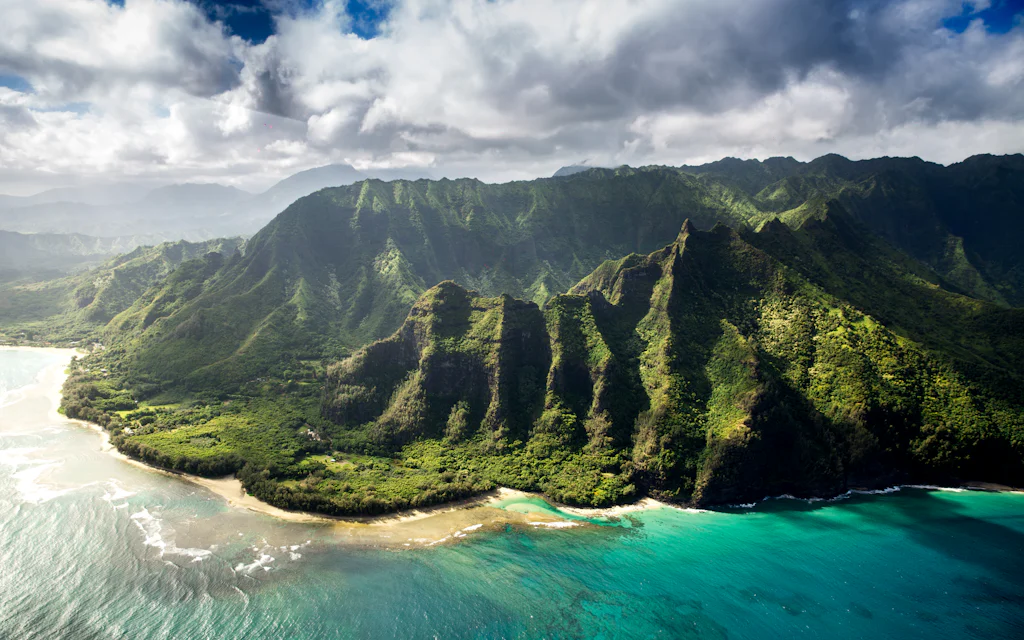
The flip side is the good news. The things that draw people to Hawaii in the first place, the ocean, the beaches, the mountains, the waterfalls, the sunsets, are natural and overwhelmingly free. You pay a premium for the imported comforts (resorts, restaurants, rental cars), but the actual Hawaii, the reason you came, costs nothing to enjoy.
So the budget strategy writes itself, minimize what you spend on the imported, marked up stuff, and maximize the free natural beauty that no one can put a price on. A traveler who sleeps simply, eats like a local, and spends their days at the beach is getting the exact same sunsets as the guest in the $700 ocean view suite.
This reframe is genuinely freeing once it clicks. The expensive version of Hawaii and the cheap version of Hawaii share the same ocean, the same mountains, and the same sunsets, the difference is mostly the thread count and the restaurant bill. Some of the best days you can have here cost almost nothing, a morning at a quiet beach, a hike to a waterfall, a plate lunch in the shade, a sunset with your feet in the sand. The premium experiences are nice, but they are the garnish, not the meal.

Photo by Aziz Acharki on Unsplash
03
The cheapest Hawaiian island to visit
If you are choosing one island to keep costs down, the honest answer has a twist, it depends on whether you are renting a car.
What is the cheapest Hawaiian island to visit?
OahuOur pick
- Best for
- The best budget pick overall — the only island you can do without a rental car (TheBus), plus hostels and the most options at every price
- The catch
- The busiest and most built-up; you trade quiet for cheap
Big Island
- Best for
- The lowest lodging prices (Hilo) and cheap attractions — Volcanoes National Park is a $35 vehicle pass good for a week
- The catch
- Huge — you need a rental car and a lot of gas to see it
Kauai
- Best for
- Stunning nature that's mostly free — beaches, trails, lookouts cost nothing
- The catch
- Small, with limited budget lodging and a near-mandatory rental car
Maui
- Best for
- Doable on a budget with discipline — free beaches and the Road to Hana
- The catch
- The priciest island, resort-dominated, hardest to do cheaply
Oahu is the best budget island for most travelers, and especially for non drivers. It is the only Hawaiian island with a genuinely usable public bus system, TheBus reaches Waikiki, the North Shore, and most major sights for a few dollars a ride, so it is the one island where you can skip the rental car entirely and save $40, $80 a day. It also has the most hostels, the widest range of cheap eats, and the most lodging competition, which keeps prices down. Our guide to the best island to visit in Hawaii digs into the trade offs.
The Big Island is the cheapest if you are driving. Lodging in Hilo is the lowest in the state, rental cars are relatively cheap, and the headline attraction, Hawaii Volcanoes National Park, is a $30 vehicle pass good for seven days. The catch is the island's size, it is bigger than all the others combined, so you will spend on gas and a car is non-negotiable.
Kauai and Maui are the pricier picks. Both are stunning, but they have less budget lodging, near mandatory rental cars, and a more resort driven economy. They are doable on a budget with discipline, but Oahu and the Big Island stretch a tight budget further.
The deeper point is that "cheapest island" depends on your travel style more than on the island itself. A car free hostel traveler will spend the least on Oahu, hands down. A family that wants a kitchen, a car, and space will often do best on the Big Island, where the lodging math is friendlier. And a couple set on Maui can still keep costs reasonable by staying in Kihei rather than Wailea and cooking most meals. Match the island to how you actually travel, and any of them can be done without going broke.
04
When to go: the biggest money lever
Here is the one strong opinion in this guide, and it will save you more than any other single tip, when you go matters more than where you stay. Shift your dates to the shoulder seasons and everything gets cheaper at once.
Peak season, roughly mid December through March, plus mid June through August, is when flights, hotels, and rental cars all spike together, sometimes doubling. The shoulder seasons of late April to early June and September to mid November bring the same gorgeous weather with materially lower prices and thinner crowds. The cheapest time to visit Hawaii is almost always these in between months, and the savings stack across every line of your budget at once.
And the corollary opinion, the budget mistake I would most steer you away from, do not island hop on a budget trip. Each interisland flight, each new rental car, each check-in and check-out eats money and a half day of your trip. Pick one island and go deep. A focused week on Oahu beats a frantic week of airports, and it is dramatically cheaper. The best time to visit Hawaii guide breaks the seasons down month by month.
If your dates are locked by school or work, you can still save by avoiding the absolute peak weeks (the winter holidays, spring break) and by flying midweek, which we will get to next.
It is worth knowing what you trade in each season, too. Winter brings the big North Shore surf and whale watching but higher prices and rain on the windward sides. Summer brings the calmest, warmest water and the best snorkeling but peak crowds and heat. The shoulder months thread the needle, good weather, lower prices, fewer people. For a budget traveler with flexibility, late April to early June is arguably the single best window, warm, dry, cheap, and uncrowded, before the summer rush arrives.
05
Finding cheap flights to Hawaii
For most mainland visitors, the flight is the biggest single expense, so this is where smart booking pays off the most.
A few reliable levers,
- Fly midweek. Tuesday and Wednesday departures typically save $50, $100 per ticket over weekend flights, on nearly every route.
- Book in the sweat spot. For Hawaii, roughly two to five months out tends to land the best fares. Too early or last minute usually costs more.
- Set price alerts on a flight tracking app and pounce when a fare drops, Hawaii routes go on sale regularly, especially in shoulder season.
- Be flexible on island. Flights into Honolulu (Oahu) are usually the cheapest and most frequent. You can sometimes save by flying into Oahu even if you planned on another island.
- Use points and miles if you have them, Hawaii is one of the highest value redemptions out there, often turning a $700 fare into a few thousand points.
The West Coast has the cheapest and shortest flights to Hawaii, so if you are far from a gateway city, factor a connection. And once you land, resist the urge to add interisland hops, those extra flights are exactly the budget trap the last section warned about.
One more flight tip worth its own line, watch the budget and low cost carriers that fly the Hawaii routes, but read the fare rules carefully. A rock bottom base fare can climb fast once you add a checked bag, a seat assignment, and a carry on, so compare the all in total, not the teaser price. And build in a buffer. Hawaii flights are long, and a too tight connection that you miss can cost more than you saved chasing the cheapest fare.

Photo by Rosalind Chang on Unsplash
06
Where to stay on a budget
Lodging is usually the second biggest cost after flights, and it is where a little flexibility saves the most.
The budget ladder, cheapest first, hostels (from around $60 a night, mostly on Oahu) for shoestring travelers. vacation rentals and condos with a kitchen, which often beat hotels on price for groups and families. budget hotels and B&Bs away from the beachfront. And finally the resorts, which you are skipping. A key move is to book a place with a kitchen or at least a fridge, it costs a little more per night but saves far more in food, since you can do breakfasts, snacks, and the odd dinner in.
Location is a lever too. A room a few blocks back from the beach, or in a local neighborhood rather than the resort zone, costs a fraction of the oceanfront premium, and you are at the same free beach in ten minutes. On Oahu, basing slightly outside the heart of Waikiki saves real money. Our where to stay on Oahu and Oahu vacation rentals guides map the cheaper zones, and you can compare Oahu hotel deals on Expedia (also on Booking.com) across price tiers.
Whatever you book, watch for the add-ons, resort fees, parking charges, and cleaning fees can quietly add $30, $60 a night, so compare the all in price, not the sticker rate.
It is also worth timing your booking. Lodging prices move with the same seasons as flights, so the shoulder season savings apply here too, and booking a few months out tends to beat both last minute and too early. For longer stays, weekly and monthly vacation rental rates often come with a discount over the nightly price, so if you are staying a week or more, ask. And read recent reviews, not just the price, a cheap room with thin walls next to the highway is a false economy when you are jet lagged and trying to sleep on Hawaii time.
07
Getting around without going broke
Transportation is the budget category with the biggest island to island difference, and on one island you can zero it out almost entirely.
On Oahu, you may not need a car at all. TheBus is cheap, covers the whole island, and reaches Waikiki, Pearl Harbor, the North Shore, and most major sights. A day pass costs a few dollars. Add the Waikiki trolley, rideshare for the occasional gap, and the odd guided tour, and a car free Oahu trip is genuinely practical, saving you the rental, the gas, and Waikiki's brutal hotel parking fees. For the days you want to roam, a no car circle island day tour covers the North Shore loop in one efficient, affordable hit.
★4.8(4,263)
Oahu Circle Island Tour with Waimea Valley Waterfall
8 hours
Free cancellation
from
$154
On the other islands, a rental car is essentially required, the bus systems are limited and the sights are spread out. To keep that cost down, book early (prices climb as inventory shrinks), compare across companies, decline the pricey insurance add-ons if your own policy or credit card covers you, and split one car among a group. Skip the convertible. A basic compact gets you to the same waterfalls.
Either way, fuel is pricier here than on the mainland, so a smaller, efficient car and a base near your main activities cut the driving budget down.
A few more ways to trim the transport line. Parking is its own cost in the tourist zones, Waikiki hotels routinely charge $35, $50 a night to park, and many popular trailheads and beaches have paid lots, so a car you barely use can quietly cost more than it saves. If you only need wheels for a day or two of exploring, consider renting just for those days rather than for the whole trip, and using the bus or your feet the rest of the time. On Oahu especially, that hybrid approach, mostly car free, with one rental day for a circle island drive, is often the cheapest way to see everything.
08
Eating well in Hawaii for less
Food is where budgets quietly hemorrhage, and also where Hawaii makes saving delicious, because some of the best food here is the cheapest.
The single best budget move is the plate lunch, a heap of meat or fish with rice and mac salad for around $12, $15, from a food truck, a plate lunch counter, or a grocery store. It is filling, it is genuinely good, and it is a fraction of a restaurant entrée. Lean on the rest of the cheap and iconic canon, too, poke from a grocery counter, spam musubi from a convenience store, a malasada and coffee breakfast, and a shave ice for dessert all cost a few dollars and taste like Hawaii.
The other big lever is groceries. Hit a supermarket (or a Costco, if you have a membership, its gas and food are among the best deals in the state) and stock the fridge in your rental, breakfasts, snacks, drinks, beach lunches. Cooking even one meal a day, or just doing your own breakfast and beach picnic, can cut a food budget in half.
Save the sit down restaurants for a meal or two that you really want, and fill the rest with plate lunches, food trucks, farmers markets, and grocery runs. You will eat better, more local, and for far less than the resort restaurant treadmill.
Drinks are a sneaky budget line, too. Alcohol and bottled drinks are marked up hard at restaurants, resort bars, and convenience stores, so a few cocktails out can rival the cost of the meal. Buy your drinks at a supermarket, carry a refillable water bottle (the tap water is excellent), and save the sunset cocktail for the one beach bar that is genuinely worth it. Farmers markets are the other underrated budget hero, cheap, ripe local fruit, fresh poke, and prepared local food, often at better prices and quality than the grocery store, with the bonus of being a fun, free thing to wander.

Photo by Raghav Nyati on Unsplash
09
The best free things to do
Here is the part that makes a budget Hawaii trip not just survivable but genuinely wonderful, the best of Hawaii is free.
Every island's beaches are free and public by law in Hawaii, including the ones fronting the fanciest resorts. You can spread a towel on the same sand as the $700-a-night guests, and the best beaches on Oahu cost nothing. So does the snorkeling at many of them, if you bring your own mask.
The free list is long,
- Hiking the islands' famous trails, ridgelines, waterfalls, lookouts, almost all free. Our best hikes on Oahu guide is a no cost day planner.
- Sunsets, the nightly show that needs no ticket, find a west facing beach and watch.
- Scenic drives and lookouts along every coast, including the famous windward and North Shore stretches.
- Free cultural events, hula performances, lei making, farmers markets, and the like at shopping centers and parks.
- Some major sights are free or nearly so: the Pearl Harbor USS Arizona Memorial is free (a small fee only for the timed reservation), and the National Park Service even runs fee free days at Hawaii's national parks.
One small kit decision opens up a lot of the free fun, bring or buy a cheap snorkel set and a beach mat, and a huge share of Hawaii's best experiences cost nothing. The reefs off many public beaches are as good as the paid snorkel tours, and they cost nothing once you have a mask. A dry bag, reef safe sunscreen, and a refillable water bottle round out a budget beach kit that pays for itself on day one.
Build your days around the free stuff and spend selectively on the one or two paid experiences you really want, and the trip stays cheap without ever feeling cheap. The travelers who leave Hawaii happiest are rarely the ones who spent the most, they are the ones who spent their days in the water and on the trails, where the island gives its best for free.
10
Budget traps to avoid
A few predictable money pits catch budget travelers, and dodging them is half the battle.
- Island hopping. Said it before, worth repeating, extra interisland flights and rental cars are the fastest way to blow a budget. One island, done well.
- Airport and resort strip everything. Food, drinks, and sundries cost the most at the airport and inside resort zones. Buy your sunscreen, water, and snacks at a regular supermarket or Costco, not the ABC Store or the hotel gift shop.
- Resort fees and parking. Always compare the all in nightly price. A "cheap" room with a $50 resort fee and $40 parking is not cheap.
- Over touring. Paid tours add up fast. Pick the handful that are genuinely worth it and DIY the rest with free beaches and hikes.
- Peak season dates. Traveling over the winter holidays or in midsummer can cost double the shoulder season price for the identical trip.
- The "free" timeshare presentation. If someone offers you free luaus, tours, or rental cars in exchange for sitting through a 90-minute presentation, know what you are signing up for, a high pressure sales pitch that costs you a half day of your vacation. Occasionally worth it for the disciplined. Usually not.
- Buying gear on island. Snorkel sets, beach chairs, sunscreen, and coolers all cost more in Hawaii. Pack the cheap stuff from home, or buy it at a big box store rather than a beachfront shop.
And one honest, on brand aside, we run beach picnics on Oahu, which is a splurge, not a budget line item, we will be the first to tell you a styled picnic for two ($349) is a treat, not a money saver. The budget version is grocery store poke and a malasada on a free beach at sunset, and it is a genuinely great evening. Spend on the few things worth splurging on, and keep the rest beautifully cheap.
FAQ
Can you visit Hawaii on a budget?
Yes. While Hawaii is expensive, the beaches, hikes, and sunsets that draw people there are free, and you can cut the big costs by traveling in shoulder season, picking a cheaper island like Oahu, staying in hostels or condos with a kitchen, and eating plate lunches and groceries instead of restaurants. A shoestring traveler can do Hawaii for well under $150 a day.
How do you save money in Hawaii?
The biggest levers, in rough order, travel in shoulder season, pick a cheaper island, cook some of your own meals, and build the days around free beaches and hikes.
- Go in shoulder season, April, May or September, October, when flights and hotels drop well below summer and holiday prices.
- Pick Oahu, the cheapest island for most travelers, with a usable bus so you can skip the rental car.
- Stay somewhere with a kitchen and stock up at Costco or a supermarket instead of eating every meal out.
- Eat like a local, plate lunches ($12, $15), poke, and food trucks beat resort restaurants on price and often on taste.
- Spend your days on free beaches and hikes, the scenery that draws people to Hawaii costs nothing.
- Fly midweek and book early, Tuesday and Wednesday departures save $50, $100 per ticket.
What is the cheapest Hawaiian island to visit?
Oahu is the cheapest for most travelers, it is the only island with a usable public bus, so you can skip the rental car, and it has the most hostels and cheap eats. The Big Island is the cheapest if you are renting a car, with the lowest lodging prices in Hilo and inexpensive attractions. Kauai and Maui are the priciest.
How much does a trip to Hawaii cost?
A typical week long Hawaii vacation for two runs around $4,000, but it varies enormously. Budget travelers can manage well under $150 a day per person, while resort guests can spend that before lunch. Flights and lodging are the biggest costs. Food and activities are where you have the most control.
When is the cheapest time to go to Hawaii?
The shoulder seasons, late April to early June, and September to mid November, are the cheapest, with lower flights, hotels, and car rentals and the same great weather. Avoid the peak windows of mid December through March and mid June through August, when prices spike, and fly midweek to save more.
How do you save money on food in Hawaii?
Eat like a local, plate lunches ($12, $15), poke from grocery counters, spam musubi, malasadas, and shave ice are cheap and excellent. Book lodging with a kitchen and stock up at a supermarket or Costco for breakfasts and beach lunches. Save sit down restaurants for a meal or two you really want.
Do you need a rental car in Hawaii?
Not on Oahu, where TheBus, the trolley, rideshare, and tours can cover a whole trip and save you $40, $80 a day plus parking. On the Big Island, Maui, and Kauai a rental car is essentially required, since the bus systems are limited and the sights are spread out, so factor that cost into those islands.
Is Hawaii cheaper than people think?
It can be. Hawaii is genuinely expensive for imported comforts, resorts, restaurants, rental cars, but cheap or free for the natural beauty that is the whole point. Travelers who sleep simply, eat local, skip the rental car on Oahu, and build their days around free beaches and hikes are often surprised how affordable a great Hawaii trip can be.
Disclosure: Some links on this page are affiliate links. If you book or buy through them we may earn a small commission, at no extra cost to you. As an Amazon Associate, we earn from qualifying purchases.