Malasadas Hawaii: The Best on Every Island, Ranked (2026)
18 min readYndira W. Tonin
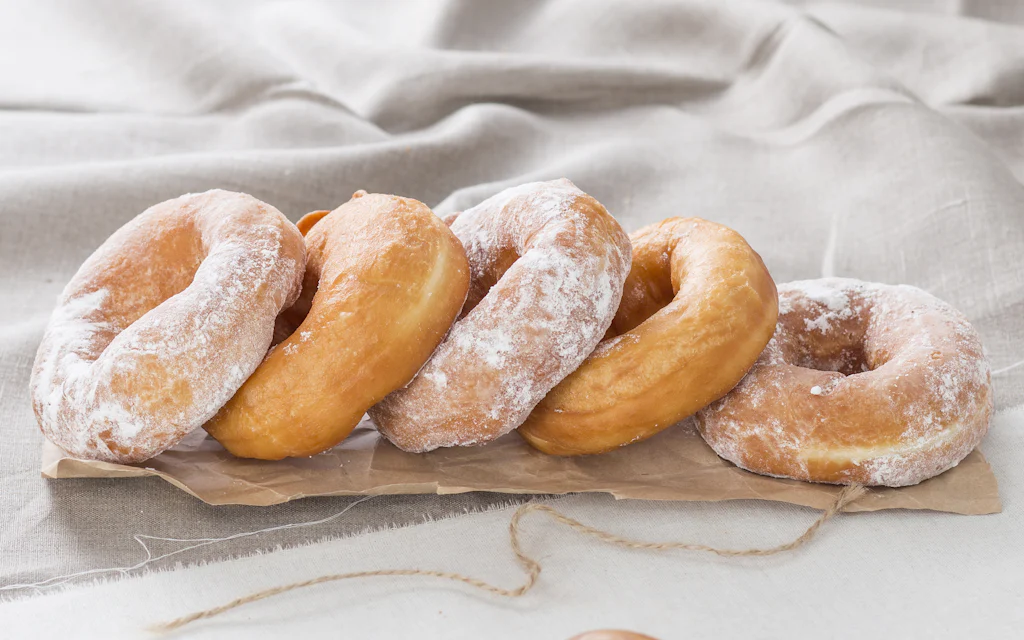
A malasada is a Portuguese doughnut with no hole, a ball of yeasted dough deep fried until golden, rolled in sugar, and best eaten so fresh it nearly burns your fingers. In Hawaii it is less a dessert than a institution, brought by Portuguese plantation workers in the 1800s and perfected over generations into the islands' favorite fried dough.
The guide was reviewed and updated for 2026.
The best malasadas in Hawaii come from a short list of legendary bakeries, Leonard's on Oahu first among them, but the single most important rule has nothing to do with which shop you pick.
Eat it hot. A malasada straight from the fryer is a small miracle. The same malasada cold the next morning is just a dense, sad donut. This guide covers where to get the best, how to order them, the history that makes them special, and how to never, ever waste one on a cold bite.
Table of contents
- What is a malasada (and why it is not a donut)
- Leonard's Bakery, the famous one
- The best malasadas beyond Leonard's
- Malasadas on the neighbor islands
- Plain vs. filled, how to order
- What makes a great malasada
- A short, sweet history
- Malasada Day and when to go
- Make malasadas at home
- Where to base your malasada run
- FAQ
01
What is a malasada (and why it is not a donut)
Picture a doughnut that skipped the hole, the glaze, and the frosting, and put all its energy into being warm, eggy, and sugar crusted instead. That is a malasada.
It is a yeasted dough, enriched with eggs and a little butter, fried until the outside is crisp and amber and the inside is pillowy and slightly chewy. Then it is rolled in granulated sugar while still hot, so the sugar half melts into a thin crackle. No hole, no icing, no sprinkles, the whole point is the contrast between the crisp sugared shell and the cloud of dough inside.
Here is the one strong opinion this guide will plant its flag on, a malasada must be eaten hot, within minutes of frying, or it is barely worth eating at all. Fresh, it is ethereal. An hour later it deflates into something dense and greasy. The next morning, reheated, it is a pale ghost of itself. This is why the great malasada shops fry to order and why the line moves the way it does.
So the cardinal rule follows naturally, buy fewer than you think, eat them immediately, and resist the romance of carrying a dozen back to the hotel. Two hot malasadas demolished in the parking lot beat a cold box every single time.
A quick note on the name and the spelling, because both vary. You will see "malassada" with two s's (the Portuguese spelling), "malasada" with one (the common Hawaii spelling), and the occasional "malasadas Hawaii" plural on every bakery sign. They are all the same thing. The word traces to the Portuguese for "poorly cooked" or "underdone," a humble origin for something locals now travel across the island to eat, which is very on brand for Hawaii food, where the most beloved dishes almost always started as cheap, practical, plantation camp fare and got promoted to legend by sheer deliciousness.
Where should you get your malasada?
Leonard's Bakery (Oahu)Our pick
- Best for
- The original and the gold standard — hot, plain, sugar-dusted, made to order since 1952 in Honolulu
- The catch
- The line and the tour buses; go early or hit a Leonard's Malasadamobile truck
Kamehameha Bakery (Oahu)
- Best for
- The locals' pick — famous for the purple poi (taro) malasada and a no-frills early-morning counter
- The catch
- Opens early and sells out; this is a get-there-before-work spot
Tex Drive-In (Big Island)
- Best for
- Giant, pillowy, fruit-filled malasadas (guava, lilikoi) on the road to Waipio in Honokaa
- The catch
- Only on the Big Island — a destination, not a quick stop
Agnes' Portuguese Bake Shop (Oahu)
- Best for
- Windward-side malasadas rolled in cinnamon sugar — the Kailua move after the beach
- The catch
- Smaller and out in Kailua; pairs with a windward day, not a Waikiki morning

Photo by Kat von Wood on Unsplash
02
Leonard's Bakery: the famous one
If malasadas have a home address in Hawaii, it is Leonard's Bakery on Oahu, and the pink and white sign on Kapahulu Avenue is a genuine landmark.
Leonard's has been frying malasadas since 1952, and it is widely, almost unanimously, considered the gold standard. The classic is the plain malasada, hot, round, sugar dusted, served in a brown paper bag that goes translucent with butter on the drive home (if it survives the drive). They also do filled versions, but the plain one is the one that made the legend, and it is the one to order first.
The catch is the catch you already guessed, lines and tour buses, especially midmorning. The fix is to go early, or to find one of Leonard's roving Malasadamobile trucks parked around the island, which serve the same hot malasadas with a fraction of the wait.
A practical ordering tip at Leonard's, get the plain malasadas hot, and if you want filled ones, the custard and haupia (coconut) are the crowd favorites. Half a dozen is the right group order. A dozen is how you end up with cold leftovers you will regret. They take cards, the line usually moves faster than it looks, and there is street parking on the side roads if the small lot is full.
Leonard's earns its fame the honest way, by frying to order and refusing to coast on its reputation. The official Leonard's history tells the family story behind the counter, and it is worth a read while you stand in line. If you only eat one malasada in Hawaii, this is the safe, excellent, no regrets choice, and if you are building a wider Honolulu food day, it is the natural sweet anchor for the morning.
03
The best malasadas beyond Leonard's
Here is where the locals get opinionated, because Leonard's is the famous one, not the only one, and some of the best malasadas in Hawaii come from humbler counters.
Kamehameha Bakery in Honolulu is the insiders' pick, beloved for its haupia and especially its striking purple poi (taro) malasada. It is an early morning, no frills operation that sells out, so treat it as a get there before work mission rather than a leisurely brunch.
Pipeline Bakeshop & Creamery in Kaimuki does excellent custom filled malasadas and pairs them with ice cream, a dangerous and wonderful combination. And out on the windward side, Agnes' Portuguese Bake Shop in Kailua rolls its malasadas in cinnamon sugar, the perfect after the beach reward on a Kailua and Lanikai day.
There is also a whole tier of neighborhood and supermarket malasadas worth knowing about. Some of the best, most underrated malasadas in Hawaii come from unassuming spots, a local bakery counter, a farmers market stall, even certain grocery stores that fry them fresh in the morning. They lack the fame and the line, and they are often every bit as good, which is the quiet secret every resident knows.
One honest note to save you a wasted trip, Champion Malasadas, a longtime Honolulu favorite, has closed. You will still see it on old lists and travel blogs, so cross it off yours before you drive across town for a locked door. Chase the open ones instead, and you will eat very, very well, Hawaii is not short on hot fried dough.

Photo by Jairo Gonzalez on Unsplash
04
Malasadas on the neighbor islands
Malasadas are an all islands obsession, so wherever your trip lands, there is a hot one nearby.
On the Big Island, the pilgrimage is Tex Drive-In in Honokaa, open since 1969 and famous for giant, pillowy malasadas filled to order with tropical flavors like guava, lilikoi, and chocolate. It is a classic road trip stop on the way to the Waipio Valley lookout, and the fill it yourself style hot malasada is worth the detour. Punaluu Bake Shop in Naalehu, the southernmost bakery in the United States, is the other Big Island name worth knowing.
On Maui, Komoda Store and Bakery in Makawao is the old school legend (cream puffs and malasadas both), and Maui Specialty Chocolates in Kahului draws a cult following for its filled malasadas, both sell out early.
On Kauai, you will find them at bakeries and farmers markets rather than one marquee shrine, often warm and dusted at a morning market stall. Holey Grail Donuts started on Kauai with taro based fried dough if you want a modern spin, but for a classic malasada, the island's small town bakeries and weekend markets are the move.
Wherever you are, the rule never changes, ask who fries them fresh and hot, and go there. Locals are happy to argue about the best malasada the way mainlanders argue about barbecue or pizza, so if you want a real recommendation, ask the person ringing up your coffee where they get theirs. That answer beats any list, including this one, the freshest malasada in any town is a moving target, and the people who live there always know where it landed this week.
05
Plain vs. filled: how to order
Malasadas come two ways, and there is a right answer for your first one.
Start plain. The original, hole less, sugar rolled malasada is the truest expression of the thing, and the one to judge a bakery by. If the plain malasada is great, the bakery is great. Get that first, always.
Then, if you are going back for seconds (you are), explore the filled versions,
- Custard (haupia or vanilla), the most popular fill, a cool cream against the warm dough.
- Haupia, coconut pudding, the most local choice, especially good.
- Dobash, a Hawaii chocolate cake style filling, rich and beloved.
- Guava, lilikoi, mango, bright tropical fruit fills, the Tex Drive-In signature on the Big Island.
- Poi (taro), the purple Kamehameha Bakery specialty, mild and earthy.
Coatings vary too, most roll in plain granulated sugar, some in cinnamon sugar (Agnes'), and a few offer li hing or other island twists. The honest move for a group is to get a mix of plain and a couple of fills and pass them around hot, before anyone has a chance to overthink it.
A word of caution on the filled ones, they are messier and richer than they look, and a custard malasada has a way of erupting on the first bite and decorating your shirt. Eat them over the bag, leaning forward, with zero dignity, it is the only correct technique. And if you are sharing with kids, the plain sugared malasada is the easy crowd pleaser, while the dobash and custard fills are the ones the adults will quietly fight over. Order accordingly, and maybe get one extra plain than you planned, because the plain ones always disappear first.
06
What makes a great malasada
Once you have had a great malasada, the mediocre ones are easy to spot. Three things separate the legends from the gas station also rans.
The first is freshness, and it outranks everything. A great malasada is fried to order and in your hand within minutes, while the sugar is still half melted and the inside still steams when you tear it. This single factor matters more than recipe, more than shop, more than filling. A perfectly made malasada gone cold is worse than an average one served hot.
The second is texture, the contrast. The exterior should be crisp and lightly crackled with sugar, not soggy or oily. The interior should be light, airy, and faintly chewy, not dense or doughy. Getting that contrast right is a matter of good dough, the right fry temperature, and not letting them sit.
The third is restraint. A great malasada does not need to be enormous or stuffed with a cheesecake's worth of cream. The classic plain version, done well, is the benchmark precisely because it has nowhere to hide. When a shop nails the plain one, everything else on the menu tends to be good too.
This is also why the gas station and grocery case malasadas left sitting under a heat lamp for hours are such a letdown, they fail the only test that matters. A malasada is not built to wait. The moment it cools, the sugar shell stops crackling, the inside firms up, and the oil it was fried in starts to announce itself. The great shops know this in their bones, which is why they would rather sell out by noon than let a tray go cold. If you find a bakery that fries small batches all morning and shrugs when they run out, you have found a good one.
07
A short, sweet history
Malasadas did not arrive as a dessert trend. They came as immigrant comfort food, and the story is pure Hawaii.
In the 1800s, Portuguese laborers, many from the Azorean island of Sao Miguel, came to work Hawaii's sugar plantations, and they brought their food traditions with them, malasadas among them. Back home, malasadas were a Shrove Tuesday treat, fried to use up the lard, sugar, and butter in the pantry before the fasting of Lent. The day became known in Hawaii as Malasada Day.
The dish might have stayed a quiet plantation camp tradition if not for one family. Two Azorean immigrants, Arsenio and Amelia DoRego, passed the recipe down, and in 1952 their grandson Leonard and his wife Margaret opened Leonard's Bakery in Honolulu. On his mother's suggestion, Leonard started selling malasadas for Shrove Tuesday, and the response was so overwhelming that they became a year round staple and, eventually, a Hawaii icon.
That lineage is why a malasada tastes like more than fried dough. The official Hawaii visitor guide treats it as part of the islands' plantation era food heritage, alongside saimin and the plate lunch. Eating one connects you, however sweetly, to the workers who fried them in camp kitchens a century and a half ago.
It is part of a bigger pattern that defines Hawaiian food as a whole. The islands' plantations drew laborers from Portugal, Japan, China, the Philippines, Korea, and Puerto Rico, and each group left something delicious on the table, malasadas from Portugal, saimin and mochi from Japan, the whole glorious mash up that became local Hawaii cuisine. The malasada is one sweet, sugar dusted thread in that fabric, which is why a humble fried doughnut can carry so much meaning on a paper bag turning translucent in your hand.
08
Malasada Day and when to go
There is a national holiday for this dough, at least in Hawaii, and it is worth knowing.
Malasada Day falls on Shrove Tuesday, Fat Tuesday, the day before Ash Wednesday, and the bakeries go into overdrive. Leonard's and the other big names see lines out the door, and many shops bring out special flavors for the occasion. If you happen to be in Hawaii in February or March around Mardi Gras, joining the malasada line is a genuinely fun local tradition, just expect a wait.
The rest of the year, the timing rule is simpler, go in the morning. Malasadas are a breakfast and midmorning food, and the bakeries fry the freshest batches early. The locals' favorites like Kamehameha Bakery open early and sell out, so the early bird quite literally gets the better malasada.
Avoid the midday tour bus crush at Leonard's by arriving near opening, or by tracking down a Malasadamobile truck. And whatever the hour, build your visit around eating them on the spot, a malasada is not a souvenir, it is a moment.
If you are slotting a malasada run into a packed trip, breakfast is the natural home for it, a hot malasada and a strong coffee is a genuine Hawaii breakfast, and it sets you up perfectly for an early beach or a day out exploring Oahu. It also pairs neatly with other morning food missions, the farmers markets, the coffee shops, the supermarket poke counters all run on the same early clock. Get up, get the malasada hot, and you have started the day exactly the way the island intends.

Photo by Tanya Barrow on Unsplash
09
Make malasadas at home
You will never fully replace a hot Leonard's malasada at home, but a fresh homemade batch comes shockingly close, and it keeps a Hawaii trip alive long after you have flown home.
Malasadas are a yeasted dough, flour, eggs, butter, sugar, milk, and yeast, mixed, left to rise until puffy, then portioned and deep fried. The two things that separate success from a heavy, greasy failure are oil temperature and timing. Keep the oil steady around 350°F so the dough cooks through without soaking up grease, and fry in small batches so the temperature does not crash. Roll them in sugar the instant they come out.
A few honest tips. Let the dough rise fully, underproofed dough fries dense. Do not crowd the pot. And eat them immediately, because the same rule that governs the bakeries governs your kitchen, a malasada's magic has a shelf life measured in minutes.
For the filled version, fry them plain, let them cool just enough to handle, then pipe in custard, haupia, or dobash with a pastry bag. It is a weekend project, not a weeknight one, but on a cold mainland morning, a tray of hot homemade malasadas is the closest thing to teleporting back to Kapahulu Avenue.
A couple of gear notes make it easier. A candy or deep fry thermometer is genuinely worth it, guessing at oil temperature is the number one way homemade malasadas go wrong, coming out either greasy or raw in the middle. A heavy pot holds heat better than a thin one, and a spider strainer beats tongs for lifting them out. If you want to shortcut the recipe entirely, boxed Portuguese sweet bread and malasada mixes exist and get you 80 percent of the way there for a fraction of the effort.
And give yourself grace on the first batch. The first two or three malasadas out of any home fryer are the test pancakes of the operation, slightly wrong shape, slightly off color, and they are also, conveniently, the cook's reward. Eat the ugly ones standing over the stove and serve the pretty ones. Nobody needs to know.
10
Where to base your malasada run
Most of Hawaii's marquee malasada shops are on Oahu, clustered in and around Honolulu, which makes a malasada crawl easy to fold into a trip.
From a Waikiki base, Leonard's on Kapahulu is a five minute drive or a long walk, and Kamehameha Bakery and Pipeline Bakeshop are short hops into town. Agnes' is a windward side detour best paired with a Kailua beach day. You can compare Waikiki hotels on Expedia (also on Booking.com) to stay central to the bakeries, and lean on our guide to the best things to do in Honolulu to build the rest of the day around your sugar fix.
If you would rather have someone else navigate, a Honolulu food tour folds bakeries and local institutions into a guided morning, malasadas often included. Pair the sweets with the savory side of the island in our Hawaiian food guide and the best shave ice on Oahu, and you have a full edible itinerary.
A smart way to plan it, chain the bakeries by neighborhood rather than crisscrossing town. Kapahulu (Leonard's) sits right by Waikiki and Diamond Head, so it folds into a south shore morning. Kalihi and the Beretania area shops (Kamehameha Bakery, and the Honolulu institutions) cluster together for a downtown food crawl. And the windward shops like Agnes' belong to a Kailua beach day, not a special trip over the Pali. Map your malasadas to where you were already going and you will eat better for zero extra driving.
One last, on brand aside, since we run beach picnics on Oahu, the platonic perfect Hawaii morning is a bag of hot malasadas and a coffee eaten on the sand at sunrise, and if you want the beach part styled and handled, our picnic packages start at $349 for two. That is the only pitch here. Now go find a hot one.
FAQ
What is a malasada?
A malasada is a Portuguese style doughnut with no hole, yeasted dough deep fried until golden and rolled in sugar while hot. Brought to Hawaii by Portuguese plantation workers in the 1800s, it is now an island icon, served plain or filled with custard, haupia, dobash, or tropical fruit.
Where are the best malasadas in Hawaii?
Leonard's Bakery in Honolulu is the famous gold standard since 1952. Other top spots include Kamehameha Bakery (known for poi/taro malasadas) and Pipeline Bakeshop on Oahu, Tex Drive-In on the Big Island, and Komoda Store and Bakery on Maui. The best one is always the one served hottest and freshest.
What is the difference between a malasada and a donut?
A malasada has no hole, no glaze, and no frosting, it is a ball of eggy yeasted dough fried and rolled in plain sugar, prized for the contrast between its crisp sugared shell and pillowy interior. Donuts are typically ring shaped and glazed or iced. Malasadas are simpler, richer, and meant to be eaten hot.
How do you order a malasada?
Start with a plain (original) malasada to judge the bakery, then try filled versions, custard, haupia (coconut), dobash (chocolate), or guava and lilikoi. Order only what you will eat right away, since malasadas are dramatically better hot and fresh than cold or reheated.
What is Malasada Day in Hawaii?
Malasada Day is Shrove Tuesday, Fat Tuesday, the day before Lent, when bakeries fry extra batches and lines form across the islands. The tradition comes from Portuguese immigrants who fried malasadas to use up butter and sugar before Lent. If you visit Hawaii around Mardi Gras, joining the line is a fun local ritual.
Can you make malasadas at home?
Yes. Malasadas are a yeasted dough of flour, eggs, butter, sugar, and yeast that you let rise, then deep fry around 350°F and roll in sugar while hot. The keys are a full rise, steady oil temperature, frying in small batches, and eating them immediately, they are best within minutes of leaving the oil.
More local grinds → the full Hawaiian food guide.
Disclosure: Some links on this page are affiliate links. If you book or buy through them we may earn a small commission, at no extra cost to you. As an Amazon Associate, we earn from qualifying purchases.


