Best Snorkeling in Hawaii (2026): Top Spots by Island
18 min readYndira W. Tonin
Hawaii is one of the best places on Earth to snorkel. The water is warm and clear, the reefs teem with hundreds of species of colorful fish found nowhere else, and green sea turtles glide by like it is nothing. Every one of the main islands has superb snorkeling, from beginner friendly bays you can walk into to boat trips out to a sunken volcanic crater.
All of this was last checked in 2026.
If you are choosing where to go, the short answer is that Maui has the best overall snorkeling, but the truth is you can have an incredible time in the water on any island, and the "best" spot depends on which island you are visiting and how comfortable you are in the ocean.
This guide covers the best snorkeling in Hawaii island by island, Molokini, Hanauma Bay, Kealakekua, Tunnels, and more, plus shore versus boat snorkeling, the best time to go, what to bring, and the reef etiquette that keeps these places alive.
Table of contents
01
Which island has the best snorkeling?
If you have to pick one island specifically for snorkeling, choose Maui, it has the healthiest reefs, the most variety, and the marquee attraction of Molokini crater. But every island delivers something special, so the better question is usually what is best on the island you are already visiting.
Where's the best snorkeling in Hawaii?
MauiOur pick
- Best for
- The best overall — Molokini crater's crystal water and the healthiest reefs and most variety in the islands
- The catch
- The marquee spots are boat-access; book a Molokini trip ahead
Oahu
- Best for
- The famous, beginner-friendly Hanauma Bay preserve, plus boat trips to Turtle Canyon — easy from Waikiki
- The catch
- Hanauma needs an advance reservation and is closed Tuesdays
Big Island
- Best for
- Crystal-clear Kealakekua Bay and Two-Step, plus the unforgettable manta ray night snorkel off Kona
- The catch
- The best bays are a drive from the resorts; some are boat-access
Kauai
- Best for
- North-shore reefs like Tunnels and Kee in summer, and Poipu on the calmer south shore year-round
- The catch
- North-shore spots are only safe in calm summer seas
The quick rundown, Maui is the overall champion (Molokini and Honolua Bay). Oahu has the famous, beginner friendly Hanauma Bay plus easy boat trips from Waikiki. The Big Island boasts crystal clear Kealakekua Bay, the natural entry at Two-Step, and the bucket list manta ray night snorkel. And Kauai's north shore reefs (Tunnels, Kee (Keʻe)) are spectacular in summer, with Poipu on the south shore good year round.
A quick word on why Hawaii snorkeling is so special, wherever you do it. The islands sit in isolation in the middle of the Pacific, so a remarkable share of their marine life, by some counts around a quarter of the reef fish, is endemic, found nowhere else on Earth. Add famously clear, warm water (typically 74 to 80°F), gentle green sea turtles that have rebounded under protection, and reefs accessible to complete beginners, and you have a snorkeling destination that rivals anywhere on the planet, the Caribbean and the Great Barrier Reef included.
So you do not need to island hop just to snorkel, wherever you land, there is a reef within reach that rivals anywhere. The sections below break down the best spots on each island, then cover the how, when, and what to bring that apply everywhere.

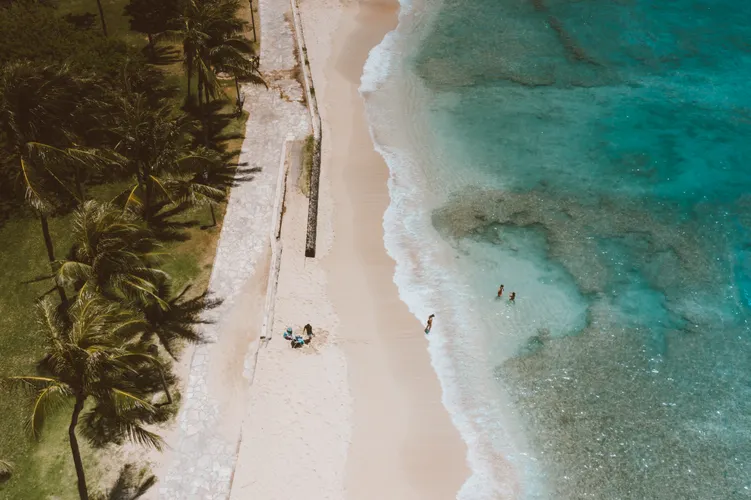
Photo by Marc Snailum on Unsplash
02
Snorkeling on Maui
Maui is, by common consensus, the best snorkeling island in Hawaii, with the healthiest reefs and the widest variety of spots, from beginner bays to boat only sanctuaries, and one truly iconic destination.
That destination is Molokini, a crescent shaped, partly submerged volcanic crater a few miles off Maui's south coast. Its sheltered inner bay offers astonishing water clarity (often 100+ feet of visibility) and is a marine sanctuary home to more than 250 species of fish. It is reachable only by boat, and a Molokini snorkel trip is one of the most popular things to do on the island for good reason.
★4.9(870)
2-Hour Molokini Guaranteed Snorkel Trip from Maui
2 hours
Free cancellation
from
$144
Beyond Molokini, Maui's shore snorkeling is excellent, Honolua Bay (a marine reserve on the northwest coast, best in summer), Turtle Town along the south shore near Maluaka (reliable for honu), and Kapalua Bay (a calm, beginner friendly crescent). Pair the snorkeling with the rest of things to do on Maui, and you can see why Maui tops most Hawaii snorkeling lists. Compare Maui hotels on Expedia (also on Booking.com) to base on the south or west coast near the reefs.
A few Maui tips, most Molokini boats leave from Maalaea (Maʻalaea) or Kihei very early (think 6 to 7 a.m.) precisely because the crater's water is glassiest before the wind comes up, so book a morning departure and embrace the alarm. Many trips add a second stop at Turtle Town, giving you crater fish and honu in one outing. If you would rather stay on shore, Kapalua and the Olowalu reefs are gentle, walk-in options. And note that Honolua, like Kauai's north shore, is a summer only proposition, winter swells make it rough and unsafe.
03
Snorkeling on Oahu
Oahu's snorkeling is the most accessible in Hawaii, much of it is a short trip from Waikiki, and it is anchored by one of the most famous snorkel spots in the world.
Hanauma Bay is the star, a protected marine life conservation area in a sheltered volcanic crater, home to over 300 species of fish and famously beginner friendly. It is also carefully managed, nonresidents pay an entry fee (around $25), you need an advance reservation (released two days ahead at 7 a.m. and snapped up fast), and it is closed on Tuesdays to give the reef a rest. Get there early.
Beyond Hanauma, Oahu has plenty, Sharks Cove on the North Shore (a superb reef in summer, despite the name), Electric Beach on the west side, and boat trips to Turtle Canyon off Waikiki. Our dedicated guide to the best snorkeling on Oahu covers all of it in detail, and the island is also a top spot to see turtles.
Oahu's big advantage is convenience, you do not need to rent a car or island hop to find a good reef. From a Waikiki base you can rideshare to Hanauma Bay in 20 minutes, or step onto a Turtle Canyon snorkel boat right at the beach. The catch is that Oahu is the busiest island, so the famous spots get crowded, which loops back to the golden rule of going early. For a quieter reef, the North Shore and west side spots in calm summer conditions reward the extra drive, and they sit well off most visitors' radar.

Photo by Pascal van de Vendel on Unsplash
04
Snorkeling on the Big Island
The Big Island has some of the clearest water and most unusual snorkeling in the state, thanks to its young, lava formed coastline and calm, protected bays.
The crown jewel is Kealakekua Bay, consistently called the best snorkeling on the Big Island, a protected Marine Life Conservation District of clear, calm water and vibrant reef near the Captain Cook Monument, reached by boat, kayak, or a strenuous hike. Nearby Two-Step (Honaunau Bay), beside Puuhonua o Honaunau National Historical Park (the Place of Refuge), is a local favorite, named for its natural lava ledge entry into a bay full of fish, turtles, and the spinner dolphins that often rest there in the morning.
But the Big Island's signature experience is the manta ray night snorkel off the Kona coast, floating at the surface holding a lighted board as enormous, harmless manta rays (with wingspans up to 12+ feet) loop and barrel roll to feed on plankton drawn by the lights inches beneath you. It is genuinely awe inspiring and unlike anything else in Hawaii, regularly ranked among the top night dives on the planet.
The Big Island's young geology gives it a snorkeling character all its own, very clear water over dramatic lava formations, with fewer sandy beaches but more pristine, protected bays. Beyond Kealakekua and Two-Step, Kahaluu (Kahaluʻu) Beach Park is a famously easy, fish packed spot right in Kona (great for beginners and turtles), though it gets busy and has a small parking lot that fills early. Over on the rainy Hilo side, Richardson Ocean Park is a calm, black sand, turtle friendly spot worth knowing if you are based east. Fold a morning reef snorkel and an evening manta trip into the rest of things to do on the Big Island for an unforgettable ocean day, few places let you see vivid daytime reef and gliding mantas under the stars within a single day. Compare Big Island hotels on Expedia (also on Booking.com) to base on the Kona side near the reefs and the manta dive.
05
Snorkeling on Kauai
Kauai's snorkeling is gorgeous but highly seasonal, governed by the island's powerful surf, get the timing right and it is spectacular, get it wrong and the best spots are off limits.
The headline reefs are on the north shore, Tunnels Beach (Makua), with its huge offshore reef system, and Kee Beach at the end of the road by the Kalalau Trail. These are spectacular in the calm summer months (roughly May, September) but can be dangerous when winter swells arrive, so they are strictly a fair weather, calm day proposition. Always check conditions.
For more reliable year round snorkeling, head to the sunnier, calmer south shore, Poipu Beach is family friendly and dependable, and a guided Poipu shore snorkel is a great low stress option. You can also snorkel the Na Pali Coast by boat tour in summer.
The cardinal rule on Kauai bears repeating because the island's surf is no joke, only snorkel the north shore in calm, flat summer conditions, and always check the daily ocean report and warning flags. Spots like Kee and Tunnels that are idyllic in July can have deadly currents in winter. When the north shore is rough, simply switch to the protected south side, Poipu and nearby reefs stay snorkelable far more of the year. Respect that seasonal rhythm and Kauai offers some of the most beautiful, uncrowded reef in the islands. Tunnels in particular, with its maze of lava tubes and arches just offshore, is a genuinely special swim when the sea cooperates. See our things to do on Kauai guide to build it into a wider trip, and compare Kauai hotels on Expedia (also on Booking.com) to base near the reefs.
06
Shore vs boat snorkeling
One big choice shapes your snorkeling, do you walk in from the beach, or take a boat? Both are great, and the right pick depends on the spot and your comfort level.
Shore snorkeling is free, flexible, and spontaneous, you rent or bring gear and walk in whenever conditions look good. It is perfect for beginners at calm, protected beaches like Hanauma, Poipu, or Kapalua. The downsides, the very best reefs (Molokini, Kealakekua) often are not reachable from shore, and you are on your own for safety and conditions.
Boat snorkeling gets you to the marquee spots, Molokini, the Na Pali Coast, Kealakekua, Turtle Canyon, that you simply cannot reach otherwise, with crew, gear, flotation, and often breakfast or lunch included. It costs more and runs on a schedule, but for the once in a trip "wow" reefs, and for nervous swimmers who want support and flotation, it is well worth it.
A few pointers for choosing a boat trip, morning tours almost always have calmer, clearer water than afternoon ones. smaller boats get closer and feel more personal, while big catamarans are stable and good for families and the seasick prone. And a whale sighting bonus comes free in winter, when humpbacks often appear on the ride out. Read recent reviews for "calm" and "fish," and check what is included (gear, flotation, food). Many visitors do both styles, easy shore snorkeling on beach days, and one boat trip for the headline reef. If budget is tight, prioritize the boat trip for the spot you genuinely cannot reach otherwise (Molokini, Kealakekua, Na Pali) and snorkel everything else for free from shore.

Photo by Teguh Arisma on Unsplash
07
Best time to snorkel and what you will see
Here is the one strong opinion in this guide, and it is the difference between a great snorkel and a murky, choppy one, go early in the morning. It matters more than the spot.
Early morning brings the calmest, clearest water before the wind picks up and stirs up the surface and sediment, plus the fewest crowds and the best light. By afternoon, many spots get windy, wavy, and cloudy underwater. Season matters too, Hawaii's summer (roughly May, September) brings calmer seas to north- and west facing shores, while winter surf can make many spots (especially Kauai's and Oahu's north shores) unsafe, though south shores often stay calm year round.
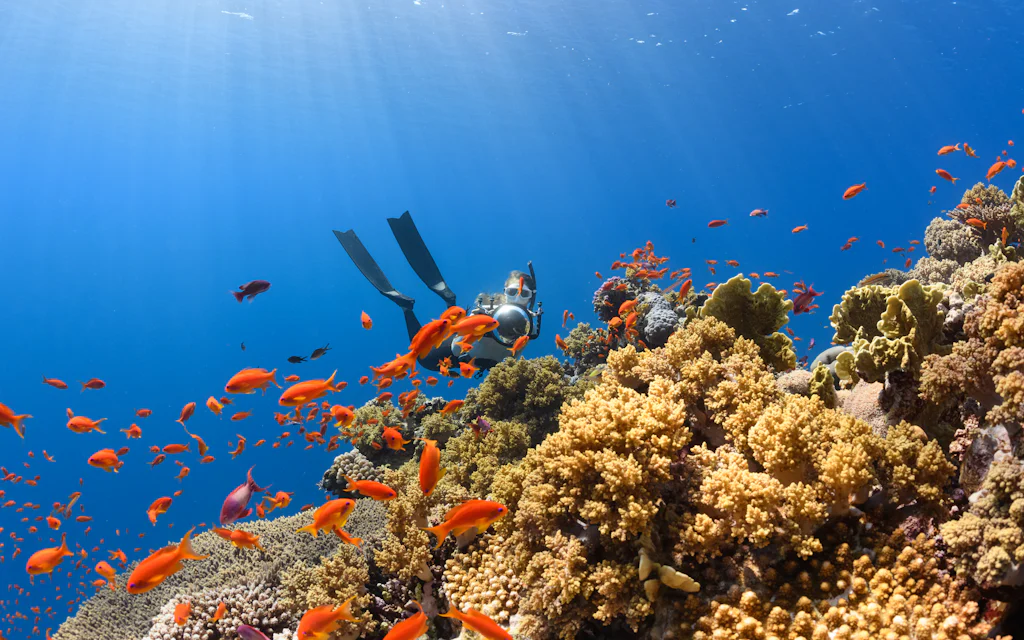
As for what you will see, clouds of brilliant reef fish (including the wonderfully named state fish, the humuhumunukunukuapuaa), green sea turtles, eels, octopus, and vibrant coral, with the occasional reef shark (harmless) or, on a Big Island night dive, manta rays. Hawaii's reefs are full of endemic species you will not see anywhere else on the planet, every snorkel is a little safari.
To gauge conditions, the simplest tell is to look at the water before you get in, if it is flat, glassy, and clear, go. If it is churned up, cloudy, or breaking with waves, wait or move to a calmer shore. Lifeguarded beaches post daily condition signs and surf height warnings worth heeding, and the state's ocean safety site and local surf reports are gold for planning. The reefs are not going anywhere, so there is never a reason to push into rough water for a session, a calm morning will reward you far more.
08
Snorkeling safety and reef etiquette
Snorkeling is safe and easy, but the ocean demands respect, and so does the fragile reef you came to see. A few rules keep both you and the reef healthy.
For your safety, never snorkel alone, check conditions and heed warning flags and signs, be honest about your swimming ability (use a flotation vest or pool noodle if you are unsure), and respect currents, if you are being pulled, swim parallel to shore, not against it. Many Hawaii drownings involve visitors snorkeling in conditions beyond their comfort, so when in doubt, stay out or join a guided tour.
For the reef, never touch, stand on, or kick the coral, it is a living animal that takes decades to grow and dies from a single careless touch. Do not touch or chase turtles or other marine life (it is also illegal to harass turtles and monk seals, with a 10-foot distance rule for honu). And use reef safe mineral sunscreen, Hawaii has banned the oxybenzone and octinoxate that bleach coral, so it is both the law and the right thing. Float gently, look with your eyes and not your hands, and leave the reef exactly as you found it.
A couple more habits protect both you and the reef, wear a rash guard instead of slathering on sunscreen where you can (less chemical in the water, less burn on your back), and mind your fins, most accidental coral damage comes from people standing up in shallow water or kicking down onto the reef without realizing it. Keep your body horizontal, stay in the deeper water over the coral rather than on top of it, and never chase a turtle for a photo. If you stay still, the curious ones often come to you. Snorkeling responsibly is how these reefs stay worth visiting for the next traveler.
09
What to bring
A little gear and preparation makes snorkeling far more enjoyable. You do not need much.
The essentials,
- A well fitting mask and snorkel. A leaky or fogging mask ruins the experience. If you snorkel often, bringing your own mask and snorkel set that you know fits is worth it. Otherwise, rent quality gear locally rather than buying a cheap set.
- Fins for easier, safer swimming, especially where there is any current (optional for calm, shallow bays).
- Reef safe mineral sunscreen and a rash guard or UV shirt, your back roasts while you float face down, so cover up.
- A flotation device (vest or pool noodle) if you are not a confident swimmer, no shame, and it lets you relax and enjoy.
- Water, a towel, and water shoes for rocky entries like Two-Step.
If you wear glasses, prescription masks exist and are worth every penny. And consider a cheap anti fog spray or the old spit and rinse trick to keep your mask clear. Get the gear sorted and the rest is just floating in warm blue water watching the show.
A note on buying versus renting, if you will snorkel only once or twice, rent quality gear from a dive shop (a few dollars a day, properly fitted) rather than buying a flimsy set from a chain store, which often leaks and fogs. If you will snorkel repeatedly across a trip, a midrange mask and snorkel set you have tested for fit at home pays for itself in comfort and clear vision. Either way, the single most important factor is mask fit, press it to your face without the strap and inhale. If it stays put, it will seal in the water. A leaky mask, more than anything else, is what turns people off snorkeling.
10
Getting there and planning your snorkel trip
Snorkeling fits into almost any Hawaii itinerary, since every island has great spots, it is more about timing your sessions well than traveling far.
Wherever you are based, you are rarely far from a good reef, build snorkeling into your beach days (go first thing in the morning, when visibility is best and the parking lots are not yet full), and book one boat trip for the marquee spot on your island, Molokini on Maui, a Na Pali tour on Kauai, Kealakekua or the manta night snorkel on the Big Island, or Turtle Canyon on Oahu. Our island guides to Maui, Oahu, Kauai, and the Big Island help you slot it in. A good rhythm is to keep your gear in the car and seize calm mornings as they come, rather than locking in a snorkel for a specific day when the ocean may not cooperate, flexibility is the snorkeler's best friend in Hawaii.
If you are trying to decide which islands to visit at all, snorkeling is a fair tiebreaker, our best island to visit in Hawaii guide weighs it alongside everything else, and Maui's edge underwater is one reason it lands near the top for ocean lovers. And if you are combining islands, our island hopping guide helps you plan the logistics so you can snorkel a different signature reef on each.
A last note, since we run beach picnics on Oahu (from $349 for two), a morning snorkel followed by a lazy beach afternoon is a near perfect Hawaii day, and a sunset on the sand is a lovely way to end it. However you do it, get in the water early, protect the reef, and Hawaii's underwater world will give you some of the best moments of your trip.
FAQ
Which Hawaiian island has the best snorkeling?
Maui is widely considered the best for snorkeling, with the healthiest reefs, the most variety, and the iconic Molokini crater. That said, every main island has excellent snorkeling, Oahu's Hanauma Bay, the Big Island's Kealakekua Bay and manta ray night snorkel, and Kauai's north shore reefs in summer, so you can have an unforgettable experience wherever you visit.
What is the best snorkeling spot in Hawaii?
Molokini, the crescent shaped volcanic crater off Maui, is often called the single best snorkeling spot in Hawaii for its clarity (often 100+ feet of visibility) and 250-plus fish species. Hanauma Bay on Oahu and Kealakekua Bay on the Big Island are other top contenders. The best spot for you depends on which island you are visiting.
When is the best time to snorkel in Hawaii?
Early morning is best, the water is calmest and clearest before the wind picks up, with the fewest crowds. Seasonally, summer (May, September) brings calmer seas to north- and west facing shores, while winter surf can make many spots unsafe. South shore spots often stay calm year round. Always check daily conditions.
Is snorkeling in Hawaii good for beginners?
Yes. Many top spots are beginner friendly, calm, protected bays you can walk into, Hanauma Bay (Oahu), Poipu (Kauai), and Kapalua Bay (Maui) are great starts. Use a flotation vest if you are not a strong swimmer, go on a calm morning, and consider a guided tour, which provides gear, flotation, and supervision.
Do you need a boat to snorkel in Hawaii?
No, there is wonderful shore snorkeling you can walk into on every island. But the most famous spots, like Molokini (Maui) and Kealakekua Bay (Big Island), are only reachable by boat (or, for Kealakekua, a hard hike or kayak). Many visitors do both, shore snorkeling on beach days and one boat trip for a marquee reef.
Is Hanauma Bay worth it?
Yes, for its sheer abundance of fish and beginner friendly, protected water, but plan ahead. Nonresidents need an advance reservation (released two days out at 7 a.m. and gone fast), pay an entry fee, and it is closed Tuesdays. Arrive early. If you cannot get a reservation, Oahu has other great spots like Sharks Cove and boat trips to Turtle Canyon.
What should you not do while snorkeling in Hawaii?
Never touch, stand on, or kick the coral (it is a living animal that dies from contact), and never touch or chase turtles, monk seals, or other marine life (harassing them is illegal). Do not snorkel alone or in rough conditions, do not feed the fish, and always use reef safe mineral sunscreen, chemical sunscreens that harm coral are banned in Hawaii.
Disclosure: Some links on this page are affiliate links. If you book or buy through them we may earn a small commission, at no extra cost to you. As an Amazon Associate, we earn from qualifying purchases.