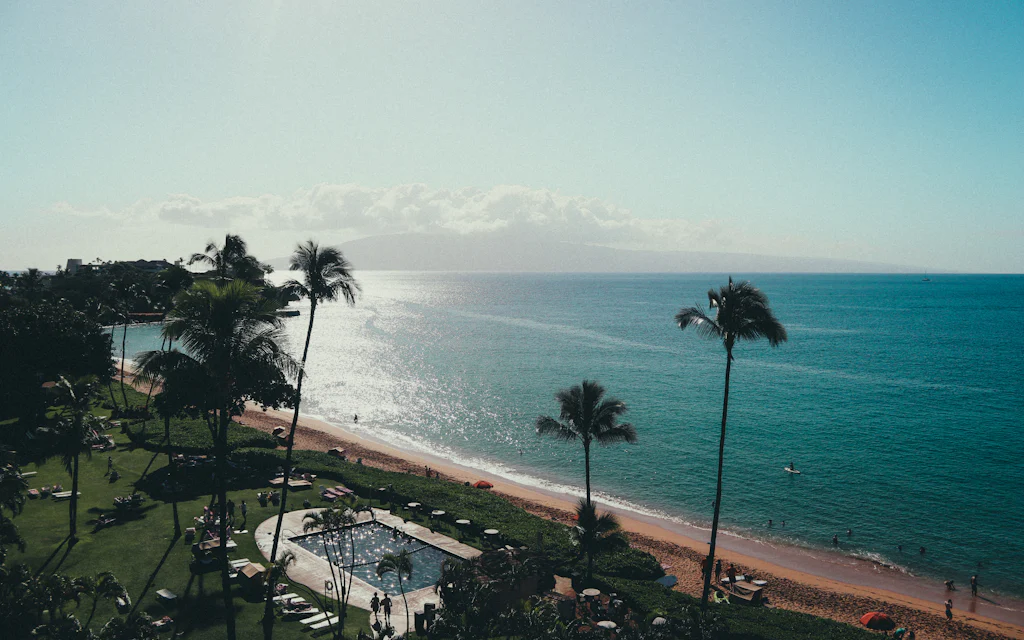
Things to Do in Maui: 20 Best Picks Worth It in 2026
22 min readYndira W. Tonin
The best things to do in Maui, in order of how much they will dominate your camera roll, drive the Road to Hana, watch the sunrise from Haleakala, snorkel Molokini Crater, and lie on a beach until you forget your own email password. Do those four and you have had a great trip. Try to do all of Maui in three days and you have had a driving tour of Maui, which is a different and worse thing.
Here is the honest version. Maui is not a "see everything" island, it is a "pick a few big things and let the rest be beach" island. The drives are long, the best stuff requires getting up embarrassingly early, and the island will happily eat a full day with one road. So plan loosely, leave the cooler in the car, and accept that you will not do it all. This guide is sorted by experience so you can build a trip around what you actually came for.
Table of Contents
- How to do Maui without losing your mind
- Drive the Road to Hana
- Watch the sunrise at Haleakala National Park
- Snorkel Molokini Crater and meet a turtle
- Hit the beaches, South Maui vs West Maui
- See the whales
- Go to a luau
- Quick hits, Iao Valley, Paia, and upcountry
- Eat your way around Maui
- What to skip (or do differently)
- When to go and where to stay
- FAQ, things to do in Maui
01
How to do Maui without losing your mind
Two numbers run your whole trip, how many days you have, and how early you are willing to wake up.
Days: five to seven. Three days is enough to see the west side beaches and pick one big adventure. A week lets you do the Road to Hana, the Haleakala sunrise, a snorkel trip, and still have beach days that do not feel rushed. Maui is deceptively spread out, the island looks small on the map and then you spend ninety minutes driving from your hotel to a trailhead, wondering where the time went.
Early mornings: non-negotiable for the headline stuff. The sunrise volcano, the Road to Hana, the snorkel boats, all of them reward the people who set an alarm and punish the people who sleep in. It feels deeply unfair on vacation. It is also just how Maui works, and once you make peace with one or two early starts, the rest of the days can be gloriously lazy.
The four sides of Maui, sorted
West Maui
- Best for
- Kaanapali resort row, Black Rock snorkeling, Napili calm — the classic first-timer base.
- The catch
- Afternoon clouds on the mountains, and the longest drive to Hana.
South MauiOur pick
- Best for
- Wailea polish, Kihei value, Makena drama — the dry, sunny, calm-morning side.
- The catch
- The least shade on the island; mornings are everything.
Upcountry and Haleakala
- Best for
- The sunrise summit, paniolo towns, lavender and coffee farms, cool air.
- The catch
- It is genuinely cold up top — pack the layers you swore you would not need.
East Maui (Hana)
- Best for
- The Road to Hana, Waianapanapa's black sand, waterfalls, rainforest.
- The catch
- 620 curves, timed-entry reservations, and almost nowhere to buy gas.
For the season, aim for April to early June or September to early November, warmer water, thinner crowds, lower rates. Our best time to visit Maui guide has the month by month breakdown, and if you are still choosing islands at all, the best island to visit in Hawaii comparison puts Maui next to the rest.
One more logistic that decides the whole trip, you will need a rental car. Maui has almost no useful public transit, the good stuff is scattered across the island, and the rideshare supply thins out the moment you leave the resort zones, try to summon a Lyft in Hana and you will have time to grow a beard. Book the car when you book the flight, because rental supply on Maui is famously tight and prices spike when it runs low.
02
Drive the Road to Hana
The Road to Hana is the most famous drive in Hawaii and the single most Maui thing you can do, 620 curves and 59 one lane bridges of rainforest, waterfalls, black sand beaches, and roadside banana bread, strung along the island's green eastern edge.
The trick is understanding what it is. It is not a destination, almost nobody is going to the actual town of Hana for the town of Hana. The drive is the attraction. So the worst thing you can do is treat it like a commute and floor it to the end. The best thing you can do is leave at sunrise, stop constantly, and accept that you will not see every waterfall (there are roughly a thousand, give or take a thousand).
A few honest notes. The curves are real, and somewhere around curve 300 a passenger in the back seat will go quiet in the specific way that means "find a turnout." Pack accordingly. Bring cash for the fruit stands and the banana bread, which is not optional and is somehow always warm.
We recommend a self guided audio tour or a guided Road to Hana day trip so the driver actually gets to look at the rainforest instead of the next hairpin. If you can, spend a night in Hana and drive back the next day, the road is a different, calmer animal when you are not racing the sunset home. And gas up before you leave Paia, there is essentially nowhere to fill the tank for the rest of the drive, a detail a surprising number of people learn at the precise worst moment, halfway around a volcano with the needle on E.
One reservation now decides the day, Waianapanapa State Park, the black sand beach most people are actually driving to, requires an advance timed entry reservation for out of state visitors, booked through Hawaii State Parks. Lock your window when you book the rental car. The gate does not do walk-ins, and looking at that beach through a fence is a uniquely bad feeling.
The Road to Hana, run properly
- 16:30am
Gas up in Paia
Last reliable tank before the curves. Grab breakfast and road snacks while you are at it.
- 27:00am
Leave before the crowds
The early start is the whole strategy, turnouts are empty and the light is better.
- 39:30am
Stop constantly
Twin Falls, bamboo, fruit stands. The drive is the attraction. The town is just the turnaround.
- 411:30am
Waianapanapa, on your window
Black sand, sea arches, timed entry booked in advance for out of state visitors.
- 51:30pm
Lunch in Hana, then decide
Push on to Oheo Gulch if the pools are open, or start the drive back rested.
- 64:00pm
Head home before dark
The curves are twice as long at night. Banana bread for the road is mandatory.
03
Watch the sunrise at Haleakala National Park
Here is the pitch, set an alarm for 3 a.m., on vacation, voluntarily, and drive two hours up a dormant volcano to stand in 35-degree wind wearing the shorts you packed for a beach. Here is the catch, it is one of the most spectacular things you will ever see, and you will be glad you did, which is genuinely the most confusing part of the whole experience.
Haleakala National Park summits at 10,023 feet, well above the clouds, and watching the sun crest the horizon over a sea of them is the kind of thing that makes a carful of strangers go silent.
Haleakala National Park sunrise, by the numbers
Two practical, trip saving facts. First, sunrise viewing (3 to 7 a.m.) requires a reservation, $1.00 per vehicle on Recreation.gov, released 60 days out with a small 48-hour batch, and they sell out in minutes. Park entry is separate ($30 per car, good for three days) through the national park. Second, it is genuinely cold up there. Bring every layer you own, because "I will be fine, it is Hawaii" is how people end up wrapped in a rental car floor mat at 9,000 feet.
If the predawn drive in the dark up a switchback volcano does not appeal, a reasonable position, a guided Haleakala sunrise or sunset tour hands off the driving and the navigation so you can just be cold and amazed. Sunset up there is nearly as good and involves a far more civilized wake up time. Either way, check the forecast before you commit, the summit makes its own weather, and a socked in morning means you drove two hours in the dark to watch fog do an impression of more fog. On a clear day, though, it is the best sunrise in the state, full stop.
★4.7(2,318)
Maui: Haleakala Sunrise Spectacular with Local Breakfast
10 hours
Free cancellation
from
$254
04
Snorkel Molokini Crater and meet a turtle
Just off Maui's south coast sits Molokini Crater, a crescent shaped volcanic crater poking out of the ocean, looking like the moon took a bite out of it. Molokini Crater's sheltered inside is some of the clearest snorkeling water in Hawaii, with visibility that can hit 150 feet and a wall of reef fish that do not seem remotely concerned by your presence.
You can only reach Molokini by boat, so this is a tour, not a swim from shore situation. The morning trips get the calmest, clearest water (the wind picks up by afternoon, and so does everyone's lunch on the ride back), so book early in the day. Most Molokini snorkeling tours pair the crater with a stop at "Turtle Town" along the coast, where green sea turtles cruise around with the unbothered confidence of animals that know they are protected by federal law. Keep your distance, do not touch, and let them be the celebrities they are.
If a boat is not your thing, the shore snorkeling at spots like Honolua Bay and Ulua Beach is excellent on calm days, fewer logistics, still plenty of fish, and you can get out whenever your feet get cold.
Molokini Crater snorkeling, by the numbers
A few practical notes, choose a tour leaving from Maalaea or Kihei (the closer harbors mean more time in the water and less time motoring), bring reef safe sunscreen because the crater is a protected marine sanctuary and Hawaii banned the coral killing kind anyway, and do not plan to touch a thing, the whole reserve is hands off, which is precisely why the fish are so plentiful and so spectacularly indifferent to you. If you are seasickness prone, take something before you board, sit mid boat, and keep your eyes on the horizon rather than the reef.
05
Hit the beaches: South Maui vs West Maui
Maui's beaches are the reason the island shows up on every honeymoon list, and they range from "calm enough for a toddler" to "respect the lifeguard or else."
The split that organizes every beach day, South Maui (Wailea, Kihei, Makena) is the dry, sunny, calm morning side, while West Maui (Kaanapali, Napili, Kapalua) is known for the resort row and the snorkel bays. You cannot pick wrong, but you can pick far, the two sides are 45 minutes apart, so plan beach days by side, not by whim.
South Maui vs West Maui beaches
South MauiOur pick
Wailea · Kihei · Makena
- The dry, sunny side, most reliable mornings
- Wailea calm and polished
- Makena (Big Beach) wide and wild
- Flat paved beach path links the coves
- Best pick for swim first days
West Maui
Kaanapali · Napili · Kapalua
- Three miles of Kaanapali resort sand
- Black Rock cliff dive at sunset
- Napili Bay calm for families
- Best snorkel bays on calm days
- Walkable resort strip behind the beach
- Kaanapali Beach (west). Three miles of golden sand fronting the classic resort row, with the daily cliff diving ceremony off Black Rock at sunset. The crowd pleaser, and a great place to learn that you do not, in fact, have any pressing obligations.
- Wailea (south). Polished, sunny, and lined with the kind of resorts that fold your towel into animals. Calm water, gorgeous, and priced accordingly.
- Makena (Big Beach). Wide, wild, and undeveloped, with a powerful shore break that is beautiful to watch and humbling to misjudge. Great for sunbathing, less great for casual swimming.
- Napili Bay (west). A small, calm crescent that is excellent for families and snorkeling, and just hard enough to park at to keep the crowds honest.
- Hookipa Beach (north shore). Less a swimming beach, more a spectacle, windsurfers and surfers in the water, and green sea turtles that haul out onto the sand by the dozen in the late afternoon to nap in a pile. Pull over, watch from behind the rope, and keep your distance. They are protected and entirely uninterested in your selfie.
- The Wailea beach path (south). A flat, paved coastal walk links the south shore resort beaches, Mokapu, Ulua, and Wailea, so you can beach hop on foot, snorkel a different cove at each stop, and pretend you are getting exercise between snacks.
The same rule applies as on every Hawaiian island, respect the ocean, check the surf, and swim where there are lifeguards. The Pacific does not care about your itinerary, your dinner reservation, or how good a swimmer you were in high school.
06
See the whales
From roughly December through May, the warm channel between Maui, Lanai, and Molokai becomes the busiest humpback whale nursery in Hawaii, and Maui is the best island in the state to see them. Thousands of humpbacks migrate here every year to mate and calve, and they are not subtle about it.
You can spot them from shore (the pull offs along the Honoapiilani Highway between Maalaea and Lahaina are free front row seats, bring binoculars and you will see spouts and tail slaps without spending a dollar), but a whale watching tour gets you out into the channel where a 40-ton animal will, without warning and for no reason anyone has ever fully explained, hurl its entire body out of the water, at which point everyone on the boat screams like they have just won a game show. It does not get old. It will not get old. Bring a jacket and a camera you do not mind getting a little wet.
The peak is January through March, when the protected, shallow channel between Maui, Lanai, and Molokai can hold dozens of whales at once and the mothers are busy teaching brand new calves how to be whales, which is exactly as adorable as it sounds. That sheltered channel is the entire reason Maui is the best whale watching in the state. Go in the morning for the calmest water, keep the legally required distance (the whales did not sign a waiver), and brace for the boat to fall dead silent in the half second before a breach turns everyone back into a screaming child.
When the humpbacks are in the channel
- Jan
- Feb
- Mar
- Apr
- May
- Jun
- Jul
- Aug
- Sep
- Oct
- Nov
- Dec
- Peak whales — Dec-Mar, mothers and calves fill the channel
- Shoulder — Early arrivals and stragglers, sightings likely
- No whales — They are in Alaska, eating
07
Go to a luau
A luau is the one organized, slightly touristy evening that genuinely earns it on Maui, because the good ones are equal parts feast, fire, and a real telling of Hawaiian and Polynesian history. You get kalua pig pulled from an underground imu, you get the hula and the fire knife dancing, and you get a sunset thrown in for free.
Book ahead, the well regarded ones sell out, especially in summer, and go in hungry and curious rather than just hungry. It is the rare buffet that comes with a thousand years of storytelling, and the rare cultural show that also lets you eat your weight in haupia. Skip the bare bones hotel lawn version if you can. The difference between a phoned in luau and a great one is the difference between a costume and a culture.
On Maui, the two names worth knowing are the Old Lahaina Luau, long regarded as the most authentic and respectful on the island, and Te Au Moana in Wailea, the polished oceanfront resort show with a fire knife finale. (Feast at Lele, the plated Lahaina favorite, closed in the 2023 fire.) Our best luau in Maui guide ranks them all by price, food, and who each is for.
Maui's two luaus worth planning around
Old Lahaina LuauThe classic
The most authentic and respected luau on the island, culture first, oceanfront, sells out weeks ahead.
Feast at LeleThe splurge
Plated five course tour of Polynesia served on the sand, the premium, sit down version.
Everything elseDo homework
Resort lawn shows vary wildly. Read the full ranking before you book one on autopilot.
Expect kalua pig steamed for hours in an underground imu, poi you should try at least once (even if just to say you did), lomi salmon, and a fire knife finale that earns the gasp every single time. The storytelling walks you through the Polynesian voyagers who found these islands by reading the stars and the swells, which is a genuinely humbling thing to consider over your third helping of haupia.
08
Quick hits: Iao Valley, Paia, and upcountry
A few smaller stops earn their drive time without owning a whole day.
Iao (ʻĪao) Valley State Monument is a 20-minute stop, not a half day, a short paved hike to the needle, a heavy piece of history (Kamehameha's forces took Maui here at the Battle of Kepaniwai in 1790), and one modern catch, out of state visitors now need an advance parking reservation. The full Iao Valley guide has the booking details. Pair it with the Maui Tropical Plantation and Central Maui errands rather than making a special trip.
Paia is the windsurf town at the start of the Hana Highway, one walkable strip of good coffee, fish tacos, and the last honest gas stop before the curves. Come for breakfast, stay for the people watching, and if the timing works, Hookipa's windsurfers and napping turtles are ten minutes further down the road.
Upcountry is the Maui most visitors never meet, cool air on Haleakala's lower slopes, lavender and coffee farms that offer tours and tastings, the last working Maui pineapple farm you can tour, paniolo towns like Makawao, and the area's eucalyptus trails giving you actual hiking weather. When you finally tire of the beach, it happens to the best of us, exploring up here is the best half day of tropical farm hopping in the state, and the views come free. Makawao is the stop with the most character, a paniolo (Hawaiian cowboy) town where the must do is a cream puff from Komoda Store, a bakery that has been selling out by midmorning for a century. Add the Alii Kula Lavender farm or Surfing Goat Dairy and you have built the least beachy, most quietly great afternoon on the island.
The Maui Ocean Center in Maalaea is the central Maui rainy day and with kids backup, Hawaii's largest aquarium, all of it Hawaiian sea life, with a walk through shark tunnel and a turtle lagoon. Plan about two hours, and buy tickets online to save.
09
Eat your way around Maui
Maui eats extremely well, and the spectrum runs from world renowned to a shrimp truck in a parking lot, with no wrong answers. Our best restaurants in Maui guide breaks the whole island down by region, from Mama's Fish House to the strip mall counters where locals eat, or grab the printable Maui Dining Field Guide (PDF) to plan it on one page.
At the top sits Mama's Fish House, the legendary oceanfront institution that takes reservations roughly the way Ivy League schools take applications, months out, and worth it. Below that is a deep bench of the good stuff, fish tacos, fresh poke from a market counter, Maui Gold pineapple so sweet it feels like a prank, banana bread on the Road to Hana, and shave ice that hits differently after a sunrise volcano. Paia and the west side towns have the walkable food scenes. The food trucks scattered around Kihei and the north shore are where the locals actually eat. Follow the line, not the billboard, that rule works on every island, and it has never once let me down.
A few more names to chase, Ululani's is the shave ice the whole island quietly argues about. Leoda's Kitchen and Pie Shop justifies pulling over on the way to Lahaina for a hand pie you will think about for weeks. And the Kihei food trucks feed you extremely well for under fifteen dollars with sand still on your feet. Wash it down with a Maui Brewing beer and hit a farmers market, or the Saturday Maui Swap Meet, for apple bananas. And because the upcountry slopes grow coffee, cacao, and lavender, you can spend a whole afternoon eating and drinking your way through a working farm when you finally tire of the beach, a sentence I did not believe applied to me until it did.
10
What to skip (or do differently)
The honest list, because somebody should say it,
- Do not do the Road to Hana and the Haleakala sunrise on the same day. That is not a vacation, that is a dare. Each deserves its own day and its own nap afterward.
- Do not show up to the volcano or a snorkel boat without a reservation. Haleakala sunrise and the best Molokini tours sell out days ahead. "We will just wing it" is how you end up doing neither.
- Do not rush the Road to Hana to "finish" it. There is nothing to finish. Turning around halfway, having stopped at every waterfall, beats reaching the end having seen none of them.
- Do not pack only beach clothes. The summit is genuinely freezing, the rainforest is genuinely wet, and "it is Hawaii" is not a layering strategy.
- Do not try to also "do" another island in a one week trip. Maui is a full week on its own. Island hopping a short trip just means seeing two airports.
- Do not skip breakfast before the Road to Hana. Almost nothing is open out there until the first fruit stands, and tackling 620 curves on an empty stomach is a rookie mistake your fellow passengers will not forgive.
- Do not plan the trip around swimming at Oheo Gulch. The Seven Sacred Pools close to swimming far more often than they open. Hike Pipiwai's bamboo forest instead, and treat a swim there as a lottery win, not an itinerary item.
- Do not book a sunset luau and a sunset dinner cruise in the same week. Two organized sundowns is one too many. The free one off your lanai is also spectacular and requires no reservation, no shuttle, and no pants.
11
When to go and where to stay
The sweet spot seasons are April to early June and September to early November, warm water, fewer crowds, lower rates. Winter brings the whales (and the biggest crowds and prices). Summer is hot, sunny, and busy.
For where to base yourself, the west and south sides are the sunny, beachy, resort heavy zones. Wailea is manicured, sunny, and priced like it, the swim up bar, towel folded into a swan end of the island. Kaanapali gives you a long swimmable beach, the nightly Black Rock cliff dive ceremony, and a walkable resort strip. Kihei trades the polish for value, food trucks, and quick beach access, which is why budget conscious repeat visitors love it.
The Kapalua and Napili end is quieter and greener if you want to feel a little removed, and the jumping off point for the wild Olivine Pools and Nakalele Blowhole drive up the northwest coast. Offbeat Paia or upcountry suits travelers who would rather have character than a concierge. Lahaina, the historic west side town devastated by the 2023 wildfire, is in active recovery. Visit respectfully, support the local businesses that have reopened, and check current status before you plan around it. Whichever side you pick, book flights and lodging early, Maui's rates swing hard with the season. You can compare Maui hotels on Expedia (also on Booking.com) across Wailea, Kaanapali, and Kihei.
And one honest note from us, we are an Oahu outfit, so if part of your Hawaii trip lands on Oahu, that is where we set up our beach picnics, you can see what we do here. On Maui, go eat at Mama's and watch a whale. We will hold down the other island.
FAQ: things to do in Maui
How expensive is a Maui trip?
The priciest of the four main islands, with escape hatches. Resort zones run big city prices and up, but Kihei lodging, food trucks under fifteen dollars, free shore whale watching, and shoulder season travel (April to May, September to October, rates drop 20 to 30 percent) pull the budget back toward sane. The Hawaii on a budget guide has the full playbook.
Is Maui still worth visiting after the Lahaina fire?
Yes, and visiting helps. West Maui's resort areas (Kaanapali, Napili, Kapalua) and the rest of the island are fully open right now, and the recovery runs on tourism. The experiences that make Maui Maui, the beaches, the summit, the snorkel boats, are all open. Lahaina town itself is still rebuilding and is not a sightseeing stop, so come, spend with the local businesses that have reopened, and give the town its space.
What is the number one thing to do in Maui?
The Road to Hana or the Haleakala sunrise, with snorkeling Molokini close behind. If you do one thing, make it the one that fits your trip, the drive for scenery lovers, the summit for the once in a lifetime view, the crater for the water.
Are there waterfalls you can swim in on Maui?
Some, when conditions allow. Twin Falls near the start of the Hana Highway is the reliable swimmable stop. The famous Oheo Gulch pools at Kipahulu are frequently closed to swimming, so treat a dip there as a bonus, never the plan. The Maui waterfalls guide sorts the swimmable from the look only.
Do you need reservations for Waianapanapa or Iao Valley?
Yes to both if you are visiting from out of state, current as of June 2026. Waianapanapa State Park (the black sand beach on the Road to Hana) requires a timed entry window, and Iao Valley requires an advance parking reservation, both through the state parks system. Haleakala sunrise is a third, separate booking on Recreation.gov. Make all three before you fly. None of them are known for mercy at the gate.
Is Maui or Oahu better?
Maui for beaches and romance, Oahu for variety and logistics. Maui brings the resort polish. Oahu brings the history, the food scene, and the easier first trip. Many first timers pick Oahu for the range. Couples and honeymooners often pick Maui. Our best island to visit guide compares them in depth.
What are the best free things to do in Maui?
Most of the best of Maui is free. Every beach is public by law, so the gold sand coves of Wailea and Kihei cost nothing. Sunset is free, snorkeling off Black Rock or Napili is free, the Road to Hana is just the price of gas, and in winter you can watch whales from the shore.
What are the best things to do in Maui with kids?
Stick to calm water and short drives. South Maui's gentle beaches like Kamaole and Wailea are made for little ones, Black Rock has easy snorkeling right off the sand, and the Maui Ocean Center in Maalaea is the all ages, rainy day backup. One luau covers dinner and a show in a single stop.
Can you take a day trip to Lanai from Maui?
Yes, the Expeditions ferry runs it daily. Since the 2023 Lahaina fire it leaves from Maalaea Harbor, not Lahaina, crossing the Auau Channel to Manele Harbor on Lanai, with three round trips a day. Snorkel Hulopoe Bay, see Lanai's quiet side, and ferry back by evening.
Disclosure: Some links on this page are affiliate links. If you book or buy through them we may earn a small commission, at no extra cost to you. As an Amazon Associate, we earn from qualifying purchases.


