Best Snorkeling in Maui: The 2026 Local's Guide
26 min readYndira W. Tonin
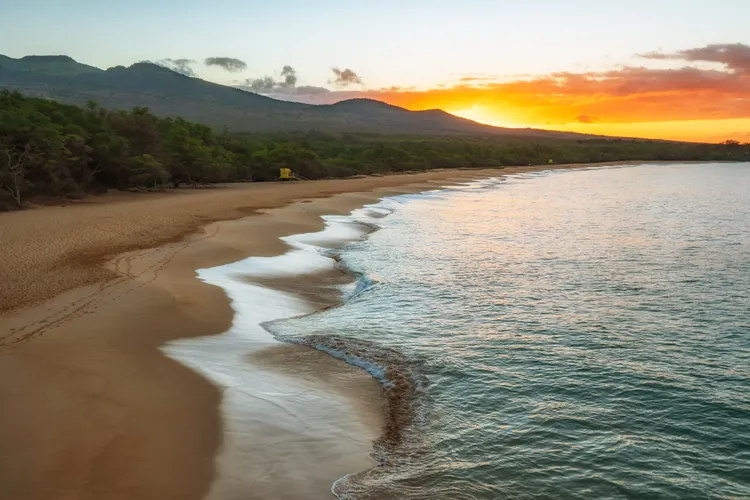
The best snorkeling in Maui is off the west and south coasts, in the calm of early morning - Black Rock and Honolua Bay straight off the sand, Turtle Town for the honu (sea turtles), and a boat out to Molokini for the clearest water on the island. Search the phrase and you get a hundred lists of the same beaches; what those lists skip is the part that actually matters - the reef doesn't care which resort you booked, it cares what time your alarm went off.
Get in by midmorning and Maui hands you turtles, living coral reefs, and reef fish in water you can wade into for free. Show up at 2pm into an onshore wind and the same bay looks like a washing machine full of sand. Timing is the whole game, and most guides bury it under the photos.
This guide covers it coast by coast: the best snorkeling spots in West Maui and South Maui, the boat only crater that earns its ticket price, where to actually find sea turtles, the best time of year, gear, and the honest safety rules. Prices and access are current as of June 2026.
It's written for first timers and nervous swimmers as much as for confident ones - we'll tell you which spots to learn on, which to skip on a big day, and the one trip worth paying for. Quick note on us: we run beach picnics on Oahu, not Maui, so we've got no tour to sell you here and no reason to oversell a bay. Just the straight read.
Table of Contents
- Where the snorkeling is, coast by coast
- The best snorkeling spots in West Maui
- The best snorkeling spots in South Maui
- Molokini and the boat only spots
- Shore snorkel or boat tour?
- Best Maui snorkeling for beginners
- Best Maui snorkeling for families
- Where to see green sea turtles
- When to snorkel Maui
- Gear: rent, buy, or bring
- Snorkeling safety
- If you only do one
- FAQ
Where Maui's snorkeling is, coast by coast
Maui's snorkeling lives on three stretches of coast, and which one is best depends entirely on the day. The west side (Lahaina up to Kapalua) and the south side (Kihei down to Makena) hold nearly all the shore reefs; the deep, clear water sits offshore at Molokini and Lanai (Lānaʻi), reachable only by boat. Pick by where you're staying and what the wind and swell are doing, not by whichever beach had the prettiest photo.
The rule of thumb locals live by: go west or south, and go early. Both leeward coasts are sheltered from the trade winds in the morning, which is exactly when the water is glassy and the visibility is best. By early afternoon the wind fills in, the surface chops up, and the fine sand the waves kicked up turns the shallows cloudy. A 7am snorkel and a 2pm snorkel at the same beach are two different sports.
Distance matters too, because Maui is bigger than it looks. From Kaanapali (Kāʻanapali), the west side reefs are minutes away and South Maui is a 45-minute drive; from Kihei (Kīhei) or Wailea, it's the reverse. Molokini boats leave from Maalaea (Maʻalaea) Harbor in the middle, handy from either base. If you're still deciding where to set up, our guide to where to stay in Maui breaks the coasts down.
Maui's three snorkeling coasts, sorted
West Maui (Lahaina to Kapalua)Shore reefs
The famous shore reefs: Honolua, Kapalua Bay, Napili, Black Rock, Airport Beach, and Olowalu. Clearest on calm summer mornings; a winter north swell roughs up the northern bays.
South Maui (Kihei to Makena)Most reliable
The most reliable coast: Ulua, Turtle Town at Maluaka, Keawakapu, Five Caves, and Ahihi-Kinau. Calm year-round if you beat the afternoon wind.
Boat-only (off the south coast)Worth the boat
Molokini and Lanai. The deep, clear, fish-dense water you cannot reach from any beach, on a half-day trip out of Maalaea or Kihei.
One more orientation note: the marquee shore spots are clustered, so you don't have to choose just one. A west side morning can hit Black Rock and Kapalua Bay back to back, since the whole area is compact; a south side morning can string Ulua, Turtle Town, and Keawakapu together before lunch. Plan the cluster of locations, not the single beach.
The best snorkeling spots in West Maui
West Maui is the postcard side - calm leeward bays, healthy reef, and the island's most famous shore snorkel at Kaanapali's lava point. The catch is the season: the northern bays sit exposed to winter north swells, so Honolua and Kapalua are glassy in summer and can be unswimmable in January. In the calm months, this is the best shore snorkeling on the island.

Photo: Jonathan Ikemura on Unsplash
Black Rock (Kaanapali)
Black Rock is the best free shore snorkel on Maui, full stop. Officially it's Pu'u Keka'a (Puʻu Kekaʻa), the lava point at the north end of Kaanapali Beach in front of the Sheraton, and it delivers turtles, a wall of reef fish, and clear water within a five minute swim of a sandy beach. Loop the point clockwise along the lava wall in the morning, stay aware of the current where it wraps the tip, and turn back if the water past the point gets pushy.
Best for: turtles and fish with zero effort · Entry: sandy, off Kaanapali Beach · The move: go early, hug the point, mind the current. Our full Black Rock Beach guide covers parking and the nightly cliff diving ceremony.
Honolua Bay
Honolua Bay is the best reef on the west side - in summer. It's a Marine Life Conservation District, which means no fishing and a reef that shows it: dense coral, big schools, and the occasional reef shark cruising the depths. Access is a rough, root laced 5-minute walk through the jungle from a dirt parking lot near mile marker 32 - the muddy part the brochure photos quietly leave out - and there's no sand to speak of, you enter over lava rock. On a winter north swell it's a surf break, not a snorkel.
Best for: the richest west side reef · Entry: rocky, after a muddy trail (wear reef shoes) · The move: summer mornings only; check the swell first. The bay sits inside the Honolua-Mokuleia Marine Life Conservation District.
Kapalua Bay
Kapalua Bay is the gentlest reef on the west side, a sheltered crescent with a sandy walk-in and a lifeguard. Reef wraps both points of the cove, the water stays calm when the bigger bays are churning, and it's shallow enough that nervous snorkelers and kids can find their footing. It's the west side spot to learn on, which means it fills up - the parking lot is gone by midmorning, so come early for the space as much as for the water.
Best for: beginners and families · Entry: easy, sandy cove · The move: snorkel the right hand point, then claim shade before the lot fills.
Napili Bay and Kahekili Beach (Airport Beach)
Two more easy west side wins. Napili (Nāpili) Bay is a soft sand crescent with turtles near the rocks at either end and calm summer water - a quieter, family-friendly alternative to Kapalua next door. Kahekili Beach Park, better known as Airport Beach, sits just north of Black Rock with a flat sandy entry, shade, and facilities; the reef starts close in, so you're not swimming far to find fish.
Best for: low stress reef near the resorts · Entry: both sandy and forgiving · The move: Napili for turtles, Airport Beach for facilities and an easy first swim.
Olowalu (Mile Marker 14)
Olowalu is a sea turtle cleaning station on one of the oldest reefs in Hawaii, where honu queue up to have algae nibbled off by reef fish. It's shallow, calm, and reliable - but the living coral is a long way out, several hundred yards offshore, far enough that you'll reconsider the whole plan somewhere around the halfway point. It rewards confident swimmers who'll make the paddle. Stay off the reef itself; it's old, fragile, and easily killed by a careless fin.
Best for: turtles and a wild, uncrowded reef · Entry: sandy but very shallow at first · The move: swim out to the deeper coral, and only on a flat, calm day.
The best snorkeling spots in South Maui
South Maui is the most reliable snorkeling coast on the island - sheltered, sunny, and far enough from the winter north swells that Kihei and Wailea stay swimmable when the west side is closed out. The spots run along the coast from easy resort beaches to a raw lava reserve at the end of the road, so there's a level for everyone, and the snorkel tours to Molokini leave from nearby Maalaea.

Photo: Rohit Tandon on Unsplash
Ulua Beach (Wailea)
Ulua Beach is the south shore beginner classic, a small Wailea cove with a sandy entry and a reef on the rocky point between Ulua and Mokapu. It's calm most mornings, shallow at the start, and busy with scuba classes for exactly that reason. Park early - the small parking lot off Wailea Alanui fills fast, and once it's full you're hunting along the road.
Best for: an easy, fishy first snorkel · Entry: sandy, gradual · The move: swim the rocky point on the right; go before the dive boats and the lot fill.
Maluaka Beach (Turtle Town)
Maluaka Beach is "Turtle Town," the most dependable turtle snorkel on Maui. The lava reef off the southern end of the beach in Makena (Mākena) is a grazing and cleaning ground for green sea turtles, and the odds of seeing several on a calm morning are about as good as snorkeling gets. You can swim it free from shore, which is why we'd send most people here before booking a "Turtle Town" boat. Read our full Maluaka Beach guide for parking and the best entry.
Best for: turtles from the sand · Entry: sandy, then a rocky reef south end · The move: enter at the south end, early, on a calm day.
Keawakapu and the Kamaole Beach Parks
The Kihei beach park reefs are the reliable, walk from your condo option. Keawakapu Beach has reef at both ends and a long sandy middle - easy, central, and good at sunrise. The Kamaole (Kama'ole) I, II, and III beach parks each have rocky points worth a look, with lifeguards, restrooms, and grass for the family. None of these are the richest reef on the island, but they're calm, convenient, and free.
Best for: convenience and families · Entry: sandy beaches, rocky points · The move: snorkel the points, not the sandy middle; mornings are clearest.
Five Caves and Ahihi-Kinau
For confident snorkelers, the south coast saves its best for the end of the road. Five Caves (Makena Landing) is a maze of lava arches and small caverns that draws turtles, eels, and the occasional reef shark - an advanced entry over rocks, best with calm water and experience. Past it, Ahihi-Kinau (ʻĀhihi Kīnaʻu) is a Natural Area Reserve of jagged lava rock and exceptionally clear water; much of the area is closed to protect the reef, so stay in the open, marked zones and tread lightly.
Best for: experienced snorkelers chasing clarity · Entry: rocky lava, advanced · The move: calm days only, water shoes on, respect the closures.
Molokini Crater and the boat only spots
Some water you just can't reach from a beach, and that's where the boat earns its keep. Molokini Crater is the headline snorkel of Maui - a crescent shaped, partly sunken volcanic crater about 2.5 miles off the south coast, protected as a Marine Life Conservation District since 1977. The crater's inner wall shelters the area from wind and swell, so visibility runs up to 150 feet and the fish count tops 250 species. It is, plainly, the clearest snorkeling you'll do on Maui.
The trade off is that everyone knows it. Boats leave Maalaea early - the first trips catch the calmest, emptiest water, and the late morning crowd does not. An afternoon "Molokini" trip is a boat ride to a place the boat may never actually reach: by midday the crater is often too rough, so plenty of them quietly reroute to Turtle Town and hope you don't ask. A guaranteed entry morning trip is the move; book the early slot, not the cheap midday one. The same boat tours usually swing by Turtle Town on the way back, so a single half day covers the crater and the honu.
We default to a guaranteed Molokini snorkel trip for first timers because the gear, the guide, and breakfast are handled and the early departure is built in. The other boat only standout is Lanai, reached on an eco raft or sail out of Lahaina or Maalaea: the reef at the "Cathedrals" off Lanai is a cathedral like maze of lava arches, and dolphins often escort the boat across the channel.
What to know before you get in the water
A word on the cattle boat reputation: it's earned at the wrong time of day, not at Molokini itself. The crater is genuinely spectacular; the disappointment people report is usually a packed 10am deck and a wind chopped surface. Solve it by going early, and Molokini lives up to every photo.
Shore snorkel or boat tour: which is worth paying for
Here's the one strong opinion in this guide, and it's the rule we'd give a friend: pay for a snorkel tour only when you can't reach the reef from shore. Maui's best things are free - Pu'u Keka'a, Turtle Town, Honolua, Olowalu - and you can swim all of them off the sand for the price of a rental mask. Molokini is the exception, because there's no beach to walk in from. That's the line.
So the honest math: if you've got a week, snorkel the free shore reefs most days and spend your tour money on the one thing you can't DIY. A Molokini morning runs roughly $140 to $220 with gear and breakfast - real money, but it buys 150-foot visibility and a fish count no beach can match. A "let's take a boat to a reef we could've swum to" trip does not. When you do book Molokini, choose by departure time and boat size over price: the earliest trips on smaller boats hit the calmest water with the fewest people, and that gap, not the dollar difference, is what separates a great morning from a crowded one.
Snorkel from shore (free) vs a Molokini boat trip
Snorkel from the sand
Free, and most of the island
- Zero dollars - walk in off the beach
- Black Rock, Honolua, Turtle Town, Olowalu, Ulua
- Turtles, reef fish, and living coral, all from shore
- Best before 10am; murkier and windier by noon
- You only see what's near the beach you picked
Book a boat to MolokiniOur pick
About $140-220, half a day
- Water you simply cannot reach from land
- Up to 150-foot visibility and 250-plus species
- Gear, a guide, and usually breakfast included
- Leaves early to catch the glassy morning window
- The single snorkel trip worth paying for
The exception to the exception: book a boat from shore if you're a weak swimmer who wants a guide, a flotation vest, and a crew watching the water. The confidence is worth paying for even when the reef isn't far. And if the ocean's too rough to snorkel at all, the Maui Ocean Center aquarium is the honest weather proof backup - the only "pay to see fish" we'll defend on a flat out stormy day.
Best Maui snorkeling for beginners
If you've never snorkeled or you're shaking off the rust, start where the water is calm, the entry is sandy, and a lifeguard is in the chair. That means Kapalua Bay or Napili on the west side, and Ulua or Keawakapu on the south. Skip Honolua, Five Caves, and any "advanced" rocky entry until you've got a few easy swims under your belt - a panicked first snorkel over sharp lava is how people quit the sport on day one.
The mechanics matter more than the spot. Defog your mask (a smear of baby shampoo or spit, rinsed), get the strap snug but not tight, and practice breathing with your face in the shallows before you swim anywhere. Fins go on at the water's edge, not on dry sand - waddling in backward is undignified but correct. If water sneaks in, stand up where it's shallow, clear the mask, and start again; there's no prize for pushing through.

Photo: Jakob Owens on Unsplash
Best Maui snorkeling spots for beginners
Kapalua BayCalmest
A sheltered crescent with a sandy walk-in entry and a lifeguard. The gentlest reef on the west side, and the one to learn on.
Ulua Beach (Wailea)South Maui
Sandy entry, a gradual reef, and calm most mornings. The south-shore beginner classic, busy with scuba classes for the same reason.
Kahekili / Airport BeachWest Maui
Flat, sandy, and easy north of Black Rock, with shade and facilities. The reef starts close in, so you're not swimming far.
Napili BayFamily pick
Soft sand, turtles near the rocks at each end, and calm summer mornings. Forgiving enough for nervous first-timers and kids.
One confidence trick: stay parallel to shore in chest deep water for your first outing rather than striking out for the deep reef. You'll see plenty of fish in 8 feet of water, you're never far from standing, and you can build up to the deeper, fishier edges over a couple of days. The reef isn't going anywhere. If the snorkel keeps filling with water, you're probably swimming with your head too high - drop your face flat into the water so the tube points straight up, and clear it with a sharp puff before you breathe in. A snorkel vest you can inflate and deflate takes the panic out of the learning curve entirely, and most rental shops will add one for a few dollars.
Best Maui snorkeling for families
For snorkeling with kids, the priorities flip: facilities and safety beat the richest reef every time. The best family snorkel beaches on Maui have lifeguards, restrooms, shade, and shallow, gentle entries - which points you to Kapalua Bay, Napili Bay, and Kahekili (Airport Beach) on the west side, and Kamaole I, II, and III on the south. The fish are a bonus; the easy logistics are the point when you're wrangling a five year old.
Gear small kids in a flotation vest or a swim noodle so they can float and look without treading water, and a full face snorkel mask suits some young kids better than the bite down kind (just size it right and never use one in deep water). Pick a calm morning, stay in the shallows, and keep the first session short - 20 happy minutes beats an hour that ends in tears and a vow to never do it again. A practice run in a hotel pool the day before saves a lot of beach side drama: kids learn the breathing and the mask seal somewhere they can stand, then arrive at the reef already confident.
How to snorkel Maui with the family
Pick a lifeguarded beachWhere
Kapalua, Napili, and Airport Beach on the west side; Kamaole I, II, and III on the south. Lifeguards, restrooms, shade, and shallow, sandy entries.
Float the little onesFloat
A flotation vest or a pool noodle lets a child float and look without treading water. Size any full-face mask carefully and keep it to the shallows.
Keep it shortPace
Twenty happy minutes beats a forced hour. Calm morning, shallow water, snacks waiting in the car, and quit while they still love it.
Cash in the turtlesHonu
Black Rock and Maluaka deliver honu from shore - the headline animal, no boat and no 7am harbor call. Teach the 10-foot rule first.
Turtles are the family jackpot, and the good news is you don't need a boat for them. Pu'u Keka'a and Maluaka both deliver honu from shore on a calm morning, which means the kids get the headline animal without a 7am harbor call. Teach them the 10-foot rule before you get in - it's a great "we're guests here" lesson, and it sticks when there's an actual turtle in front of them.
Where to see green sea turtles
Green sea turtles - honu - are the animal everyone's hoping for, and on Maui you can find them from shore most mornings if you go to the right reef. The three best bets are Maluaka (Turtle Town) in the south, Pu'u Keka'a in the west, and Olowalu in between - all places honu reliably graze on algae or line up at cleaning stations where fish pick them clean. Mornings, calm water, and a slow drift are your friends; chasing them around is not.

Photo: Jakob Owens on Unsplash
The honu are protected by federal and state law, and the rule is simple: stay at least 10 feet back, and never touch, chase, ride, or block one's path to the surface. They breathe air, so a honu heading up needs a clear lane. Hang back the ten feet and let it be - it has been grazing this reef since before Kaanapali had hotels and does not require your help. Do that and they'll often carry on grazing right next to you, which is a far better photo than a stressed animal bolting. NOAA's green sea turtle page spells out the protections if you want the detail.
Snorkeling with green sea turtles on Maui
Maluaka / Turtle Town (Makena)The classic
The famous one: a lava reef south of the beach where green turtles graze and get cleaned by fish. Boats run here, but you can swim it from shore.
Black Rock (Kaanapali)West side
Turtles loop the lava point most mornings, alongside the resort-side reef. The easiest turtle odds with the easiest parking on the west side.
Olowalu (Mile Marker 14)Cleaning station
A turtle cleaning station on an ancient, shallow reef. Calm and reliable - the catch is a long swim to reach the good coral.
The one ruleThe law
Stay 10 feet back, never touch, never chase, never block the path to the surface. Honu are protected by federal law - drift and watch.
It helps to know what they're doing down there. A honu parked on a coral head with little fish fussing around it is at a cleaning station, getting algae picked off - that's one that'll sit still for a while, so hover at distance and enjoy it. One swimming with purpose is heading to graze or to breathe; let it pass. And if you find one hauled out on the sand, give it even more room, since a beached honu is resting, not stranded.
A honu myth worth killing: you don't need a "turtle tour" to see them. Trips to Turtle Town are real and fine, but the same reef is a free shore swim at Maluaka, and the honu at Pu'u Keka'a loop a point you can reach in five minutes. Pay for Molokini, where there's no shore option; don't pay for honu you can meet off the sand.
When to snorkel Maui: the best time of year
Two timing answers, and the daily one matters more than the seasonal one. Day to day, snorkel in the morning - before about 10am, when the leeward coasts are glassy and the visibility is best. By afternoon the trade winds fill in, the surface chops up, and stirred up sand clouds the shallows. If you only remember one thing from this guide, make it the early alarm.
Season to season, the calmest water is May through September, when the north swells go quiet and the west side bays (Honolua, Kapalua, Napili) hit their clearest. Winter, roughly November through March, sends north swells that rough up the west side - but South Maui stays reliable year round, so winter visitors just shift to Kihei and Wailea. There's no bad month to snorkel Maui; there's only the right coast for the month. Summer has its own quirk in reverse: an occasional south swell can stir up the Kihei and Wailea beaches, the same way winter hits the west, so the smart move in any season is to check both coasts and snorkel whichever one is flat that morning. After heavy rain, give any spot a day - runoff browns the water and tanks the visibility no matter how calm it looks.
When to snorkel Maui, month by month
- Jan
- Feb
- Mar
- Apr
- May
- Jun
- Jul
- Aug
- Sep
- Oct
- Nov
- Dec
- Calmest water (May-Sep) — Summer flattens the north swell, so Honolua and the west bays are at their clearest and calmest
- Shoulder (Apr & Oct) — Usually fine either coast - just check the swell and wind forecast the night before
- Winter mornings (Nov-Mar) — North swells rough up the west bays, but South Maui stays reliable, and Dec-Apr is whale season
Winter brings a bonus you can hear underwater: humpback whale watching season runs December through April, and you'll sometimes catch their song while snorkeling the south and west reefs. You won't see them up close from shore - that's a Maui whale watching boat job - but a whale singing somewhere out in the blue while you drift over a turtle is a particularly Maui kind of multitasking.
Snorkel gear: rent, buy, or bring your own
You need three things - mask, snorkel, and fins - and the only real question is whether to rent, buy, or pack your own. Rent if you're snorkeling a day or two: any dive shop runs about $8 to $15 a day, cheaper by the week, and far cheaper than the per day rate the resort beach hut charges. The fit is the thing that matters, so try the mask on and make sure it seals on your face with no strap before you walk out.
If you'll snorkel most days of a week long trip, bring your own or buy a set on arrival. A $30 to $40 mask and snorkel set from home pays for itself in about three days and guarantees a mask that already fits and doesn't fog. Buying a starter set on island runs $25 to $50 and saves the packing; either way, a defogger and a rash guard matter more than fancy split fins. Skip the cheap drugstore mask that leaks: that's not snorkel gear, it's a face shaped funnel, and a flooding mask is the fastest way to decide snorkeling isn't for you.
How to gear up for snorkeling on Maui
Rent on Maui
About $8-15 a day
- Mask, snorkel, and fins from any dive shop
- Far cheaper by the week than per day
- Try the fit before a longer trip
- Nothing to pack home wet and sandy
Bring your ownOur pick
A $30-40 set from home
- Your mask already fits and won't fog
- No daily rental math on a week-long trip
- Pays for itself in about three days out
- Hygiene you actually control
Buy on arrival
About $25-50 a set
- Big-box and dive shops sell starter sets
- Worth it past roughly three days of snorkeling
- A defogger and a rash guard matter more than fancy fins
- Leave it with the next traveler or check it home
A couple of fit notes that save trips. If you wear glasses, you can rent or buy a prescription snorkel mask, which beats a blurry reef. Mustaches break a mask's seal, so a smear of gel helps. And full face masks look easy but trap more carbon dioxide and are harder to clear, so skip them for any real swimming and stick with a low volume mask and a separate snorkel.
One thing worth its weight: a rash guard or a sun shirt. Float face down for an hour and the sun quietly goes to work on the backs of your legs while you watch fish, oblivious; you surface looking like a stop sign. A UV shirt fixes that without slathering the reef in sunscreen. Pack one, wear it, and you'll skip the lobster red back that ends a lot of Maui snorkel trips a day early.
Maui snorkeling safety, the honest version
Snorkeling is safe right up until it isn't, and the ocean - not the reef - is what to respect. Most snorkeling trouble on Maui is current, surf, or panic, not anything with teeth. Check the surf and wind forecast, look for posted warning signs and lifeguard flags, and skip any beach with brown water after rain or a strong onshore wind. The state's ocean safety site maps conditions beach by beach, and it's worth a glance the night before.
To stay safe, the core rules are boring and they work: go in the morning, go with a buddy, never turn your back on the surf at the entry, and don't snorkel alone at an unguarded beach. If a rip current pulls you out, don't fight it - it drags you seaward, not under, so stay calm, signal for help, and swim parallel to the beach until the pull lets go. Most of the people who get into real trouble were tired, alone, or out past their ability. One more for South Maui: box jellyfish tend to arrive on the south facing beaches eight to ten days after a full moon, and Portuguese man of war can blow onto any windward shore on a windy day. Check the lifeguard's posted sign, and if jellyfish are flagged, snorkel a different coast that morning.
Snorkel Maui safely: a five-minute checklist
- 1Before you go
Read the conditions, not the brochure
Check the surf and wind forecast and look for posted lifeguard flags. Brown water after rain, a warning sign, or a strong onshore wind means pick another spot or another day.
- 2At the water
Go early, go with a buddy
Mornings are calmest and clearest, and a buddy is your backup if something goes wrong. Never snorkel alone at an unguarded beach, and don't turn your back on the surf at the entry.
- 3On the reef
Float, don't stand
Standing on coral kills it and shreds your feet. Stay horizontal, keep your fins up off the reef, and give every turtle a 10-foot berth - touching or chasing one is illegal.
- 4On your skin
Mineral sunscreen or a rash guard
Hawaii's 2021 law bans oxybenzone and octinoxate. Wear reef-safe mineral sunscreen, or better, cover up with a rash guard so nothing washes onto the coral.
- 5If a current grabs you
Don't fight it
Rip currents pull you seaward, not under. Stay calm, raise an arm to signal, and swim parallel to the beach until the pull releases, then angle back in.
Two more, for the reef and your skin. Float, don't stand - standing on coral kills it and slices your feet, so keep horizontal with your fins up. And wear reef safe mineral sunscreen or a rash guard: Hawaii's 2021 law bans the oxybenzone and octinoxate in many mainland sunscreens because they damage coral. Mineral zinc, or just a shirt, keeps the reef alive and keeps you legal.
If you only do one Maui snorkel
If you can do only one thing, make it Black Rock at sunrise or Turtle Town on a calm morning - free, turtle rich, and straight off the sand, the honu odds high and the crowds still asleep. That's the snorkel that sends people home talking. If you've got the budget and a clear day, add the Molokini boat for the one stretch of water no beach can match. Those two between them are the best snorkeling Maui has.
Where you're based tips the call: west siders should default to Pu'u Keka'a and Honolua, south siders to Turtle Town and Ulua, and anyone can grab a Molokini trip from the middle. If you can spare two snorkels, do one free shore reef and one Molokini boat - between them you'll have seen the easy turtles and the clearest water on the island, which is the whole menu. If you're still sorting out the trip around the snorkeling, our Maui itinerary and the guide to Maui's best beaches slot these spots into a full day, and you can compare where to stay by coast.
The right Maui snorkel for your trip
Nervous or first timeEasy start
Kapalua Bay or Ulua: a sandy entry, calm water, and a lifeguard nearby. Build your confidence here before the deeper, fishier spots.
You came for turtlesTurtles
Maluaka (Turtle Town) at dawn, or Black Rock off Kaanapali. Honu most mornings, no boat and no money required.
Best water of the tripSplurge
Pay for the Molokini boat. Up to 150-foot visibility and fish you won't see from any beach - the one upgrade worth the money.
Carless or on a budgetFree
Black Rock and Airport Beach sit right off Kaanapali. A first-rate reef, zero dollars, and you walk straight in.
The thread through all of it: the island gives away its best snorkeling for free, asks only that you show up early and tread lightly, and saves exactly one paid upgrade - Molokini - for the water you can't otherwise reach. Snorkel the free reefs, respect the honu, and buy the one boat trip that's genuinely worth it. For more spots beyond Maui, our best snorkeling in Hawaii guide covers every island, and things to do in Maui rounds out the rest of the trip.
FAQ: best snorkeling in Maui
What is the number one snorkeling spot in Maui?
For a free shore snorkel, it's Black Rock at Kaanapali; for the best water overall, it's Molokini Crater by boat. It gives you turtles and reef fish minutes off the sand for nothing. Molokini gives you 150-foot visibility and 250-plus species you can't reach from any beach. Most people should do Black Rock first and add Molokini if the budget and the weather both cooperate.
Can you snorkel Molokini without a tour?
No - Molokini is 2.5 miles offshore, so a boat is the only way there. It's a protected Marine Life Conservation District with no public landing, and commercial operators hold the moorings. The upside is that the boat handles gear, guiding, and the early departure that makes or breaks the trip, so it's the one Maui snorkel where paying is genuinely the right call.
Is Maui or Oahu better for snorkeling?
Maui edges it for variety and for Molokini; Oahu wins for the single most famous spot, Hanauma Bay. Maui has more reliable shore reefs, the turtle rich south coast, and the boat trip to a sunken crater. Oahu has Hanauma and easy Waikiki access. If snorkeling is the priority, Maui's range is hard to beat - we break down every island in our best snorkeling in Hawaii guide.
Do you need water shoes to snorkel in Maui?
At the rocky entry spots, yes - Honolua, Five Caves, and Olowalu reward reef shoes. The trail and entry at Honolua are uneven rock and roots, and lava entries shred bare feet. At sandy beaches like Kapalua, Ulua, or Napili you won't need them. A cheap pair of reef shoes is the difference between enjoying the rocky spots and limping back to the car.
Are there sharks while snorkeling in Maui?
Yes, reef sharks live on these reefs, and they want nothing to do with you. A white tip dozing under a ledge at Honolua or Five Caves has reviewed your visit and remains thoroughly unbothered - the one thing you'll have in common - and it's a highlight, not a hazard. Maui's real ocean risks are current, surf, and getting tired far from shore - the things on the safety checklist, not anything with fins.
What should you not do while snorkeling in Maui?
Don't touch the coral, don't touch or chase the turtles, and don't snorkel a beach the ocean's telling you to skip. Standing on coral kills it; getting within 10 feet of a honu is illegal; and ignoring a warning flag or brown water is how a nice morning goes wrong. Wear reef safe sunscreen or a rash guard, go early, and leave the reef exactly as you found it.
Disclosure: Some links on this page are affiliate links. If you book or buy through them we may earn a small commission, at no extra cost to you. As an Amazon Associate, we earn from qualifying purchases.