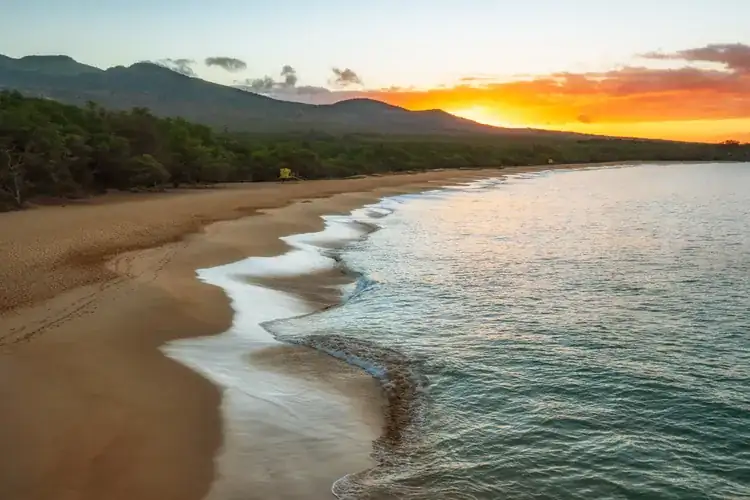
Best Beaches in Maui (2026): Top 15 with Maps & Tips
20 min readYndira W. Tonin
The best beaches in Maui are a study in variety, three miles of resort lined gold at Kaanapali, the calm luxury of Wailea, the wild and enormous Makena, hidden coves at Kapalua, and the standout snorkeling of Molokini and Black Rock. Maui's coastline does a little of everything, and it does most of it beautifully.
The island roughly splits into two beach zones, and knowing them is half the planning, West Maui (Lahaina, Kaanapali, Kapalua) and South Maui (Kihei, Wailea, Makena). Both are sunny, leeward, and calm in summer. Both are where the beaches and resorts cluster.
Here is the honest framing this guide runs on, the "best" beach depends on what you want, a long resort stroll, a calm snorkel, a dramatic empty expanse, a turtle sighting, or a sunset. So this is sorted by beach and by vibe, with straight talk on safety (Maui's surf is no joke in winter), parking, and timing.
Pack the reef safe sunscreen and let us find your beach. Most are a short drive apart, so you can sample several in a day.
Table of Contents
01
Maui beaches by region
Before the individual beaches, the lay of the land, because where you base yourself shapes which beaches you will actually use.
West Maui wraps the northwest coast, Lahaina, the long resort strip of Kaanapali, and the quieter, upscale coves of Kapalua and Napili to the north. For the west side in full, our Maui west coast beaches guide ranks all ten. It is sunny, beach forward, and packed with hotels and condos right on the sand.
South Maui runs down the leeward south shore, the value friendly town of Kihei, the polished resorts of Wailea, and the wild, undeveloped beaches of Makena beyond. It is the driest, sunniest corner of the island and arguably the beach heartland.
The other zones matter less for a classic beach day. The North Shore and Hana side (Paia, Hookipa, Hamoa, the black sand beaches along the Road to Hana) are wilder, windier, and better for surfing, windsurfing, and scenery than for lounging.
So the simple plan, base in West or South Maui for the swimmable, sunny beaches, and treat the windward beaches as scenic day trip stops. The Maui state parks overview is a good companion map, and our things to do on Maui guide places the beaches among the rest of the island.
West Maui or South Maui, which base fits your beach days
West Maui
Lahaina, Kaanapali, Kapalua, Napili
- Three miles of resort lined sand at Kaanapali
- Black Rock snorkel right off the beach
- Quiet upscale coves at Kapalua and Napili
- Sunset facing bays across to Molokai
- Lively, classic, and beach forward
South Maui
Kihei, Wailea, Makena
- The driest, sunniest corner of the island
- Calm Wailea crescents and the Kamaole parks
- Wild, undeveloped Makena beyond Wailea
- The closest jump off to Molokini
- Kihei for value, Wailea for luxury
Getting around, you will want a rental car. Maui's beaches are spread along two coasts with no useful transit between them, and the best days reward the freedom to chase calm water and open parking.
One sensitive, important note about West Maui, the historic town of Lahaina was devastated by the August 2023 wildfire, and the community is still recovering and rebuilding. Some West Maui areas and businesses have reopened and genuinely welcome, and need, respectful visitors. Others remain closed or are sacred ground. Check current guidance on what is open before you go, tread lightly, and give the community the grace it deserves.
A reassuring note for planners, the marquee South and West Maui beaches sit close together, so you are never far from the next one. You can easily hit two or three in a day and find your favorite.
02
Kaanapali Beach
If you picture a classic Maui resort beach, you are picturing Kaanapali, three miles of golden sand fronting a wall of hotels and condos on the West side, with a paved beach path running the whole length.
It is the social, lively, do everything beach. The water is generally calm and good for swimming, the sand is wide, and the beachfront walk connects restaurants, shops, and resorts end to end. Families love it because everything is right there. For the full rundown, snorkeling, parking, and where to stay, see our Kaanapali Beach guide.
The highlight is Black Rock (Puu Kekaa) at the north end, a lava promontory that is one of Maui's best and easiest snorkel spots, with fish, the occasional turtle, and good visibility right off the sand. Just north of the resorts, Kahekili Beach Park (locals call it "Airport Beach") is the quieter, easy parking alternative, a grassy park with restrooms and a reef close to shore that is ideal for families and first time snorkelers. Every evening the resort there stages a cliff diving torch lighting ceremony off the rock, a nod to Hawaiian tradition that is genuinely worth catching.
What anchors a day on the Kaanapali strip
Black Rock (Puu Kekaa)Easy snorkel
A lava promontory at the north end, one of Maui's best and easiest snorkel spots, with fish, the occasional turtle, and good visibility right off the sand. Snorkel it early before the wind and crowds arrive.
Kahekili Beach ParkAirport Beach
The quieter, easy parking alternative just north of the resorts, a grassy park with restrooms and a reef close to shore that is ideal for families and first time snorkelers.
Whalers VillageShops and dining
Shopping and dining right on the beach path, with sunset luaus beachside. You can walk to dinner with sand still on your feet, the most vacation machine of Maui's beaches in the best sense.
Winter whale watchingDecember to April
From about December to April this West coast is prime whale watching territory, and you can often spot humpbacks breaching offshore right from your beach towel.
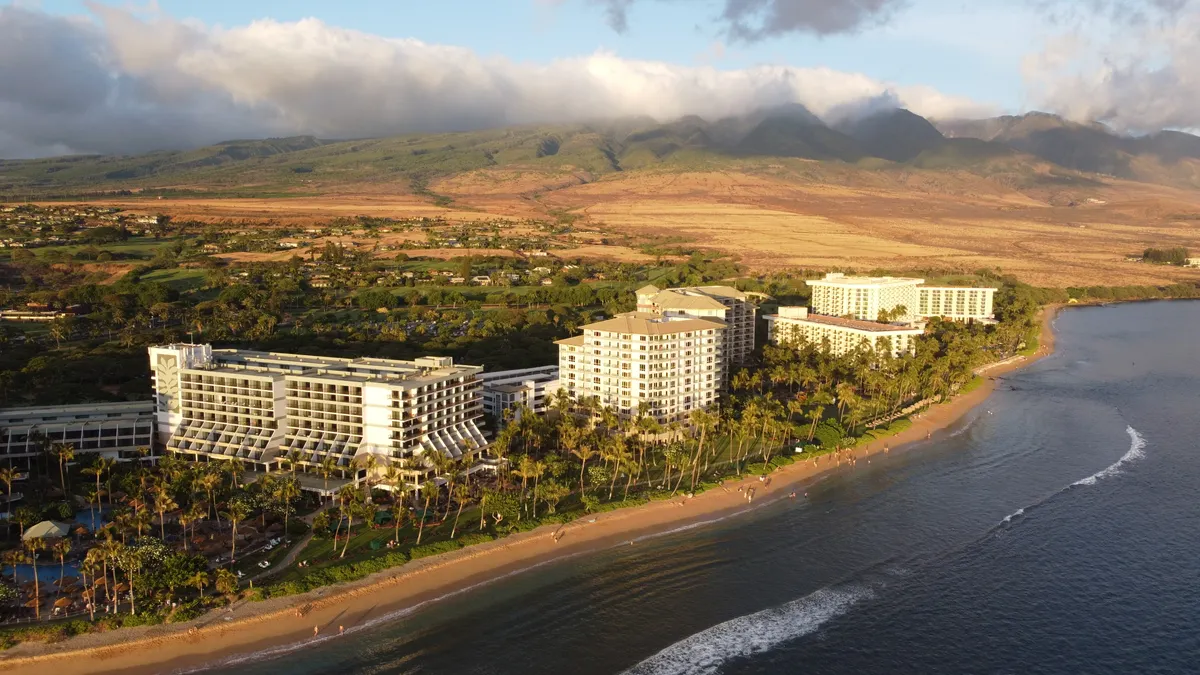
Photo by Jashith G via Pexels
Beyond the beach itself, Kaanapali is a self contained resort world, Whalers Village for shopping and dining sits right on the path, sunset luaus run beachside, and you can walk to dinner with sand still on your feet. It is the most "vacation machine" of Maui's beaches, in the best sense, everything handled, nothing far.
Winter brings a bonus, this coast is prime whale watching territory, and from about December to April you can often spot humpbacks breaching offshore right from your beach towel.
Parking is the usual resort beach catch, there are public access lots, but they fill early, so arrive in the morning. Snorkel Black Rock before the wind and crowds arrive, then settle in for the day. For a beach with amenities, action, and easy snorkeling in one place, Kaanapali is hard to beat.
03
Kapalua and Napili Bay
Just north of Kaanapali, the coast quiets into two of Maui's prettiest, calmest bays, Kapalua Bay and Napili Bay, both beloved for gentle water and excellent snorkeling.
Kapalua Bay is the postcard, a small, crescent shaped, reef protected bay with calm, clear water that is wonderful for swimming and snorkeling, and friendly to families and beginners. It regularly lands on "best beach in America" lists, and in person it earns it. The trade off is a small beach and limited parking, so come early.
Napili Bay, just south, is a slightly larger crescent with the same calm, swimmable character and good snorkeling at the rocky ends. It is fronted by low key condos rather than mega resorts, which gives it a mellow, local vacation feel.
Kapalua Bay or Napili Bay, how the two crescents differ
Kapalua Bay
The postcard crescent
- A small, crescent shaped, reef protected bay
- Calm, clear water for swimming and snorkeling
- Friendly to families and beginners
- Regularly lands on best beach in America lists
- Small beach and limited parking, so come early
Napili Bay
Just south of Kapalua
- A slightly larger crescent, same calm character
- Good snorkeling at the rocky ends
- Fronted by low key condos, not mega resorts
- A mellow, local vacation feel
- Both bays face the sunset and the island of Molokai
Both bays face the sunset and the island of Molokai across the channel, making them lovely spots to linger into the evening. And both are protected enough to stay swimmable when other beaches get choppy, a useful backup when the surf is up elsewhere.
Snorkelers should also note Honolua Bay, a few minutes north of Kapalua, a marine life conservation district with superb summer snorkeling, and, in winter, a famous surf break that turns it into a spectator sport rather than a swim. It has no facilities and a short trail to a rocky entry, so it is more adventure than resort beach.
If your ideal beach day is calm bright blue water, easy snorkeling, and a smaller, prettier scale than the big resort strips, point yourself to Kapalua and Napili. Arrive early for parking and you will have the better part of paradise to yourself for a while.
04
South Maui beaches: Kihei, Keawakapu, and Turtle Town
Just north of Wailea, the town of Kihei strings together the beaches most South Maui visitors actually spend their days on, easy to reach, well equipped, and calmer than the windward side.
The Kamaole Beach Parks, locals call them Kam I, II, and III, are the heart of it, three wide golden sand beaches along Kihei's main drag, each with a lifeguard, restrooms, showers, and grassy lawns with picnic tables. Kam I is the longest and best for swimming. Kam III is the family favorite, with a playground and reliable sunsets. At the quiet south end of Kam I, Charley Young Beach is a wider, less crowded pocket of sand reached by a short stairway, a local escape from the busier parks.
Just south, Keawakapu Beach is the standout, a long, soft, uncrowded stretch with some of the best morning snorkeling in South Maui (an artificial reef sits offshore) and a gorgeous sunset. It bridges Kihei and Wailea, with parking at both ends.
For snorkeling, the south's headliner is Maluaka Beach, better known as Turtle Town, down toward Makena, where a healthy reef draws a resident population of Hawaiian green sea turtles. It is widely rated Maui's best shore snorkel for turtles. Go early on a calm morning, before the wind and the boat tours arrive.
Together these are the beaches a South Maui stay is built around, Kamaole for the easy beach day, Keawakapu for the morning swim, Maluaka for the turtles.
The Kihei beaches a South Maui stay is built around
Kamaole Beach ParksKam I, II, and III
Three wide golden sand beaches along Kihei's main drag, each with a lifeguard, restrooms, showers, and grassy lawns. Kam I is the longest and best for swimming, and Kam III is the family favorite.
Charley Young BeachLocal escape
A wider, less crowded pocket of sand at the quiet south end of Kam I, reached by a short stairway, away from the busier parks.
Keawakapu BeachMorning swim
A long, soft, uncrowded stretch with some of the best morning snorkeling in South Maui over an artificial reef, plus a gorgeous sunset. It bridges Kihei and Wailea, with parking at both ends.
Maluaka BeachTurtle Town
A healthy reef draws a resident population of Hawaiian green sea turtles, widely rated Maui's best shore snorkel for turtles. Go early on a calm morning before the wind and boat tours arrive.
05
Wailea Beach
Over on the sunny South shore, Wailea is West Maui's polished counterpart, a string of crescent beaches fronting Maui's most luxurious resorts, with calm water, golden sand, and views across to Lanai and the Molokini crater.
Wailea Beach itself is the centerpiece, wide, clean, gently sloping, and calm enough for easy swimming and snorkeling, with a beautiful paved coastal path connecting the resort beaches (Mokapu, Ulua, Wailea, Polo). Ulua Beach in particular has reliable snorkeling at its rocky point. Fronting these crescents are Wailea's marquee resorts, the Grand Wailea pool palace, the Four Seasons (no resort fee through June 2026, then $55 a night from July 1), and the design forward Andaz on Mokapu, if you want to stay right on the sand.
The vibe is upscale and serene rather than lively, manicured, well serviced, and a little dressier than the West side, though, as everywhere in Hawaii, the beach itself is public and free to all regardless of the resorts behind it.

Photo by Griffin Wooldridge via Pexels
The Wailea Beach Path is half the appeal, a paved, mile and a half coastal walk linking Mokapu, Ulua, Wailea, and Polo beaches past the resorts, gardens, and lava points. It is a lovely sunset stroll even if you never get in the water, and it makes beach hopping between the calm crescents effortless. For snorkeling, the rocky point at Ulua Beach is the most reliable entry in Wailea.
The resort beaches linked by the Wailea Beach Path
Wailea BeachThe centerpiece
The centerpiece, wide, clean, gently sloping, and calm enough for easy swimming and snorkeling, with views across to Lanai and the Molokini crater.
Ulua BeachBest snorkel
The most reliable snorkeling in Wailea, with a rocky point that holds fish. It is the entry to default to when you want to get in the water on this coast.
Mokapu BeachOn the path
One of the calm crescents fronting the resorts, with the design forward Andaz right on the sand. Easy beach hopping along the paved path connects it to the others.
Polo BeachQuiet south end
The southern crescent on the Wailea Beach Path, a quieter stretch past the resorts, gardens, and lava points that suits a calm, comfortable beach day.
The broader Wailea area is a manicured resort enclave, golf, a high end shopping village, and some of Maui's best restaurants, so it suits travelers who want their beach day bracketed by comfort. It is pricier and more polished than the West side, and quieter come evening, which is either the appeal or the drawback depending on your trip.
Use the marked public beach access lots and walkways (every Hawaii beach has them by law), arrive earlyish, and bring everything you need. Wailea is the pick for a calm, comfortable, postcard pretty beach day with the islands floating on the horizon, and, facing west toward Lanai and Kahoolawe, a nightly sunset worth staying for.
06
Makena Beach (Big Beach)
Just south of Wailea, the polish gives way to the wild, and Makena Beach, known as Big Beach, is the dramatic payoff. Part of Makena State Park, it is one of Maui's largest beaches, nearly two thirds of a mile of broad golden sand, undeveloped, framed by the Puu Olai cinder cone.
It is raw, expansive, and gloriously free of resorts, the antidote to the manicured strips up the coast. On a clear day, the scale of it, with no hotel in sight, is the most "wild Hawaii" a beach gets on the populated South shore.
But respect the water. Big Beach has a powerful shore break, waves that break hard right on the sand, that injures unprepared swimmers every year. It is gorgeous for walking, sunbathing, and watching the surf, but it is not a casual swimming or kids' beach. Check conditions, heed the lifeguards, and never turn your back on the ocean. The Makena State Park page has current details and the parking reservation rules for out of state visitors.
Nearby Little Beach (over the rocky outcrop at the north end) has a long standing free spirited, clothing optional reputation worth knowing before you wander over with kids, and the black sand Oneuli Beach is a quieter spot good for snorkeling and diving.
On logistics, Makena State Park charges out of state visitors a $5 per person entry fee plus $10 per vehicle, payable at the kiosk on arrival or online, no advance reservation needed. Come to Makena for the grandeur, the cinder cone backdrop, and one of the best sunsets on the island. Just swim with real caution, or save the swimming for the calmer bays up the coast.
07
Molokini and the best snorkeling
Maui's signature water experience is not strictly a beach at all, it is Molokini, a crescent shaped volcanic crater poking out of the ocean a few miles off the South shore, and one of the best snorkel and dive sites in Hawaii.
The crater's curved wall shelters a clear, calm basin teeming with fish and coral, with visibility that routinely tops 100 feet. It is reachable only by boat, so it is a morning tour rather than a walk-in, and the early trips, before the wind and crowds, get the glassiest water and best visibility.
Inside the crater you will see schools of yellow tang, parrotfish, butterflyfish, and often the Hawaii state fish, with the occasional reef shark or eagle ray for the lucky. A Molokini snorkel tour handles the boat, the gear, and the timing, and many trips pair Molokini with a second stop at "Turtle Town" along the coast, where green sea turtles gather. It is the easy, reliable way to see Maui's best underwater scenery.
Makena and Molokini by the numbers
A practical heads up, it is open ocean to get out there, so if you are prone to seasickness, take something beforehand, and book a morning departure before the wind and swell (which can cancel afternoon trips entirely). In winter, roughly December to April, the boat ride doubles as whale watching, the crossing is half the fun.
★4.9(870)
2-Hour Molokini Guaranteed Snorkel Trip from Maui
2 hours
Free cancellation
from
$144
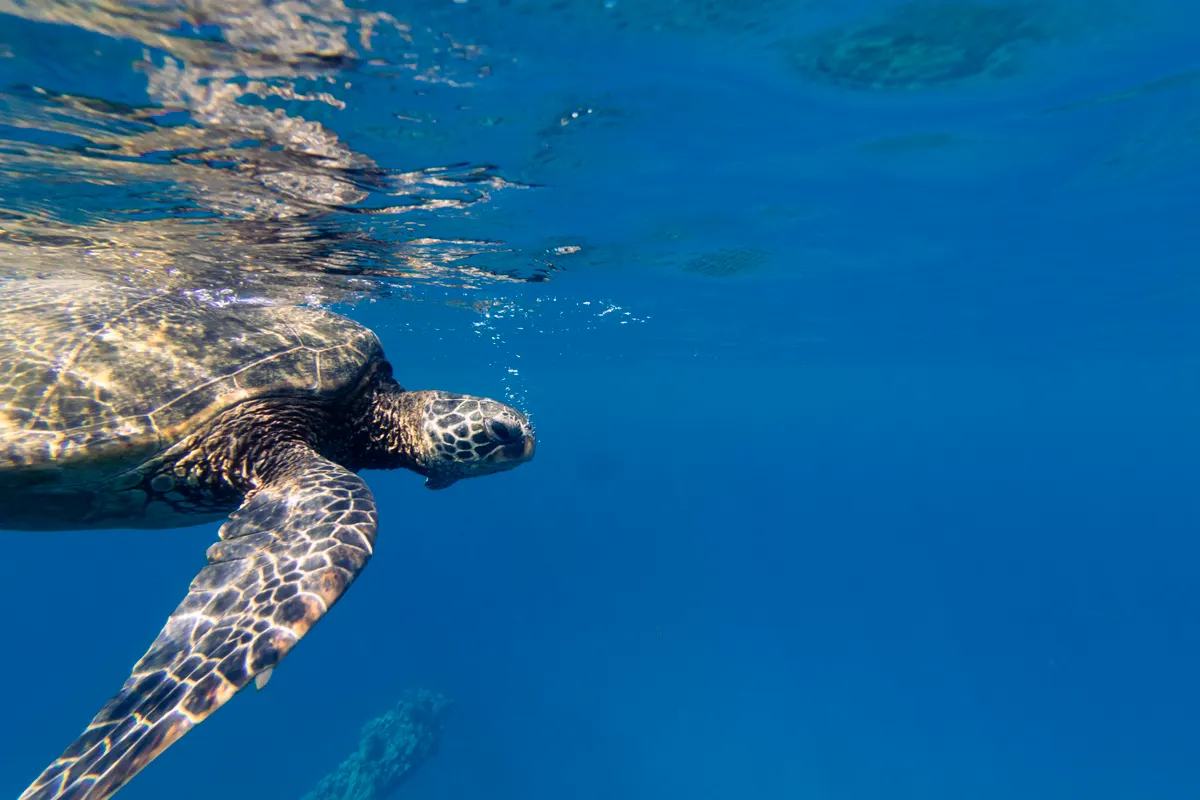
Photo by Jake Houglum via Pexels
If you would rather snorkel from shore, Black Rock at Kaanapali and the Kapalua and Napili bays on the West side, plus Ulua Beach in Wailea, are the most reliable beach entry spots. Bring reef safe sunscreen everywhere, Hawaii law requires it, and the reefs you came to see depend on it. Our best snorkeling on Oahu guide covers the technique and etiquette that travel to any island.
08
Hookipa, Hamoa, and the wild side
Not every great Maui beach is for swimming, and the windward and Hana sides offer some of the island's most memorable stretches, for watching more than wading.
Hookipa Beach, near Paia on the North Shore, is a legendary windsurfing and surfing beach, and in the afternoons it is a spectacle of sails and boards. It is also one of the most reliable places on Maui to see green sea turtles, which haul out to rest on the sand by the dozen in the late day. Watch from a respectful distance. It is protected.
Hamoa Beach, out past Hana, is a gorgeous gray sand crescent that author James Michener famously called one of the most beautiful beaches in the Pacific. It is a reward at the far end of the Road to Hana, with bodysurf able waves on calm days.
Wild beaches for watching, not lazy swimming
Hookipa BeachNorth Shore
A legendary windsurfing and surfing beach near Paia, a spectacle of sails and boards in the afternoons. It is also one of the most reliable places on Maui to see green sea turtles haul out on the sand in the late day. Watch from a respectful distance.
Hamoa BeachPast Hana
A gorgeous gray sand crescent out past Hana that author James Michener called one of the most beautiful beaches in the Pacific, a reward at the far end of the Road to Hana with bodysurf waves on calm days.
WaianapanapaReservation needed
The black sand beach on the Hana side, one of the most photographed spots in Hawaii, jet black sand against blue water and green cliffs. It needs an advance reservation for timed entry and parking.
Baldwin BeachLocal favorite
Just west of Hookipa, a long, swimmable local favorite with a calm cove the families love, called Baby Beach. Nearby Paia town is a good breakfast and coffee stop on a North Shore day.
And the black sand beach at Waianapanapa, also on the Hana side, is one of the most photographed spots in Hawaii, jet black sand against blue water and green cliffs (it needs an advance reservation, covered in full in our black sand beach Maui guide).
Nearby Paia town is the bohemian gateway to the North Shore and the Road to Hana, a good breakfast and coffee stop, and Baldwin Beach just west of Hookipa is a long, swimmable local favorite with a calm cove ("Baby Beach") that families love.
On the turtles, at Hookipa they often rest on the sand behind roped off areas in the late afternoon. Stay well back, never touch or crowd them, and let the volunteers who watch over them do their work. Sharing a beach with a honu is a privilege, not a photo op to chase.
These windward beaches are about scenery, surf culture, and turtles, not lazy swimming, the water is often rougher and the currents stronger. Treat them as scenic stops on a North Shore or Hana day, and do your serious beach lounging back on the calm leeward coast.
09
Beach safety and when to go
Maui's beaches are gorgeous and mostly gentle in summer, but the ocean here genuinely demands respect, and a few rules keep a beach day from going wrong.
The big seasonal pattern, summer (roughly April, October) is calm, especially on the leeward South and West shores, while winter brings bigger surf and stronger currents, particularly on north- and west facing beaches. The South and West resort beaches stay the most swimmable year round. Our best time to visit Hawaii guide has the broader seasons.
A few safety essentials, because they matter,
- Swim at lifeguarded beaches when you can, and ask the lifeguard about conditions, they know that beach's moods.
- Respect shore break and currents. Makena's shore break and various winter currents injure visitors every year. If the surf is up or the water is moving, stay out.
- Never turn your back on the ocean, and do not swim alone.
- Go in the morning for the calmest water, the best snorkeling visibility, and the easiest parking, a theme on every Hawaiian island.
Maui beach safety, the numbers that matter
Two Hawaii specific stings worth knowing, box jellyfish arrive on some south facing shores about 8 to 10 days after a full moon, and Portuguese man o war can blow in on windy days. Neither should scare you off, just glance at the posted warning signs and ask the lifeguard. And reapply sunscreen far more often than feels necessary. With a breeze off the water the Maui sun is stronger than it feels, and a surprise sunburn is the most common Maui beach souvenir.
And the universal rules, reef safe sunscreen only, never touch or chase the green sea turtles (it is illegal), and take everything with you. Respect the water and the reef, and Maui's beaches give you some of the best days of the whole trip.
10
Where to stay
Where you base yourself on Maui largely decides which beaches become "your" beaches, so choose by the vibe you want.
West Maui (Kaanapali/Kapalua) puts you on that long resort beach strip with the Black Rock snorkeling, the sunset facing coves, and easy access to Lahaina. It is lively, classic, and beach forward. South Maui (Wailea/Kihei) is the sunniest, driest corner, with the calm Wailea beaches, wild Makena nearby, and the closest jump off to Molokini, Kihei for value, Wailea for luxury.
For most first time beach focused trips, South Maui edges it for reliable sun and the Molokini access, but you cannot go wrong. Both coasts are gorgeous, and they are only about a 40-minute drive apart, so you can sample the other side on a day trip. The Kaanapali vs Wailea decision really comes down to West side liveliness versus South side sun and serenity.
Within those zones, the price tiers sort cleanly. In South Maui, Kihei is the value play, condos, casual eats, and a string of accessible beaches, while Wailea next door is the luxury tier. On the West side, Kaanapali is the classic resort base and Kapalua the upscale quiet one. Budget travelers do well in a Kihei or West Maui condo. Splurgers gravitate to Wailea or Kapalua. Our full where to stay in Maui guide breaks down every area. Book early either way, Maui lodging fills fast and is rarely cheap. You can compare Maui hotels on Expedia (also on Booking.com) across the south and west coasts.
One honest aside, since we are an Oahu beach picnic outfit, we set up over on Oahu, not Maui, so we cannot meet you on Wailea's sand. But the philosophy travels, the best beach days here are unhurried, early, and chosen to match the water you want. Pick your coast, go in the morning, and let Maui do the rest. (If your trip also touches Oahu, you can always see what we do here.)
Whatever you choose, you are minutes from extraordinary sand. That is the luxury of Maui, the hardest beach decision is just which one to visit first.
FAQ: Maui beaches
What is the best beach in Maui?
It depends on what you want. Kaanapali is the best lively resort beach (with Black Rock snorkeling), Wailea is the best for calm luxury, Makena (Big Beach) is the most dramatic and wild, and Kapalua and Napili bays are the best for calm swimming and easy snorkeling. Molokini is the best snorkeling overall, reached by boat.
Where is the best snorkeling on Maui?
Molokini crater, reached by morning boat tour, is the best overall, with visibility often over 100 feet. For shore snorkeling, Black Rock at Kaanapali, Kapalua and Napili bays on the West side, and Ulua Beach in Wailea are the most reliable. Always use reef safe sunscreen.
Are Maui beaches safe for swimming?
Many are, especially the calm leeward beaches of Wailea, Kaanapali, Kapalua, and Napili in summer. But some, like Makena's Big Beach, have a powerful shore break, and winter brings bigger surf and currents to north- and west facing beaches. Swim at lifeguarded beaches, heed warnings, and never turn your back on the ocean.
Which side of Maui has the best beaches?
South Maui (Kihei, Wailea, Makena) and West Maui (Kaanapali, Kapalua, Napili) both have excellent calm, sunny beaches and are where most people stay. The windward North Shore and Hana side (Hookipa, Hamoa, black sand beaches) are more scenic and wild, better for surfing, windsurfing, and turtle watching than swimming.
When is the best time to go to the beach in Maui?
Early morning year round for the calmest water, best snorkeling visibility, and easiest parking. Seasonally, summer (April to October) is calmest, especially on the South and West shores. Winter brings bigger surf to north- and west facing beaches, though the leeward resort beaches stay swimmable.
Do you need a reservation for Maui beaches?
Most Maui beaches are free with no reservation, but Makena State Park (Big Beach) charges out of state visitors an entry and parking fee at the kiosk (no reservation needed), and Waianapanapa (the Hana black sand beach) does require timed entry and parking reservations. Check the state parks site before you go.
What is the calmest beach on Maui?
For reliably calm, swimmable water, stick to the leeward South and West shores. Wailea, Keawakapu, and Kapalua Bay are among the gentlest, Napili Bay's curved shoreline keeps it mellow, and the Kamaole parks in Kihei are usually calm in the morning. Skip the windward and North Shore beaches (Hookipa, Hana) for swimming, those are for watching the surf, not wading into it.
Which Maui beaches are best for families?
The South and West shores win for families. The Kamaole Beach Parks (Kam I-III) in Kihei have lifeguards, restrooms, and grassy lawns. Kahekili ("Airport Beach") and Kapalua Bay are easy, calm snorkels. And Kaanapali puts everything within a stroll. Look for lifeguarded beaches with gentle water and a bit of shade.
Disclosure: Some links on this page are affiliate links. If you book or buy through them we may earn a small commission, at no extra cost to you. As an Amazon Associate, we earn from qualifying purchases.


