Hawaii Packing List 2026: What to Bring and What to Skip
26 min readYndira W. Tonin
The honest Hawaii packing list is shorter than you expect. The Hawaiian Islands are warm, casual, and sell almost everything you forget, so the whole skill is packing light and packing right, a swimsuit, reef safe sunscreen, and good sandals carry you through about 90 percent of the trip.
Every law, rule, and bag fee here is current as of 2026, rechecked in July, including the new April 2026 airline baggage fees and the Maui mineral only sunscreen rule.
The mistakes are predictable. People overpack clothes they never touch, forget the three things that are genuinely annoying to buy there, and bring sunscreen that is, no exaggeration, illegal on the islands.
This list fixes both. It is sorted by category, the essentials, clothing and what to wear, beach and water gear, footwear, sun and toiletries, tech, hiking, and what to leave home, plus how much to pack for a one- or two week trip, island by island notes, and a copy paste checklist at the end.
Pack for the Hawaii you will actually have, beach mornings, casual dinners, a couple of adventures, and a great deal of sunshine. The dream trip needs less than the anxious one, and most of what you skip is on a shelf in Waikiki if you are wrong.
Some links in this guide are affiliate links. If you buy through them we may earn a small commission at no extra cost to you, which funds an entirely too researched opinion about sandals.
Table of Contents
01
How much to pack for a Hawaii vacation
Less than you think. This is the single most important line on the whole list.
Hawaii's climate is warm and stable, roughly 75 to 85°F year round at sea level, so you are packing variations on "summer," not a four season wardrobe. The temptation is to plan an outfit for every possible scenario. Resist it.
A good rule, pack for about five days and do laundry, whether you stay one week or two. Most condos and many hotels have laundry, you will live in the same few favorite things anyway, and you will buy a shirt or two on the trip regardless. Everyone does.
For a one week trip, everything you pack will fit in a carry on and a personal item for most people. Two or three bottoms, five or six tops, two swimsuits, one casual dinner outfit, and your shoes. That is the whole show.
For a two week trip, you do not double it, you add a few items and plan one laundry day. The difference between one week and two is a load of washing, not a second suitcase. People who pack two weeks of distinct outfits spend the trip hauling a bag they resent.
The deeper logic, Hawaii is casual to its core. Nobody will look twice at outfit repetition on a beach.
Overpacking costs you baggage fees, a heavier haul through the airport, and the low grade stress of managing stuff. Underpacking costs you a $15 trip to a store you were going to browse anyway. The math favors light.
The math got sharper in April 2026. Hawaiian Airlines now charges $45 for the first checked bag and $55 for the second on mainland routes, and Southwest ended its famous bags fly free deal for fares booked on or after April 9, 2026, at $45 and $55 a bag on its cheapest fares. A couple checking two bags each way can now hand the airlines about $180 for the privilege of hauling clothes they will not wear.
Hawaii residents with a Rapid Rewards address still get two free bags on Southwest, one of the stranger perks of living in paradise. For everyone else, the carry on stopped being a minimalist flex and became a plain money decision.
What checked bags cost now
One more note for families, kids need less than you would think, too. Hawaii is forgiving, diapers, baby sunscreen, snacks, and floaties are all on the shelves, so pack a few days of clothes and buy the bulky consumables on arrival rather than hauling them across an ocean.
Keep a short mental "buy on island" list, beach toys, a foam boogie board, bottled water, snacks and food for the condo, and that one thing you inevitably forget. Paying a few dollars on island beats overpacking every time, and it gives you an excuse to wander an ABC Store, which is its own Hawaii rite of passage.
So set the bag down. The planning below fills it deliberately, not anxiously.
One carry on, one week
02
The 10 essentials
If you forget everything else, these are the non negotiables, the things that are either required, genuinely hard to replace mid trip, or so central to the trip that forgetting them stings.
- Reef safe sunscreen. Required by law (more below). Bring it. The right kind is pricier and harder to find on island.
- Two swimsuits. One dries while you wear the other. You will be in the water daily.
- Sunglasses (UV400) and a packable hat. The Hawaii sun is no joke, and squinting for a week is a choice.
- Good sandals plus one real shoe. Flip flops for the beach, sneakers or trail shoes for everything else.
- A light rain jacket. Passing showers blow through quickly and constantly, especially on windward and rainy sides. Pack the packable kind.
- A reusable water bottle. You will drink more than you expect, and refill stations are everywhere.
- A dry bag or waterproof phone pouch. Saves a phone and your peace of mind on boats and beaches.
- Any prescription meds, in carry on. Refilling out of state is a hassle you do not want on vacation.
- A portable charger. Long beach to hike to sunset days drain a phone fast.
- Your ID and cards. Hawaii is a US state, so no passport for domestic travelers, but you knew that.
Notice what is not on this list, anything fancy, anything heavy, anything "just in case." The key items are light and boring, which is exactly the point. Get these in the bag first, and the rest is comfort and preference.
If you pack only these ten things and a few clothes, you will have a perfectly good trip. Everything below is refinement.
If you want the short version of the short version, here are the three items people most regret forgetting, because they are annoying or pricey to replace mid trip, reef safe sunscreen (restricted on island and marked up), a rash guard (the sun is relentless on the water), and a portable charger (dead phone, no map, no photos, by 3pm). Get those three in the bag and you have headed off the most common day one store run.
The essentials, condensed
Mineral sunscreenLaw
required by law, priciest to replace on island
Two swimsuits
one dries while you wear the other
Sandals + one real shoe
beach feet and trail feet, nothing else
Light rain jacket
passing showers are a feature, not a bug
Portable chargerMost forgotten
dead phone by 3pm otherwise
Dry bag
phones do not float
03
What to wear in Hawaii
The honest answer to what to wear in Hawaii is, less, lighter, and more casual than your instinct says. This is a beach state with a relaxed dress code almost everywhere.
Lean into breathable fabrics, cotton, linen, anything light and quick drying. Heavy denim and synthetics that trap heat are a mistake you make exactly once. The humidity makes lightweight fabric the difference between comfortable and clammy.
A realistic clothing kit for most travelers,
- Tops: five or six light t-shirts, tanks, and a couple of nicer short sleeve or linen shirts for dinner.
- Bottoms: two or three, shorts, a pair of light pants or a skirt, maybe one nicer option.
- Dresses / sundresses: a couple are ideal. They double as beach cover ups and dinner wear, and they fit anywhere in the bag.
- One light layer: a cardigan, linen overshirt, or light sweater for the odd cool night out and aggressive restaurant air conditioning.
- Sleepwear and a week of underwear (adjust for laundry).
On dressing up, Hawaii's idea of "nice" is relaxed. A sundress or a collared aloha shirt clears the dress code at the vast majority of restaurants. A handful of high end spots prefer "resort wear," which still does not mean a suit, it means a nice shirt and closed shoes.
Leave the blazer home.
One genuine layering exception, if you are planning a high elevation sunrise, Haleakala on Maui or Mauna Kea on the Big Island, it is genuinely cold up there, sometimes near freezing. You will want real warm layers, a beanie, and a jacket, which feels absurd to pack for Hawaii right up until you are shivering above the clouds at dawn.
A quick note for a Hawaii packing list for women, sundresses are the MVP, they cover beach to dinner in one piece, pack flat, and never need ironing. Add a light cover-up, a pair of sandals that work for both walking and dinner, and a swimsuit or two, and most of the wardrobe is done. Men have it even simpler, shorts, tees, a couple of aloha or linen shirts, and one pair of sandals that is not falling apart.
Whatever your style, the unifying rule is layers you can peel, it is hot in the sun, cool in the shade and the wind, and faintly arctic inside any restaurant that has discovered air conditioning.
Pack the summer clothes you already love at home, minus the formal ones. That is the whole beach vacation wardrobe.
Beach day versus dinner out
Beach day
9am to sunset
- Swimsuit plus rash guard
- Shorts or a sundress over it
- Sandals
- Hat and UV400 sunglasses
Dinner out
as fancy as Hawaii gets
- Sundress or collared aloha shirt
- One light layer for the AC
- Closed shoes at a handful of spots
- Still no blazer
04
Beach and water gear
Water activities are where Hawaii actually happens, so they earn their own category. The beach gear is the difference between a good water day and a sandy, sunburned, gear renting scramble.
The core kit,
- Reef safe sunscreen (yes, again, it matters most here).
- A rash guard or swim shirt. The smartest sun protection there is, it never washes off, and it spares your back on long snorkel floats.
- A quick dry travel towel or a Turkish towel. Packs small, dries fast, beats a bulky bath towel.
- Water shoes. Reef and rocky entries (hello, North Shore) are sharp. Cheap water shoes save your feet.
- A dry bag. For phones, keys, and wallets while you swim.
A few nice to haves if you have the room, a collapsible cooler bag for beach drinks and snacks, a beach blanket that shakes clean of sand, and goggles, cheap fun the kids will love. None are essential, all are rentable or cheap on island, but they make a long beach day smoother if your bag has the space.
What you can almost always leave home is the bulky stuff, full size beach chairs, umbrellas, and big boards. Those are cheap to rent right on the sand, and nobody actually wants to fly a beach umbrella to Honolulu.
Then the question everyone asks, do you pack snorkel gear? If you will snorkel more than once or twice, yes, we recommend a basic mask and snorkel, they pack small and save you renting at every beach. If you just want to try it once, rent on island or take a tour where the gear is included.
That last option is the easy button. Book a guided snorkeling tour and the crew hands you the gear, takes you to the good reefs, and lets you leave the mask at home entirely, which is the move if your bag is already full of sunscreen and water shoes.
★4.9(3,571)
Waikiki: Turtle Canyon Snorkel Adventure on Oahu
2 hours
Free cancellation
from
$85
Whatever you bring, keep beach gear light and quick drying. Wet, heavy, sand logged equipment is the enemy of a happy carry on, and almost all of it is rentable or cheap to replace if you decide to travel ultralight. Our best snorkeling on Oahu guide covers where to actually use it.
The water kit that earns its space
Rash guardBest buy
sun protection that never washes off
Quick dry towel
packs small, dries fast, sheds sand
Water shoes
reef and lava rock entries are sharp
Dry bag
swim while your phone stays dry
Snorkel set
only if you will use it three times or more
05
Footwear
Shoes are where people overpack hardest, hauling four pairs and wearing two. Hawaii needs fewer than your closet suggests.
For most trips, two pairs cover everything,
- Sandals or flip flops for the beach, town, and casual dinners. These live on your feet 80 percent of the trip.
- Sneakers or light trail shoes for hikes, lava fields, and full sightseeing days.
That is genuinely it for the majority of travelers. A third pair only earns its space for a specific reason, water shoes for rocky/reef entries and waterfall hikes, or a single dressier sandal if you have a fancy dinner or a wedding on the calendar.
What to skip, heavy hiking boots, unless you are doing serious multi hour volcanic or muddy trails (Kilauea backcountry, long Kauai treks). For the popular stuff, Diamond Head, Manoa Falls, most lookouts, sturdy sneakers or trail runners are plenty, and far lighter in the bag.
A footwear truth nobody warns you about, Hawaii trails are frequently muddy and slippery, and the rocky beaches are sharp. The right shoe is less about looking good and more about not slipping on a root or shredding a foot on lava rock. Grip over glamour.
If you are the type who likes a dedicated water shoe, the cheap neoprene kind is perfect and packs down to nothing, worth it for Big Island lava rock entries, Kauai's rocky beaches, and any waterfall scramble. Just do not mistake them for hiking shoes. They have no support for a real trail.
And a word on socks, bring a few pairs for the sneakers, then forget about them. The rest of the trip is bare feet and sandals, which is, after all, most of the point of coming.
Wear your bulkiest pair on the plane to save suitcase space. It is the oldest packing trick there is, and it still works.
Two pairs cover the trip
06
Sun protection and toiletries
Hawaii's sun is stronger than mainland visitors expect, you are closer to the equator, and the reflection off water and sand doubles the exposure. Sun protection is not optional. It is the difference between a great trip and a miserable, peeling one.
The single most important item, reef safe sunscreen, and the rules are stricter than most travel guide roundups admit. Statewide law has banned sunscreens with oxybenzone and octinoxate since January 2021 to protect the reef. Maui County went further, since October 2022 its Ordinance 5306 allows only mineral sunscreen, meaning zinc oxide or titanium dioxide, to be sold or used anywhere in the county.
The simple rule we recommend, buy a mineral (zinc based) reef safe sunscreen ahead of the trip and you are legal on every island. A chemical formula that passes statewide still breaks the rules on Maui. Mineral products from any big brand are also cheaper at home than on island, where the selection is thin, the prices are tourist grade, and the state posts the full sunscreen law for the curious.
Statewide rule versus Maui rule
Statewide
since January 2021
- No oxybenzone
- No octinoxate
- Other chemical filters still legal
- Mineral always fine
Maui CountyOur pick
since October 2022
- Mineral only, Ordinance 5306
- Zinc oxide or titanium dioxide
- Chemical formulas banned outright
- Mineral works on every island
The rest of the sun kit,
- Sunglasses with real UV protection (UV400 / 100%).
- A wide brimmed or packable hat.
- Aloe or after sun, for the skin someone in your group will absolutely sacrifice on day one.
- Lip balm with SPF, the most forgotten sun item.
For toiletries generally, pack light and TSA-smart. Bring travel sizes, keep liquids under 3.4 oz for carry on, and remember that hotels and stores cover the basics. You do not need to bring a full bottle of shampoo to a place that sells shampoo.
On the sunburn reality, the Hawaiian sun burns faster than mainland visitors believe, and the breeze hides it, you do not feel hot on the water, then you are scarlet by dinner. Reapply sunscreen far more often than feels necessary, especially after swimming, and let the rash guard and hat do the work sunscreen cannot.
For any medications, bring enough for the whole trip plus a couple of spare days, in your carry on and in the original bottles. Pharmacies exist on the islands, but sorting out an out of state refill on vacation is exactly the errand you came here to avoid.
One quiet tip, bring bug spray. The beaches are breezy and bug free, but the rainforest trails and green valleys (Manoa, the windward side) have enthusiastic mosquitoes, and repellent is the item people most reliably forget and most regret.
07
Tech and gadgets
Hawaii is part of the US, so your phone, plugs, and chargers all work normally, no travel adapter, no international plan, nothing exotic. That alone trims a lot of the usual travel tech list.
What genuinely earns its space,
- A portable battery / power bank. Long days of photos, maps, and music between hotel charges will flatten your phone by midafternoon.
- A waterproof phone case or pouch. A few dollars to protect your phone on beach and boat days.
- Charging cables and a small multi port charger so the whole group is not fighting over one outlet.
- Headphones for the flight (it is a long one from most places).
Photographers love Hawaii, and you will want the shots. A phone genuinely covers photos and video for most people, though a small tripod earns its space for sunrise, sunset, and waterfall long exposures if you carry a real camera. A GoPro or waterproof action camera is the one specialty item that pays off here, it shoots underwater video where phones drown, between the snorkeling, the waves, and the turtles.
What to skip, laptops (unless you must work), tablets, drones (Hawaii has strict no fly zones over parks and beaches, and the rules are not worth the fines), and any gadget you would not use at home. Vacation is a fine time to carry less, not more.
A couple of app tips, since they replace gear you used to pack, download offline maps of your island before you go, because cell coverage drops out on the North Shore, the road to Hana, Saddle Road, and plenty of scenic but remote corners. A downloaded map turns a dead zone from a problem into a non event.
It is also worth saving your booking confirmations, boarding passes, and any tour tickets offline, and packing a cheap multi port charger so the whole group tops up overnight from one outlet. Small thing, fewer arguments.
The honest tech list is short because Hawaii does not demand much. Charge it, waterproof it, and get back in the ocean.
What earns an outlet
Power bankEssential
long days flatten phones by midafternoon
Waterproof pouch
a few dollars of phone insurance
Offline maps
the North Shore and the Hana road drop signal
Multi port charger
one outlet, four devices, zero arguments
Action cameraOptional
shoots video where phones drown
08
For hikers and adventurers
If your trip leans toward adventure, and Hawaii rewards it, a few extra items turn a rough outing into a good one. Skip this section entirely if you are here to lie on a beach, which is a completely respectable plan.
For day hikes and waterfalls,
- Trail shoes or sneakers with grip. Trails are muddy and slick far more often than dry.
- A light rain jacket. Rainforest and windward hikes get wet without warning.
- Bug spray and a small daypack for water and snacks.
- A swim layer if the hike ends somewhere swimmable (many do, though not Manoa Falls).
For the high elevation sunrises, Haleakala and Mauna Kea, pack like it is winter, because it is up there. A real jacket, long pants, a beanie, and gloves are not overkill at 10,000-plus feet before dawn. The contrast of leaving a warm beach and shivering at a summit a few hours later is one of Hawaii's stranger pleasures, but only if you packed for it.
For boat days, whale watching, snorkel cruises, Na Pali, bring a light layer and motion sickness tablets, whether you think you need them or not, plus that dry bag again. Open water is windier and choppier than the beach.
The principle for all of it, Hawaii's adventures span sea level to summit and sun to rain, sometimes in one day. You are not packing for one climate. You are packing a few small items that let you handle several.
Our things to do on Oahu travel guide and the best time to visit guide help you decide which activities you are actually packing for.
A few trail tips if you are tailoring the kit, Diamond Head wants sun protection and water (it is hot and exposed). Manoa Falls and the rainforest trails want grippy shoes and bug spray (they are muddy and buggy). And the summit sunrises want every warm layer you own.
Pack to the adventure, not to the postcard.
09
What NOT to pack
Half of packing well is what you leave behind. These are the items that travel to Hawaii and come back unworn, taking up space and earning resentment.
- Non reef safe sunscreen. It is restricted, and you will just have to rebuy the right kind. Leave it.
- A hair dryer. Nearly every hotel and rental has one, and Hawaii humidity will defeat your hair anyway.
- Heavy, formal clothes. Suits, blazers, cocktail dresses, heels, Hawaii almost never requires them. One "nice casual" outfit is plenty.
- Too many shoes. Two pairs, maybe three. Not the whole rack.
- Beach towels and big beach gear. Bulky, and most resorts and rentals provide them. Chairs and umbrellas are available to rent on island.
- A full toiletries cabinet. Stores exist. Bring travel sizes and buy what you run out of.
- Valuables and irreplaceable jewelry. Beach days and hotel rooms are not the place. Leave the heirlooms home.
- A drone, casually. The rules around parks and beaches are strict. Do not bring it unless you have done the homework.
The pattern is clear, anything heavy, formal, easily bought, or "just in case" is a candidate to cut. Hawaii is a casual, well stocked, warm place. It punishes overpacking and forgives the rare forgotten item, because there is a shop for that.
One more category worth rethinking, books and bulk. A stack of paperbacks, a full size laptop, three novels "for the beach", heavy, and rarely touched on a trip that is mostly outdoors. An e reader or your phone covers the reading, and the laptop can usually stay home unless work genuinely demands it.
The deeper habit is to question every "just in case" item one more time at the door. Hawaii's mix of warm weather, casual culture, and well stocked stores means the true cost of a forgotten item is small, while the cost of a bag full of unused backups follows you the whole trip.
When in doubt, leave it out. You will not miss it, and your shoulders will thank you in the airport.
One packing rule runs in both directions. Every arriving passenger fills out the state Plant and Animal Declaration Form, which Hawaii is moving to a digital version called Akamai Arrival in 2026, so do not pack fresh produce, plants, or seeds on the way in. On the way home, checked bags to the mainland pass a USDA agricultural inspection, so that pineapple needs to be a sealed, inspected one from a certified shop, not one you liberated from a roadside stand.
What flies to Hawaii and comes back unworn
Chemical sunscreenLaw
restricted statewide, banned outright on Maui
Hair dryer
every hotel has one, the humidity wins anyway
Formal wear
one nice casual outfit is plenty
Beach towels
resorts and rentals provide them
Drone
strict no fly zones over parks and beaches
Fresh produce
the ag form asks, the USDA checks
10
Island by island notes
The core list is the same across the Hawaiian Islands, but each island nudges it a little. If you are island hopping, pack the universal kit and tweak for where you spend the most time.
Oahu is the most urban and the easiest. Waikiki has every store you could need, so you can pack lightest here, anything forgotten is a short walk away. Casual city meets beach wardrobe, nothing special required.
Maui adds one big variable, Haleakala. If you are planning a summit sunrise or sunset, pack genuine cold weather layers alongside the beach gear.
Otherwise it mirrors Oahu, warm, casual, beach forward. A Maui packing list is really just the Hawaii list plus a winter jacket for one morning.
Kauai is the wettest and greenest island, so rain gear and bug spray move up the priority list. Pack the rain jacket you might skip elsewhere, quick dry everything, and trail shoes you do not mind getting muddy. It is also the most rural, so stock up before you arrive.
To pack for the right season, check which months are wettest in our Hawaii weather by month guide.
The Big Island is the wild card, it spans nearly every climate zone, from sunny Kona beaches to snow on Mauna Kea. Pack the full range, beach gear and real warm layers, and accept that you will use all of it, sometimes in the same day. It is the one island where "pack for several climates" is literal.
If your itinerary includes the quieter islands, Molokai or Lanai, pack a little more self sufficiently, since food shops and rentals are limited and you cannot count on grabbing a forgotten item easily. Bring what you need and treat them like the remote, rural places they are.
For island hopping generally, keep everything in a single carry on if you can. Interisland flights are short and frequent, but checked bags add time and the occasional misadventure to every hop. A light bag is the difference between breezing between islands and babysitting luggage.
Hawaiian now charges $30 for the first interisland checked bag, one more vote for the carry on.
The key takeaway, build one Hawaii kit, then add a warm layer for high elevation Maui and the Big Island, and extra rain protection for Kauai. You are not repacking per island, you are adjusting two or three items.
What each island adds to the bag
OahuLightest
nothing, Waikiki sells everything you forgot
Maui
real winter layers for one Haleakala morning
Kauai
rain jacket and bug spray move up the list
Big Island
beach gear and summit layers, used the same day
Molokai + Lanai
pack self sufficient, food shops are limited
11
How to pack it all
Getting the right things in the bag is half of it. Packing them well is the other half, and it is the difference between a smooth trip and living out of a suitcase explosion.
A few packing tips that genuinely help,
- Packing cubes. The single best quality of life upgrade to how you pack, they compress clothes, keep categories separate, and make living out of a bag feel organized instead of chaotic.
- Roll, do not fold. Rolling light Hawaii clothes saves space and cuts wrinkles, which matters when your wardrobe is mostly soft cotton and linen.
- Wear your bulkiest items on the plane, sneakers and your one layer, to free up suitcase space.
- Throw in a "wet bag" (or a spare packing cube) for damp swimsuits and sandy gear, so the rest of the bag stays dry and clean.
On the carry on versus checked question, whether you check a bag now comes down to money as much as space. For a one week trip, carry on only is very achievable and saves you the new bag fees and the airport waiting.
For two weeks or a family, a checked bag may make sense, but keep your essentials, meds, a swimsuit, and one change of clothes in the carry on, in case a bag goes wandering. An Apple AirTag in the checked bag is cheap insurance for exactly that day.
Landing in paradise and going straight to the beach while your luggage catches up is a genuine pro move.
On the bag itself, a soft carry on, or a medium wheeled checked bag, beats a giant hard case for a Hawaii trip, where you may move between hotels, islands, and the occasional set of stairs. A small daypack doubles as your personal item on the plane and your beach and hike bag once you land, which saves packing a second bag entirely. Everything for a beach day will fit inside.
Finally, leave a little empty space. You will buy something, a shirt, coffee, macadamia nuts, a souvenir or three, and a bag packed to bursting on the way out has nowhere to put paradise on the way home.
From closet to beach in four moves
- 1A week out
Buy the sunscreen
mineral only, cheaper at home than on island
- 2Two days out
Pack five days of clothes
cubes in, formal wear out, laundry mid trip
- 3Flight day
Wear the bulky pair
essentials, meds, and a swimsuit ride in the carry on
- 4Landing
Ag form, then beach
declare the plants you did not pack, buy the boogie board there
12
The copy paste checklist
Here is the whole thing in one scannable block. Screenshot it, print it, or copy it into your notes app.
Essentials
- Reef safe (mineral) sunscreen
- Two swimsuits
- Sunglasses (UV400) + packable hat
- Sandals + sneakers/trail shoes
- Light rain jacket
- Reusable water bottle
- Dry bag / waterproof phone pouch
- Prescription meds (carry on)
- Portable charger
- ID + cards
Clothing
- 5 to 6 light tops. 2 to 3 bottoms. 1 to 2 sundresses
- One nice casual dinner outfit
- One light layer (evenings / AC)
- Underwear + sleepwear (pack ~5 days, do laundry)
- Warm layers ONLY for Haleakala / Mauna Kea
Beach & water
- Rash guard, quick dry towel, water shoes
- Snorkel mask (if snorkeling often) or rent/tour it
Toiletries & sun
- Travel size toiletries, lip balm w/ SPF, aloe, bug spray
Tech
- Power bank, cables, waterproof phone case, headphones
- Optional, action cam, small tripod
Leave home: non reef safe sunscreen, hair dryer, formal wear, extra shoes, big beach towels, valuables, drone (probably).
Tick every box in the first four groups and you are genuinely done, the rest is preference. If a box does not apply to your trip (no hiking, no kids, no fancy dinner), skip it guilt free. This is a menu, not a mandate.
That is a complete Hawaii trip that will fit in one carry on for most people. If the getaway is marking a special occasion, a private beach picnic is the kind of thing we set up on Oahu, you can see how that works here, but the packing, at least, is handled.
FAQ: packing for Hawaii
What should be on a Hawaii packing list?
Reef safe sunscreen, two swimsuits, UV sunglasses and a hat, sandals plus sneakers, and a light rain jacket top the list, plus a reusable water bottle, a dry bag, any prescription meds, a portable charger, and your ID. Add light, casual, breathable clothing, match the extras to your activities, and you are set for most of the trip.
What should you not pack for Hawaii?
Non reef safe sunscreen leads the skip list (Maui allows mineral only), then a hair dryer (hotels have them), heavy formal clothes, too many shoes, bulky beach towels, irreplaceable valuables, and a drone unless you have checked the strict park and beach rules. Hawaii is casual and well stocked, so overpacking just costs you space and bag fees.
What should I wear in Hawaii?
Light, breathable, casual clothing, t-shirts, tanks, shorts, sundresses, and a couple of nicer pieces for dinner, plus one light layer for cool evenings and air conditioning. Most restaurants accept a sundress or a collared aloha shirt. Very few require anything dressier, and real warm layers matter only for high elevation sunrises.
How much should I pack for a two week trip to Hawaii?
Not twice as much as one week, just a few more items and a plan to do laundry once. Most condos and many hotels have laundry, and Hawaii's casual culture means nobody notices repeat outfits. Pack roughly five days of clothing, wash mid trip, and keep the bag light.
Do I need to bring snorkel gear to Hawaii?
Only if you will snorkel more than once or twice. A basic mask and snorkel pack small and save on rentals if you are a frequent snorkeler. For occasional use, rent on island or book a guided snorkeling tour where the gear is included, and skip packing it entirely.
Do I need a passport to visit Hawaii?
Not for domestic US travelers visiting from the mainland, Hawaii is a US state, so a standard ID (and a REAL ID-compliant one for the flight) is all you need. International visitors follow the usual US entry requirements. Either way, keep your ID and cards in your carry on, not your checked bag.
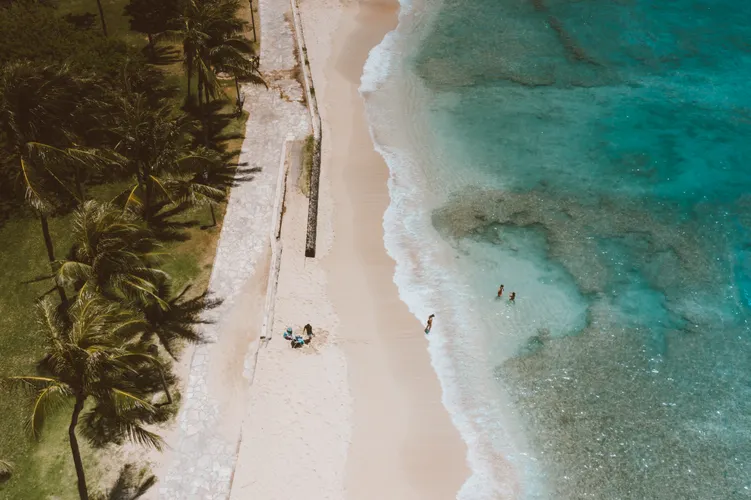
Cover photo, Anastasiia Nelen on Unsplash.
Disclosure: Some links on this page are affiliate links. If you book or buy through them we may earn a small commission, at no extra cost to you. As an Amazon Associate, we earn from qualifying purchases.