Hawaii Weather by Month: Temperatures, Rain and Best Times
17 min readYndira W. Tonin
Good news for planning a Hawaii trip, there is no genuinely bad weather season. Hawaii sits in the tropics, so it is warm and pleasant all year, with daytime highs ranging only from about 78°F in winter to 85°F in summer, and warm ocean water (74 to 80°F) year round. What changes month to month is not really the temperature, it is the rain, the surf, and the crowds.
The guide was reviewed and updated for 2026.
Hawaii has essentially two seasons, a slightly wetter, cooler winter (roughly November to March) and a drier, warmer summer (May to October). But even that is softened by the islands' famous microclimates, where it can be pouring on one side of an island and blazing sunny on the other a few miles away.
This guide breaks down Hawaii's weather by month and season, temperatures, rainfall, ocean conditions, and crowds, plus why it varies so much across a single island, and how to pick the right time (and the right side of the island) for the trip you want.
Table of contents
01
Hawaii's two seasons at a glance
Forget the four seasons you know from the mainland, Hawaii really has two, and the difference between them is mild. The Hawaiian language names them Kau (the warmer, drier summer) and Hooilo (Hoʻoilo) (the cooler, wetter winter).
Hawaii's weather, season by season
WinterDec, Feb
Highs around 78 to 80°F. The wettest stretch and the biggest north shore surf, but also whale season. Busiest and priciest around the holidays.
SpringMar, May
Warming and drying out (~80°F), with thinning crowds and good value, especially May. A genuine sweet spot.
SummerJun, Aug
Hottest (~85°F) and driest, with calm north shores ideal for snorkeling, but peak family crowds and prices.
FallSep, Nov
Warm, calm, and dry early on, with the fewest crowds and the best deals, arguably the best all round time to visit.
The temperature swing across the whole year is remarkably small, coastal highs sit around 78 to 80°F in winter and 84 to 85°F in summer, with nights rarely dropping below the upper 60s. Ocean temperatures track the same gentle curve, from about 74°F in winter to 80°F in summer, swimmable year round. The real differences are rainfall (more in winter), surf (big on north shores in winter, calm in summer), and crowds and prices (peaking around the winter holidays and in summer).
There is also remarkably little daily variation, thanks to the steady trade winds that blow from the northeast most of the year. These winds are Hawaii's natural air conditioning, keeping the humidity in check and the temperature comfortable even at the height of summer. When the trades drop and southerly "Kona winds" take over (more common in winter), it can feel muggier and bring weather from the south, but that is the exception, not the rule.
So when you ask "what is Hawaii's weather like in [month]," the honest answer is "warm and mostly sunny, with a chance of brief, localized showers", almost any month. The month by month sections below fill in the nuances, but keep the big picture in mind, you are choosing between good and great, not good and bad.

02
Winter: December, January, February
Hawaii's winter is warm by any mainland standard but is the islands' wettest, rowdiest ocean season, and its busiest.
Temperatures hold around 78 to 80°F by day and the mid-60s at night near the coast. This is the wettest stretch of the year, with more frequent and heavier showers, especially on windward (north and east) sides, though "wet" in Hawaii usually means passing downpours, not all day rain, and the leeward south and west coasts stay relatively dry. December and February tend to be the rainier months.
Winter is also defined by two big things, giant north shore surf (the famous waves and surf contests on Oahu's North Shore arrive November, February, making those beaches unsafe for swimming) and whale season (humpbacks fill the waters December, April, best off Maui). The catch is crowds, the mid December to early January holidays are the busiest, priciest time to visit all year, so book far ahead. If you want winter sun, favor the leeward/south coasts and consider whale watching on Maui while you are at it.
A few specifics by month, December is warm but the rainiest, and the holidays bring a crush of visitors and peak prices. January stays wet and cool ish (for Hawaii), with consistent big surf and prime whale watching, but crowds ease after New Year's. February is similar, wet windward, sunny leeward, full on whale season, and is a popular, slightly less hectic winter month. Across all three, the move is the same, base on a sunny leeward coast, pack a light rain layer for the odd downpour, and you will still get plenty of beach days between the showers. Winter rain in Hawaii is the price of the islands' green, waterfall fed beauty.
03
Spring: March, April, May
Spring is one of Hawaii's best kept secrets, the weather is drying out and warming up, while the winter crowds thin and prices ease.
Temperatures climb gently from the high 70s in March toward the low 80s by May, with the islands at their greenest after the winter rains. The rain tapers off as the season progresses, March can still see winter style showers, but by May the islands are reliably dry and sunny. The big north shore surf calms down through spring, and by late spring those beaches become swimmable and snorkel friendly again.
The real draw is value and quiet, outside of spring break weeks and Easter, spring (especially late April and May) brings smaller crowds and lower prices than winter or summer, with excellent weather. May in particular is a sweet spot, warm, dry, green from the winter rains, and uncrowded. It is a great time for a first trip or a romantic getaway without the peak season prices.
Month by month, March is the most variable, it can still deliver winter style showers and surf early on, and it draws spring break crowds, but it is warming and the whales are still around. April dries out noticeably, with thinning crowds (apart from Easter week) and the islands green and green from the winter rains. May is the standout, arguably the single best value month in Hawaii, with summer like sunshine, calm warming seas, low crowds, and shoulder season prices before the summer rush. If you can travel in May, do. It is a local favorite for good reason.

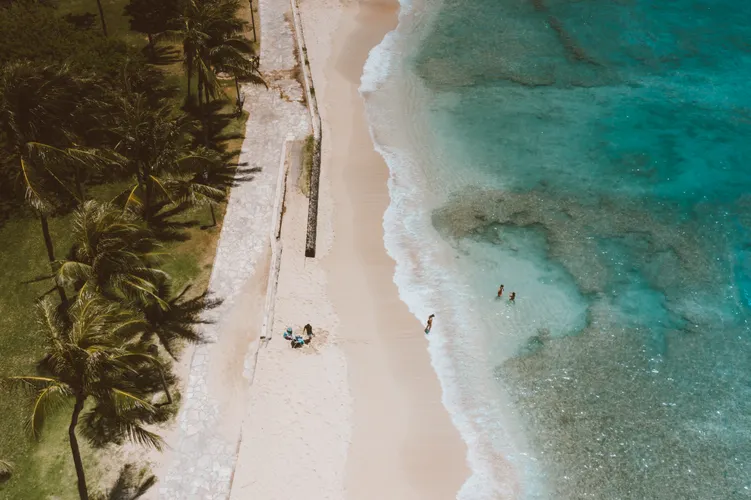
Photo by Jake Houglum on Unsplash
04
Summer: June, July, August
Summer is Hawaii's driest, sunniest, and warmest season, and, thanks to school vacations, one of its two busiest.
Temperatures peak now, with coastal highs around 84 to 85°F and more humidity, though the constant trade winds keep it comfortable and it rarely tops 90°F. This is the driest time of year across the islands, so you will get the most reliable sunshine, and the north shores go calm and glassy, turning Oahu's winter surf breaks into summer's best snorkeling. It is prime time for the water.
The trade offs are crowds, prices, and heat, families travel in summer, so June through August (especially July) sees peak demand and rates alongside the holidays. It can also feel sticky on calm, trade less days, and the leeward sides get hot. Still, for guaranteed sun and calm seas, ideal for snorkeling and beach days, summer delivers. Just book early and hydrate.
By month, June is gorgeous, reliably sunny and warm, with the calm seas arriving and crowds building but not yet at their peak (early June, before school's fully out, can be a sweet spot). July is the hottest, sunniest, and busiest, with peak prices around Fourth of July. Expect beautiful weather and plenty of company. August stays hot and dry, with crowds easing slightly toward month's end as the school year resumes in some places. All summer, the leeward afternoons can get genuinely warm, so plan water time for mornings and seek shade or trade wind cooled spots midday. It is also worth booking accommodations with air conditioning or good cross breezes for summer trips, since not every Hawaii rental has AC.
05
Fall: September, October, November
Here is the one strong opinion in this guide, fall, especially September and October, is the best overall time to visit Hawaii, and most people do not realize it.
Early fall keeps summer's warm, dry, calm weather (highs in the low to mid 80s, reliably sunny, gentle seas) but sheds the crowds, once school resumes, September and October are among the quietest, cheapest months of the year, with great weather and the islands at their most relaxed. It is the value sweet spot. November starts the transition back toward winter, rain picks up later in the month and the north shore surf begins to build, but early November is still lovely, and whale season starts up at its end.
By month, September may be the best kept secret in Hawaii travel, summer's warm, dry, calm weather continues, but the families have gone home, so it is quiet and noticeably cheaper. October is much the same, warm, sunny, gentle seas, low crowds, good deals, with only the slimmest uptick in rain late in the month. November is the turn, early November still feels like fall's sweet spot, but rain increases, the north shore surf rebuilds, whale season begins at month's end, and Thanksgiving brings a late crowd spike.
If your schedule is flexible, target mid September through October for the rare combination of summer quality weather and off season prices and quiet. It is why fall is our pick. For help turning all this into a decision, see our companion guide to the best time to visit Hawaii, which weighs weather against crowds and cost.
06
Rain and microclimates: why it varies
Here is the thing that confuses first time visitors most, it can be raining hard where you are standing and bone dry a 20-minute drive away. Hawaii's microclimates are real, and understanding them changes how you plan.
The driver is geography. Moist trade winds blow in from the northeast and dump their rain on the windward (north and east) sides of each island's mountains, leaving the leeward (south and west) sides dry and sunny. That is why the green, waterfall rich areas (Hana, Hilo, Kauai's north shore) are wet, while the resort coasts (Waikiki, Kaanapali, Wailea, Kona, Poipu) were built where it is reliably sunny. Elevation matters too, mountain summits are far cooler and wetter (Haleakala and Mauna Kea even get occasional snow).
The practical upshot is the single most useful Hawaii weather hack, if it is raining, just move. Drive to the leeward side or a different coast and you will often find sunshine. It also means you should pick your base for the weather you want, sunny resort coasts for beach time, and accept that the gorgeous green places are green because they are wet. Do not let a rainy forecast for "the island" scare you. It is almost never raining everywhere at once.
The extremes make the point. Mount Waialeale (Waiʻaleʻale) on Kauai is one of the wettest spots on Earth (450+ inches of rain a year), while leeward spots like Waikoloa on the Big Island are near desert, getting under 10 inches, on the same island chain. This is also why island wide weather apps are nearly useless for Hawaii, a forecast showing "rain" usually means a windward shower, not a washout of your sunny beach. Check the forecast for your specific coast or town, not the island as a whole, and you will get a far more accurate picture, and far fewer needless worries.
07
Ocean conditions and surf by season
For many visitors the ocean matters more than the air temperature, and the sea has a clear seasonal rhythm worth understanding for both fun and safety.
In winter (roughly November, March), large north swells pound the north- and west facing shores, spectacular for watching expert surfers on Oahu's North Shore, but genuinely dangerous for swimming and snorkeling there. In those months, head to south shores for calmer water. In summer (roughly May, September), the pattern flips, the north shores go calm and become prime snorkeling, while south shores can see modest summer swells. Year round, the leeward/south coasts are the safest bet for calm water, which is exactly why the big resorts cluster there.

Photo by Luke McKeown on Unsplash
It is worth planning your water activities around this rhythm. If snorkeling or calm swimming is a priority and you are visiting in winter, base on or day trip to a south or leeward shore (Waikiki, Wailea, Poipu, Kona), where the water stays gentle while the north shores roar. If you are visiting in summer, the whole island opens up, including those famous North Shore reefs. And whatever the season, the ocean temperature is always swimmable (74 to 80°F), so you never need a wetsuit for a casual snorkel, the question is calmness and safety, not cold.
Whatever the season, always respect the ocean, check daily surf reports and warning flags, never turn your back on the waves, and when in doubt, do not go out. Conditions vary by island and coast day to day, so local knowledge and posted signs beat any general forecast.
08
Hurricanes, vog, and extreme weather
Hawaii's weather is famously benign, but a few seasonal phenomena are worth knowing about, none of which should deter a trip.
Hurricane season runs June through November, overlapping summer and fall. The good news, direct hits are rare, since most storms weaken or veer away before reaching the islands, but they do occasionally bring heavy rain and surf, so it is worth keeping an eye on forecasts in late summer and fall and having flexible plans. Flash flooding can also follow heavy rain, especially in valleys and on hiking trails, so heed warnings.
The other one is vog, volcanic smog from Kilauea on the Big Island, which can occasionally haze the air (mostly on the Big Island, sometimes drifting to other islands depending on winds). It is usually mild and intermittent, but people with respiratory sensitivities should be aware. Beyond these, Hawaii simply does not get the extreme cold, heat, or storms most places do, its weather is about as gentle as it comes.
A bit of reassurance on timing, while hurricane season technically spans half the year, the islands' track record is remarkably calm, a genuinely disruptive storm is a rare, every few years event, not an annual worry, and modern forecasting gives days of warning. Travel insurance is a sensible hedge if you are booking an expensive late summer or fall trip, but you should not avoid those months out of hurricane fear. The odds overwhelmingly favor beautiful weather. The same goes for the rest, pack a rain layer, keep an eye on local forecasts, and Hawaii's weather will almost certainly cooperate.
09
What to pack and when to go
Because Hawaii's weather is so mild and consistent, packing is easy year round, with a couple of seasonal tweaks.
The all season basics, light, breathable clothing, swimwear, sandals, sun protection (hat, reef safe sunscreen, sunglasses), and one light layer for cool evenings, trade winds, and air conditioning. Add a packable rain jacket or umbrella if you are visiting in winter or spending time on the wet windward side, and real warm layers (fleece, hat) if you will go up Haleakala or Mauna Kea, where it is genuinely cold. Our full Hawaii packing list and what to wear guide cover it in detail.
One thing you can largely leave home, heavy or cold weather clothing, formal wear, and bulky jackets. Hawaii's mildness means a light, versatile wardrobe covers nearly everything, which keeps your bag small. The only real exceptions are those high altitude summits and, if you are a winter or windward side visitor, decent rain protection. A compact travel umbrella weighs nothing and saves a soaking on the green side of the island.
As for when to go, since the weather is good year round, choose your month by crowds, prices, and what you want to do, whales and surf in winter, calm snorkeling in summer, value and quiet in spring and fall. For the full decision (cheapest months, fewest crowds, best weather balance), our best time to visit Hawaii guide is the companion to this one, and our island hopping guide helps if you are combining islands. Whenever you land, you are nearly guaranteed warm, beautiful days, that is the magic of Hawaii's weather.
FAQ
What is the best weather month to visit Hawaii?
For weather, the late dry season and shoulder months are ideal, May, September, and October offer warm, dry, sunny days with calmer seas and fewer crowds than peak summer or the winter holidays. That said, Hawaii's weather is good every month, so crowds and prices usually matter more than weather when choosing.
What is the rainy season in Hawaii?
Hawaii's wetter season runs roughly November through March, with the heaviest rain from December to February. Even then, rain is usually brief and localized, passing showers rather than all day downpours, and the leeward (south and west) coasts stay relatively dry. The drier season is May through October.
What is the weather like in Hawaii in October?
October is one of the best months, warm and dry, with highs in the low to mid 80s, generally calm seas, and reliably sunny days, especially early in the month. It is also one of the quietest, most affordable times to visit, since it falls after summer crowds and before the holidays, an excellent all round time to go.
What is the weather like in Hawaii in November?
November is a transition month. Early November keeps fall's warm, mostly dry, pleasant weather, while later in the month rain becomes more frequent and the north shore surf and whale season begin. Highs stay around 80°F. It is still a good time to visit, especially early on, and crowds are low until the late month holiday build-up.
How hot does Hawaii get?
Not very, by tropical standards. Coastal daytime highs peak around 84 to 85°F in summer and sit near 78 to 80°F in winter, and it rarely exceeds 90°F thanks to constant trade winds and the surrounding ocean. Nights are mild, seldom dropping below the upper 60s near the coast. Higher elevations are much cooler.
Is Hawaii hot in summer?
Warm, not brutal, coastal highs sit around 84 to 85°F from June through August. The constant trade winds keep it comfortable and it rarely tops 90°F, though summer brings more humidity and can feel sticky on calm, windless afternoons. Summer is also Hawaii's driest, sunniest season, so you trade a little extra heat for the most reliable beach weather of the year.
Is Hawaii nice in August?
Yes, if you want reliable sun and calm seas and do not mind crowds. August runs hot (84 to 85°F), humid, and busy, with peak summer prices alongside the winter holidays. But it is among the driest, sunniest months, and the north shores go calm and glassy, turning Oahu's winter surf breaks into summer's best snorkeling. For beach and water time, it is one of the best months to be here.
Does it rain a lot in Hawaii?
It depends entirely on where you are. The windward (north and east) sides and mountains are very wet, among the rainiest places on Earth, while the leeward (south and west) resort coasts are dry and sunny. Rain is also usually brief and passing. If it is raining where you are, driving to another coast often finds sunshine.
Is there a bad time to visit Hawaii for weather?
Not really. Hawaii is warm and pleasant year round, so there is no genuinely bad weather season. Winter (especially December, February) is the wettest and has the biggest, most dangerous north shore surf, but even then the sunny leeward coasts are lovely. Choose your timing based on crowds, prices, and activities more than weather.
Disclosure: Some links on this page are affiliate links. If you book or buy through them we may earn a small commission, at no extra cost to you. As an Amazon Associate, we earn from qualifying purchases.