Hawaii Outfits: What to Pack and Wear for Every Island Day
16 min readYndira W. Tonin
Here is the good news about what to wear in Hawaii, almost anything goes, as long as it is casual. Hawaii is one of the most relaxed places you will ever vacation, where a collared aloha shirt is "dressed up" and bare feet are normal. For most of your trip you will live in swimwear, light dresses, shorts, and sandals, and that is exactly right.
Everything here was checked and is current as of 2026.
That said, a little planning makes your Hawaii outfits work harder, the right fabrics keep you cool, a few versatile pieces cover every occasion, coordinated looks make your beach photos sing, and knowing what not to bring saves you a suitcase full of clothes you will never wear.
This guide covers Hawaii outfit ideas for every occasion, beach, dinner, luau, and adventure, plus looks for women, men, and couples, the all important what not to wear list, and how to pack light while still looking great in every photo.
Table of contents
01
Hawaii's dress code: casual is the rule
The single most useful thing to know about dressing for Hawaii is that the dress code is wonderfully, almost radically, casual. "Island casual" is the standard nearly everywhere.
What to wear in Hawaii, by occasion
Beach & everydayOur pick
- Best for
- Swimwear, a coverup or sundress, shorts and tees, and sandals ('slippers') — this is 90% of a Hawaii trip
- The catch
- The sun is fierce; pack a rash guard or sun shirt and a hat
Dinner out
- Best for
- 'Aloha attire' — a collared aloha shirt or a nice sundress; resort-casual is as dressy as Hawaii gets
- The catch
- Even top restaurants don't need a jacket or heels
A luau
- Best for
- Island-casual and colorful — an aloha shirt or a flowy dress; festive, not formal
- The catch
- Skip costumes and 'sexy hula' getups; no heels on grass or sand
Hiking & adventure
- Best for
- Moisture-wicking athletic wear, closed-toe shoes, and a light rain layer for the trails
- The catch
- Trails are muddy and wet — sandals won't cut it
What that means in practice, comfortable, breathable, often colorful clothing, with no need for formal wear in almost any situation. The key is fabric, Hawaii is warm and humid, so light, natural materials like cotton, linen, and rayon keep you far more comfortable than heavy synthetics. Loose, flowy cuts beat tight ones in the heat.
The one genuinely dressy concept you will meet is "aloha attire" (or "resort casual"), which is what the nicest restaurants and events call for, and it is still relaxed, a pressed aloha shirt with chinos for men, a sundress or nice top for women. That is the ceiling. Below it, the whole spectrum from swimwear to shorts and a tee carries you through the day.
There is a reason the islands dress this way, and it is worth understanding because it shapes everything. Hawaii's climate is warm and humid year round, hovering in the 75 to 85°F range, so heavy or fussy clothing is genuinely uncomfortable, the casual norm is practical, not just relaxed. It is also cultural, the aloha spirit values ease, warmth, and being unpretentious over status displays, and that extends to how people dress. Even business and church wear in Hawaii often means an aloha shirt. So when you dress casually here, you are not being underdressed, you are dressing correctly. Once you internalize "casual is correct," packing for Hawaii gets a lot easier, and lighter, as our Hawaii packing list covers in checklist form.
02
Beach and everyday outfits
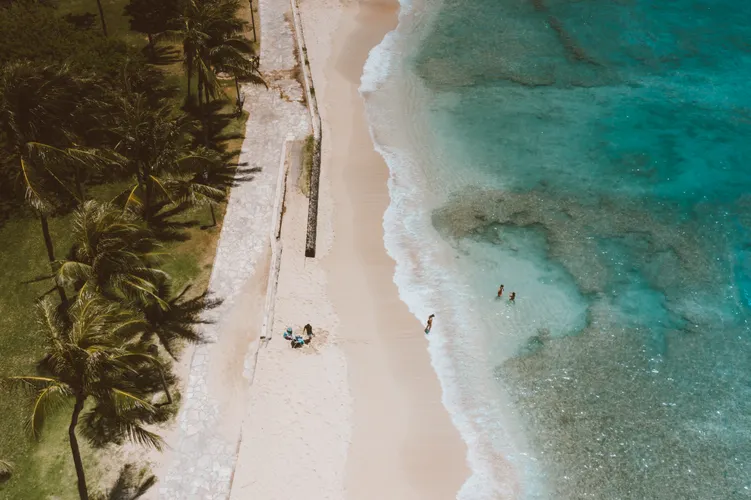
You will spend most of your Hawaii trip at or near the beach, so this is the outfit category that matters most, and it is the easiest.
The everyday Hawaii uniform, swimwear as your base layer, a coverup, sundress, or shorts and tee over it, and sandals (locals call flip flops "slippers" or "rubbah slippahs"). Throw a hat, sunglasses, and a small bag in, and you are set for a beach day, a casual lunch, shopping, or wandering a town. Quick drying, easy pieces are the goal, since you will move between sand, water, and a café all day.

Photo by Nikola Jovanovic on Unsplash
Two non negotiables, though, sun protection and a light layer. The Hawaiian sun is intense, so a rash guard or UV sun shirt, a wide brimmed hat, and reef safe sunscreen save you from a miserable burn, far more important than any fashion choice. And bring one light layer (a linen overshirt or a light cardigan). Mornings, breezy evenings, air conditioned restaurants, and higher elevations can all feel cool against sun warmed skin.
A few small choices make the everyday wardrobe even better. Bring two swimsuits so you always have a dry one, there is nothing worse than pulling on a cold, damp suit. Choose a coverup that doubles as a casual dress or shirt so you can go straight from beach to lunch without changing. And favor quick dry, wrinkle resistant fabrics in your shorts and tops, since you will be in and out of the water and living out of a bag. Think of it as a small, hard working capsule where every piece pairs with every other, that is the whole secret to packing light for a beach heavy trip.
03
What to wear to a nice dinner
Here is the one strong opinion in this guide, and it will lighten your suitcase, you do not need formal clothes in Hawaii, even for a fancy dinner. Overpacking dressy outfits is the single most common Hawaii packing mistake.
Even at the islands' best restaurants, "aloha attire" is the dress code, meaning a collared aloha shirt with chinos or nice shorts for men, and a sundress, nice top and skirt, or jumpsuit for women. You will look perfectly appropriate at almost any Hawaii dinner table in exactly that. Suits, ties, cocktail dresses, and stiletto heels are genuinely unnecessary, and you will feel overdressed if you bring them.
If you want one slightly nicer outfit for a special dinner, a proposal, or an anniversary, pack one versatile piece, a linen shirt, a dress that rolls without wrinkling, and you have covered every upscale occasion your trip could throw at you. Leave the rest of the formal wardrobe home. The dress code here simply does not ask for it.
The rare exceptions are worth naming so you are not caught out, a formal wedding you are attending (follow the couple's stated dress code), or a very small number of high end resort restaurants that request "no beachwear" or collared shirts, which your one aloha attire outfit already satisfies. Beyond those, you genuinely will not find a velvet rope turning you away for being too casual. If anything, the mistake runs the other way, people who pack heels and blazers end up lugging them around unworn for two weeks. When in doubt, a nice sundress or a crisp aloha shirt is always enough.
04
What to wear to a luau
A luau is the one event most visitors specifically wonder about, and the answer is festive but still casual. There is no need for a costume.
The vibe is "island casual and colorful." For women, a flowy sundress, a maxi dress, or a muumuu (the traditional loose Hawaiian dress) is perfect. For men, a classic aloha shirt with shorts or linen pants. Tropical prints and bright solid colors fit right in. Since many luau take place on grass or sand, choose sandals or flats over heels, which sink and wobble. Bring a light wrap or layer, as luau run into the cooler evening.
What to avoid at a luau, anything overly formal (it is a party, not a gala) and, importantly, costumes or items that mock or appropriate Hawaiian culture, coconut bras, grass skirt getups, and "sexy hula" outfits read as disrespectful, not fun. Dress colorfully and comfortably, with genuine aloha, and you will fit the occasion perfectly.
A couple of practical luau specific tips, many luau drape you with a fresh flower or kukui nut lei on arrival, so a simple top that shows it off beats a busy print that fights it. Bring a light wrap or shawl, the show runs after dark and oceanfront venues get breezy. And since you will likely be seated at long tables and walking on grass or sand, comfortable flat footwear and clothes you can relax and eat in (this is a feast) matter more than anything fashion forward. Comfortable, colorful, and respectful is the whole formula.
05
Outfits for hiking and adventure
Hawaii is as much about waterfalls, craters, and trails as it is about beaches, and those call for a different, more practical outfit.
For hiking and active days, swap the sandals and sundress for moisture wicking athletic wear (shorts or leggings and a breathable top) and closed toe shoes with grip, trail runners or hiking shoes. Many Hawaii trails are muddy, slippery, and wet, especially in the green interiors and after rain, so leave the nice sneakers behind and bring shoes you do not mind trashing. A light rain jacket packs down small and saves a hike when a passing shower rolls through.
Round it out with the adventure essentials, a hat, sunscreen, a reusable water bottle, and a small daypack. If your plans include ziplining, waterfall hikes, or a Haleakala sunrise (which is genuinely cold at the summit), check the specific conditions, Hawaii's microclimates mean a single day can need both shorts and a fleece. Dressing in light, packable layers is the way to handle it.
Two activity specific notes worth planning for. For waterfall and stream hikes, consider quick dry shorts and water shoes or sandals with a heel strap, since you may be wading. Cotton stays soggy, so synthetics win here. And for high altitude trips, Haleakala on Maui or Mauna Kea on the Big Island, pack real warm layers (a fleece, a beanie, even gloves), because summit temperatures can hover near freezing before dawn even while the beach below is balmy. It surprises first timers every time, yes, you can need a winter hat and flip flops on the same Hawaiian day.

Photo by Minh Pham on Unsplash
06
Hawaii outfits for women
For women, Hawaii is a chance to lean into easy, breezy, photogenic pieces, comfort and a little color go a long way.
The wardrobe workhorses, sundresses and maxi dresses (the single most versatile Hawaii item, beach to dinner in one piece), rompers and jumpsuits, flowy skirts and light tops, and of course swimwear with a coverup or sarong. Stick to fabrics that breathe and do not wrinkle, and you can pack a week into a carry on. A few dresses in solid colors or tasteful prints will photograph beautifully against the blue water and green hills.
Accessories do the rest, sandals and a pair of flats, a wide brimmed hat, sunglasses, a crossbody or straw bag, and simple jewelry (leave the fine pieces home, sand, sunscreen, and salt water are not kind to them). The goal is a small, mix and match capsule where everything goes with everything, so you are never fussing over outfits when you could be at the beach.
A simple capsule that covers a week, two or three dresses, a couple of tops, a pair of shorts, one nicer outfit for dinner, two swimsuits, a coverup, and a light layer, all in a coordinating palette so any top works with any bottom. That genuinely fits in a carry on and handles beach, town, dinner, and a hike. If you want to look polished in photos without overpacking, choose pieces in flattering solid colors over loud prints, and add interest with a hat, a lei, or a pop of color accessory rather than a whole extra outfit.
07
Hawaii outfits for men
For men, Hawaii dressing is refreshingly simple, and the aloha shirt does most of the work.
The core kit, a few aloha shirts (the genuine article from a Hawaii brand looks far better than a costume y one), shorts (chino or swim), a couple of breathable tees or polos, and one pair of linen pants or nice chinos for dinners. That, plus swimwear, covers essentially every situation a Hawaii trip presents, from a beach morning to a nice dinner out. Linen and cotton blend fabrics keep you cool and look put together even rumpled.
For footwear, sandals or "slippers" for daily wear, plus closed toe shoes if you will hike. Add a hat, sunglasses, and sunscreen, and a man is fully outfitted for Hawaii in a small bag. The aloha shirt is the secret weapon, throw one on over shorts for the beach bar, or with linen pants for a sunset dinner, and you are appropriately dressed either way.
A tip on the aloha shirt itself, the reverse print style (where the pattern is muted because the fabric is sewn inside out) reads as the classier, more local option, while bright, busy prints lean touristy, either is fine, but the muted version is the one you will keep wearing at home. Quality matters more than quantity, two or three good aloha shirts in cotton or rayon will serve you better all trip than a suitcase of tees. And if you forget to pack one, no problem, buying a genuine, locally made aloha shirt is one of the best souvenirs you can bring home anyway.
08
Couples and photo outfits
If you are traveling as a couple, especially for a honeymoon, anniversary, proposal, or a photo shoot, coordinating your outfits is the secret to photos you will actually frame.
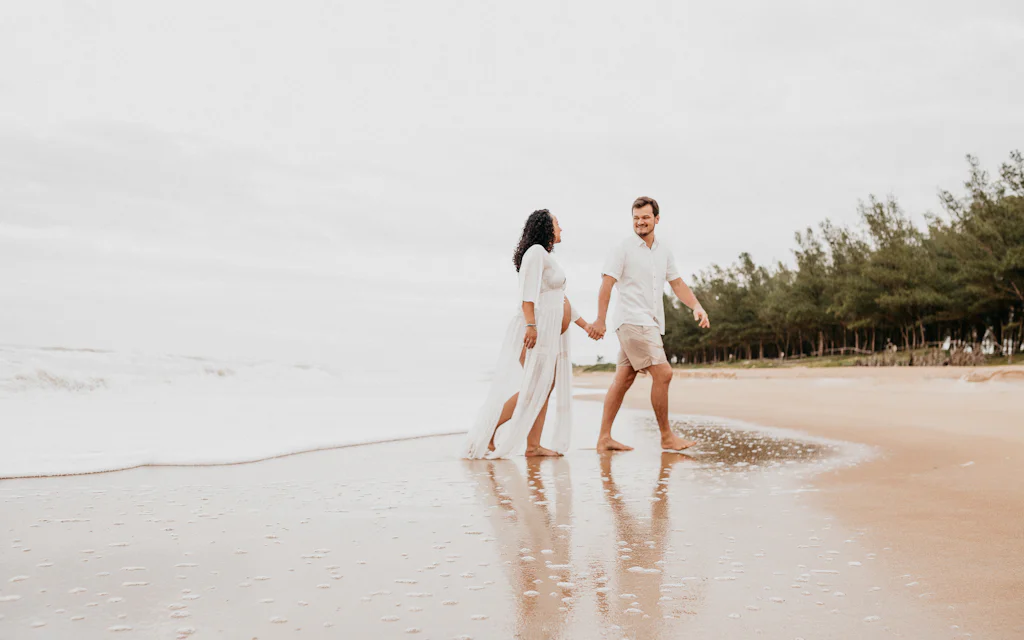
The trick is to coordinate, not match. Matchy matchy identical outfits look dated. Instead, pick a shared color palette (think soft neutrals, whites, and blues, or warm earth tones) and let each person wear their own version of it. Solid colors and simple patterns photograph far better than busy prints, which can clash and date quickly. Flowing fabrics, a maxi dress, a linen shirt, move beautifully in the island breeze and the golden hour light.
This is squarely our world, we style sunset beach picnics (from $349 for two) and work with couples on proposals and elopements, and the outfits make a real difference in the photos. Our advice, dress in coordinated solids, keep it comfortable enough to actually relax in, and time it for the soft light of sunrise or sunset. For more romantic trip ideas, our guide to Oahu for couples has you covered.
A few more photo outfit pointers we have learned setting up shoots, flowing fabrics beat stiff ones, a maxi dress or untucked linen shirt catches the breeze and looks alive in motion, while rigid clothing photographs flat. Avoid tiny, high contrast patterns and loud logos, which can shimmer oddly on camera and date a photo instantly. Think about your backdrop, too, crisp whites and warm neutrals pop against blue water and golden sand, while bright white can blow out in harsh midday sun (another reason to shoot at golden hour). And dress for the terrain, if you are walking out onto rocks or sand for the shot, skip the heels. Get the palette and the light right, and the islands do the rest.
09
What not to wear
A short list of what to leave at home saves suitcase space and a few rookie mistakes.
The things to skip,
- Formal wear. Suits, ties, cocktail dresses, and stiletto heels are unnecessary. Aloha attire is the ceiling.
- Brand new white sneakers. Red volcanic dirt and mud will ruin them on day one, bring shoes you do not mind getting dirty.
- Heavy, dark, synthetic fabrics. They trap heat and show sweat. Choose light, breathable, lighter colored pieces.
- Cultural costumes. Coconut bras, grass skirts, and "tropical" costume getups are best avoided as disrespectful.
- Too much, full stop. You will wear a fraction of what you think. Pack a small mix and match capsule and leave room for souvenirs.
One more local custom worth knowing, shoes come off indoors. It is customary to remove your footwear before entering a home (and many rentals), so slip on sandals are practical, and nobody minds bare feet or the state of your socks. You will often see a pile of slippers at the door, add yours to it.
It is also worth a gentle word on respect, since clothing can send unintended signals. Beyond skipping the costume y "tropical" getups, dress modestly when you step away from the beach and into towns, shops, churches, and especially cultural or sacred sites, a coverup over swimwear is the norm once you leave the sand, and many locals find roaming town in just a bikini or board shorts a bit off. None of this requires effort. It is simply reading the room. Dress for the islands' easy rhythm, light, casual, comfortable, and considerate, and you will fit right in everywhere you go.
FAQ
What should I wear in Hawaii?
Casual, light, breathable clothing covers nearly everything, swimwear, sundresses, shorts, tees, and sandals for daily wear, with one slightly nicer "aloha attire" outfit (a collared aloha shirt or a sundress) for nice dinners. Add sun protection, a hat, and one light layer for cool evenings, and you are set.
Is there a dress code in Hawaii?
Hawaii is extremely casual, so there is rarely a strict dress code. The dressiest standard you will encounter is "aloha attire" (or "resort casual") at upscale restaurants and events, a collared aloha shirt or a sundress. You will not need suits, ties, or formal gowns anywhere on a typical trip.
What do you wear to a luau?
Island casual and colorful, a flowy sundress, maxi dress, or muumuu for women, and an aloha shirt with shorts or linen pants for men. Wear sandals or flats rather than heels (luau are often on grass or sand), bring a light layer for the evening, and avoid formal wear or culturally insensitive costumes.
What fabrics are best for Hawaii's weather?
Light, breathable natural fabrics, cotton, linen, and rayon, are ideal for Hawaii's warm, humid climate, as they keep you cool and dry faster than heavy synthetics. Loose, flowy cuts in lighter colors also beat tight, dark, synthetic clothing, which traps heat and shows sweat.
What should couples wear for Hawaii photos?
Coordinate rather than match, choose a shared color palette (soft neutrals, whites and blues, or earth tones) and let each person wear their own version. Solid colors and simple patterns photograph best, and flowing fabrics move beautifully in the breeze. Shoot at sunrise or sunset for the most flattering light.
What should you NOT wear in Hawaii?
Skip formal wear (suits, ties, heels), brand new white sneakers (volcanic dirt ruins them), heavy synthetic fabrics that trap heat, and culturally insensitive costumes like coconut bras or grass skirts. Most of all, do not overpack, you will wear far less than you expect, so a light, versatile capsule is best.
Do you need to dress up at all in Hawaii?
Rarely. For the occasional upscale dinner, proposal, or anniversary, one "aloha attire" outfit, a linen or aloha shirt, or a nice sundress, is plenty. Everything else on a Hawaii trip is genuinely casual, so a single dressier piece covers any special occasion without weighing down your bag.
What should kids wear in Hawaii?
UV rash guards and water shoes do the heavy lifting. Kids burn fast, so pack long sleeve swim shirts and reef safe sunscreen instead of relying on one bottle of SPF. Water shoes save little feet on lava and reef, a sun hat helps, and one light layer covers cold AC and the drive up Haleakala. Otherwise it is the same as adults, casual and minimal.
Disclosure: Some links on this page are affiliate links. If you book or buy through them we may earn a small commission, at no extra cost to you. As an Amazon Associate, we earn from qualifying purchases.