Honolua Bay Maui: The Honest 2026 Snorkel & Surf Guide
13 min readYndira W. Tonin
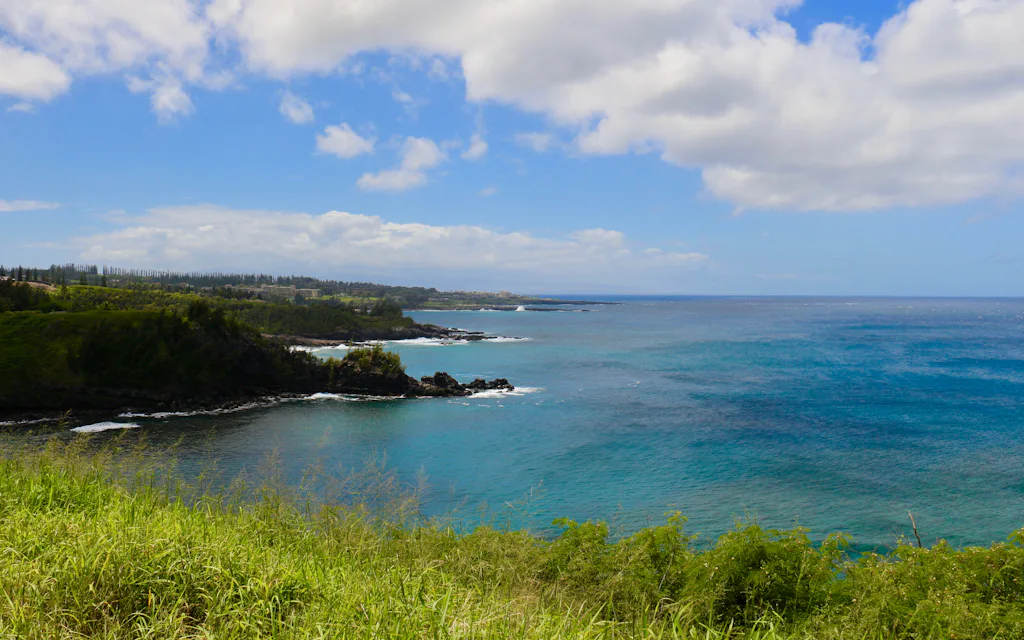
Honolua Bay Maui snorkelers rank at the top is a marine life conservation reserve on the island's northwest tip - the best shore snorkeling on Maui in summer, and a world famous surf break in winter. It's free, it's protected, and it's reached by a five minute walk through a jungle canopy off Highway 30, about 10 miles north of Lahaina (Lāhainā).
The catch is that it's two completely different bays depending on the season - a glassy aquarium from May to September, and a thundering wave machine the rest of the year - so timing is everything.
This is the honest guide to Honolua Bay - what makes it special, how to snorkel it, where to park, the winter surf, and the safety truth about a bay with no beach - all current as of 2026. It's for confident swimmers chasing the best reef on West Maui, not for first timers or anyone hoping to wade in off the sand. (We run beach picnics over on Oahu, not Maui, so there's nothing to sell you here - just the notes.)
Cover photo: Andrew Bain on Unsplash.
Table of Contents
- What makes Honolua Bay special
- Snorkeling Honolua Bay
- Getting to Honolua Bay: parking and the trail
- Honolua Bay surf and the seasons
- Safety and the reserve rules
- Make a West Maui day of it
- FAQ: Honolua Bay
01
What makes Honolua Bay special
Honolua Bay is the Honolua-Mokuleia (Mokuleʻia) Bay Marine Life Conservation District - a protected reserve where fishing, collecting, and touching the coral are all off limits, and the reef has flourished because of it. The payoff is some of the densest, healthiest coral and fish life you can reach from shore on Maui, in a bay cradled by the steep green cliffs and valley of the West Maui mountains at the wild northwest corner of the island.
West Maui's protected reef cove
It's one of Hawaii's earliest marine reserves, declared a conservation district in 1978, and decades of leaving the place alone are exactly why the reef here outshines spots that still get fished and trampled. This is a genuine Hawaiian marine sanctuary, not just a photogenic cove - the kind of ocean ecosystem most of Hawaii lost a long time ago, and few reefs in Hawaii still look like this. Among the snorkel spots on the island, few pack this much marine life into a cove with so little development, which is exactly why snorkel tours and shore snorkelers alike trek out around the island to reach it.
The bay carries real cultural weight, too. On May 1, 1976, the voyaging canoe Hokulea (Hōkūleʻa) set out from Honolua Bay on her maiden voyage to Tahiti, navigated the old way by the stars, swells, and birds with no instruments - the trip that reawakened Hawaiian wayfinding across the Pacific and, in 2026, marks its 50th anniversary. Snorkel here and you're floating in water with a real place in modern Hawaiian history and culture, not just a pretty reef.
What it is not is a beach. There's no real sand to speak of - the shoreline is rounded boulders and lava rock, and the good coral is a decent swim out into the bay. That trade is the whole character of the area: you give up the easy wade in and the towel on the sand afternoon, and you get a protected reserve that rewards the effort with the best snorkeling on this coast. It's a working aquarium you have to earn, not a resort beach.
It sits at the start of the wild Kahekili Highway stretch, the last easy stop before the road narrows, which is why so many West Maui itineraries pin it as the snorkel then drive morning - one of those spots that anchors a whole day rather than filling an hour.
02
Snorkeling Honolua Bay
The snorkeling at Honolua Bay is the best on West Maui in summer - May through September, when the bay's north facing mouth is sheltered from the trade wind swell and the water turns calm and clear, with visibility that can reach 50 feet on a good morning. The reef hugs both sides of the bay; most snorkelers follow the right hand (north) side out, where the coral is densest and the fish thickest. There are no lifeguards here, so exploring the reef is on you - go in the calm summer months, early, when the ocean is glassiest and the morning sun lights up the reef, and the underwater experience rivals the boat only spots. Most visitors come from the nearby resorts, so an early start beats the crowd as well as the wind.
Honolua Bay marine life
Green sea turtlesCommon
honu graze the reef and surface to breathe - give them 10 feet, it's the law.
Reef fish everywhereCommon
parrotfish, goatfish, taape, unicornfish - the MLCD protection shows.
Octopus and eelsIf lucky
tucked in the coral if you slow down and look; the reef is dense and healthy.
Spinner dolphinsRare
occasionally cruise through early - watch, never chase (it's illegal).
Expect green sea turtles grazing the reef, parrotfish and goatfish working the coral, taape (taʻape), unicornfish, the occasional octopus, and - if you're lucky and early - spinner dolphins passing through. Give the honu their legally required 10 feet of space and never chase the dolphins; this is their house, and a protected one. The coral itself is the other headliner: dense, healthy, and varied in a way that the more trafficked spots can't match, which is the whole point of a reserve.
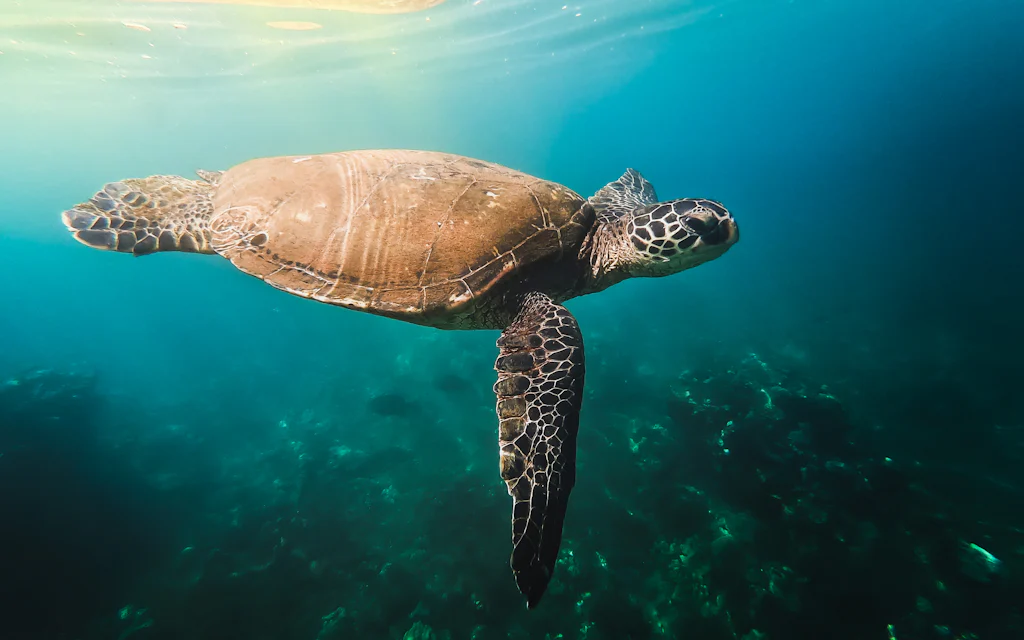
Photo: Jonathan Ikemura on Unsplash.
Here's the honest decision helper: the best coral is a long paddle out toward the point, which quietly sorts the confident swimmers from the floaters. If a few hundred yards of open water swimming over a rocky entry isn't your idea of fun, the easier, sandier Kapalua Bay next door is the better call. And if you'd rather skip the swim and the parking scramble entirely, plenty of West Maui snorkel tours reach the bay from the water when summer conditions allow - the boat does the work and you just get in.
★4.9(1,342)
West Maui Half Day Snorkel from Ka’anapali Beach
4 hours
Free cancellation
from
$189
03
Getting to Honolua Bay: parking and the trail
Honolua Bay is near mile marker 32 on the Honoapiilani (Honoapiʻilani) Highway (Hwy 30), about 10 miles north of Lahaina and a few minutes past Kapalua. There's no big lot - just a small dirt pull off on the mauka (mountain) side of the road, plus roadside shoulder parking, and it fills the way free parking near a reef this good always fills: fast, and before you're properly awake. Get there before 9 am in summer, or plan to circle.
Driving to Honolua Bay
Tap to open Google Maps with turn-by-turn directions.
From the parking area, a flat, shaded trail tunnels through a jungle canopy of guava and kukui down to the water - a short five minute hike on uneven dirt and tree roots. Wear shoes you can walk and then snorkel in; flip flops lose this fight. There are a couple of access paths that spit you out at the same rocky shore, and a porta potty or two by the lot, but no showers and no other facilities, so bring your own equipment and water. The cliffside overlooks just up the road make two quick stops to scope the conditions and, in the late afternoon, a quiet sunset spot.
A few logistics that save the morning. Punch "Honolua Bay" into Google Maps and it lands you at the right pull off; the drive up from the Kaanapali (Kāʻanapali) resorts is a short 20 minutes. If the dirt lot is full, there's legal street parking along the highway shoulder - just don't block the gate or a driveway, and don't leave anything visible in the car, because trailhead break-ins happen in this area like everywhere. Local traffic and tour vans use the road early, so first light beats both.
Parking: small free dirt lot at MM 32, fills before 9 am · Walk: ~5 min through jungle, uneven · Bring: water shoes, your own gear, reef safe sunscreen · Facilities: porta potties only.
04
Honolua Bay surf and the seasons
In winter, the snorkelers leave and the surfers show up, which is the ocean's polite way of telling you to stay out of the water. From roughly October through April, big north swells turn Honolua Bay into one of the most famous surf breaks in Hawaii - a long, fast right hand point break that can throw 10-to-20-foot faces, with January and February often the heaviest months.
When to visit Honolua Bay
Summer (May-Sept)Snorkel
calm and clear - the snorkeling window; the north-facing bay hides from the trade swell.
Winter (Oct-Apr)Surf
big north swells; dangerous to swim, but a spectacular surf break to watch from the cliff.
MorningBest
calmest water and the best light, before the wind and the crowds build.
After heavy rainSkip
the stream dumps brown, murky water into the bay - skip the water entirely.
It's an expert wave, not a learner's one, and the bay during a real swell is no place to swim or snorkel - the same energy that makes the wave makes the water lethal. The good news for everyone else: the cliff overlook above the bay is one of the best free shows on Maui in winter, a natural amphitheater where you can watch the surf from dry, safe ground.
The wave has a real place in Hawaiian surf history - it's a regular target when the island's best watermen chase a big north swell, and on the right day the lineup reads like a who's-who of Maui surfing. The community fought for years to keep the land above the bay from being developed, and that hard won protection is part of why the whole valley still feels wild. From the overlook you can watch the sets stack up far out on the ocean and peel down the point, a clean reminder that the gentle July aquarium and the January wave machine are the same body of water in two very different moods.
So the rule of the seasons is simple. Come in summer to snorkel, come in winter to watch, and don't try to force the wrong activity into the wrong season - the bay does not negotiate.
05
Safety and the reserve rules
Honolua Bay is safe in calm summer conditions for a confident swimmer, and genuinely hazardous otherwise. The honest opinion, and the one I'll plant a flag on: snorkel it in summer or stay out of the water entirely - the same north swell that makes it Maui's best winter wave makes it dangerous to swim, and the rocky entry and occasional rip reward respect.
The rules and the hazards
No fishing or takingMLCD
it's a conservation district - no fishing, collecting, or touching the coral or rocks.
Reef-safe sunscreen onlyMLCD
mineral, not chemical; bleaching agents are the last thing this reef needs.
Rocky entry, urchinsHazard
no sand - you enter over boulders past sea urchins, so wear water shoes.
Current and brown waterHazard
the bay can have rip and surge; if it looks rough or muddy, stay out.
A few things to know before you get in: the entry is over rounded boulders, often with sea urchins, so water shoes earn their place. After heavy rain the stream behind the bay dumps brown, murky water and runoff into it - if it looks like chocolate milk, skip it. And because it's a conservation district, the rules aren't suggestions: no fishing or collecting, don't touch or stand on the coral, and wear mineral, reef safe sunscreen. The reef has survived a lot; your discount sunscreen doesn't need to be the thing that finishes it.
If you're unsure about the day's conditions, ask - the local dive and snorkel shops down the coast will help you read the water, and the Maui ocean safety forecast is worth a two minute check before you go. Please keep your distance from the turtles and stay off the coral; a reef this healthy stays that way only because most people follow the rules. Honolua is known across Hawaii as much for its hazards as its beauty, and the reserve status that made the reef this rich is the same reason you can't wander in without care. A little caution keeps the day a good one; when in doubt, the ocean here always gets the last word, so let it.
It's a state marine reserve with deep cultural roots for Hawaiians, so treat the bay, the two parking areas, and the reef with aloha to ensure it stays this excellent for the next person in the water.
How does it stack up against the sheltered cove next door? Here's the quick version.
Honolua Bay vs Kapalua Bay
Honolua Bay
the wild reserve
- The best reef on West Maui, protected
- Rocky entry and a long swim to the coral
- No real beach; a jungle-trail walk in
- For confident, advanced snorkelers
- Summer only - winter belongs to surfers
Kapalua BayOur pick
the easy cove
- Sheltered, sandy, beginner-friendly
- Wade-in entry, reef close to shore
- A real beach with a paid lot and showers
- Families and first-timers
- Snorkel-able more of the year
06
Make a West Maui day of it
Honolua sits at the far northwest end of the resort coast, so it pairs naturally with the rest of West Maui. Most people snorkel it early while the water's calm, then work their way back south. The easy, sandy Kapalua Bay is minutes away for a mellower second snorkel, and the wild Olivine Pools and Nakalele Blowhole are up the road if you're continuing onto the back road drive.
A couple of travel tips to round out the trip: bring your own snorkel gear, because there are no rentals at the bay, and pack water and a snack, since the nearest store is back in Kapalua. Time the visit for the start of your day - Honolua rewards early birds with calm water and a parking spot, and that frees the afternoon for the warmer, sandier south side beaches and other snorkel destinations. For more West Maui adventures, the back road drive picks up right where the pavement ends.
Honolua is one of those Maui spots worth building a morning around - not the kind of place you want to miss on a packed itinerary. For the bigger picture and more ways to fill the days, our Maui travel guides map out the island's reefs, beaches, and activities: the best snorkeling in Maui guide ranks Honolua against the island's other reefs and the boat only spots, the best beaches in Maui roundup covers the sandy alternatives, and the where to stay in Maui guide compares the West Maui towns closest to this corner. However you build the trip, this reserve earns its spot near the top of any snorkeling list in Hawaii.
Read this next: our best snorkeling in Maui guide - where Honolua ranks against Molokini, Turtle Town, and the rest.
FAQ: Honolua Bay Maui
Is there a beach at Honolua Bay?
Not really - it's a rocky, boulder strewn shoreline, not a sandy beach. You enter the water over rounded rocks, which is why water shoes matter and why there's nowhere to spread a towel. If you want sand, the sheltered Kapalua Bay a few minutes south is the better pick.
Can beginners surf Honolua Bay?
No - the winter wave is an expert only point break. Big north swells produce a long, fast, powerful right that's no place to learn, and the bay is dangerous to even be in the water during a swell. Beginners should watch from the cliff overlook and take lessons on a gentler south or west break.
Do you need a boat to snorkel Honolua Bay?
No - you can snorkel it from shore all summer. But the best coral is a long swim out, and parking is tight, so a West Maui snorkel boat is a genuine alternative that skips both the swim and the lot. From shore, it's free; by boat, you trade money for easier access.
Are there sharks at Honolua Bay?
Sightings are rare and attacks are extremely unlikely. The real, common hazards here are the rocky entry, sea urchins, rip current on a swell, and muddy runoff after rain - all far more relevant to your day than sharks. Snorkel in clear summer water and you've handled the actual risks.
Is Honolua Bay free to visit?
Yes - both the bay and the parking are free. It's a public marine reserve with no entrance fee, though the dirt lot is small and fills early. The only real cost is getting there before the crowd and bringing your own gear, since there are no rentals or shops on site.
Disclosure: Some links on this page are affiliate links. If you book or buy through them we may earn a small commission, at no extra cost to you. As an Amazon Associate, we earn from qualifying purchases.


